Indonesia’s new Agrarian Reform Law matters because it targets one of the country’s most persistent economic distortions: the concentration and uncertainty of land ownership.
Indonesia Agrarian Reform Law and Land Ownership
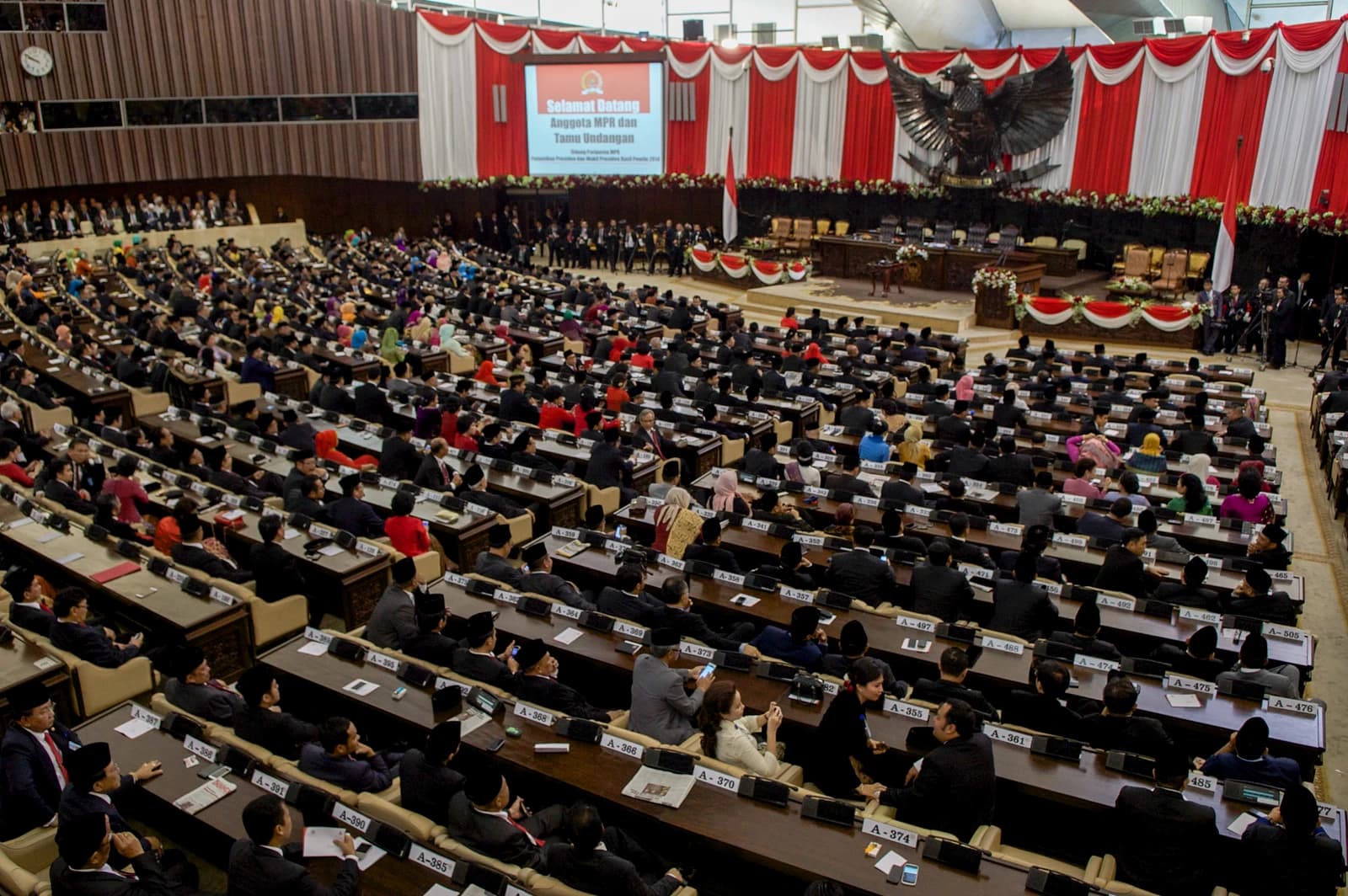
Anas Urbaningrum, the coordinator of the PPI presidium, welcomed the law after the House of Representatives approved it in plenary on Tuesday, describing it as a Pancasila-based policy that can pursue social justice without any ideological baggage. His framing is politically important, but the economic significance is larger: land reform in Indonesia has long been tied to productivity, legal certainty and the distribution of rural wealth.
The argument at the center of the debate is not whether agrarian reform is symbolic, but whether it can correct structural imbalances in how land is owned and used. Anas said the law should become a foundation for reducing inequality in land control and utilization, while also improving transparency, administrative accountability and environmental sustainability. For an economy where land is both an asset and a production factor, that combination matters for agriculture, housing, infrastructure and investment planning.
If implemented well, redistribution of land to the “tuna-lahan” or landless could support consumption in rural areas, lift farm productivity and reduce social friction over tenure. It may also give the government a more credible platform to accelerate certification and formalization, which tends to lower transaction costs and improve access to credit. In that sense, the law is not just about fairness; it is about making land a more usable economic asset.
For investors, the implications cut both ways. A clearer agrarian framework could benefit sectors that rely on secure land titles, including plantation operators, developers and infrastructure players, by reducing legal ambiguity and delays. But if the law is applied aggressively or unevenly, it could raise compliance risk for companies with large land banks and heighten scrutiny over historical concessions, compensation and environmental standards.
The bigger narrative is that Jakarta is trying to balance social equity with investment certainty. That balance will determine whether the law becomes a tool for raising rural productivity and political legitimacy, or another source of uncertainty for businesses that depend on land access. The key test now is execution: how quickly the government can translate the legislation into redistribution, administration and enforcement without undermining confidence in property rights.
| Entity | Gains | Losses |
|---|---|---|
| Landless households | ▲Better access to land | ▼Slow reform rollout |
| Small farmers | ▲Greater tenure security | ▼Weak implementation |
| Developers and agribusiness with clean titles | ▲Clearer legal framework | ▼Higher compliance scrutiny |
| Large concession holders | ▲— | ▼Greater land-rights pressure |