Indonesia is moving to fortify its electricity system with more coal stockpiling, a bigger biofuel mandate and faster grid buildout, a mix of policies that underscores how energy security is still taking priority over a full break from fossil fuels even as the country targets a sharper shift toward renewables.
Indonesia backs coal while expanding grid and biofuels
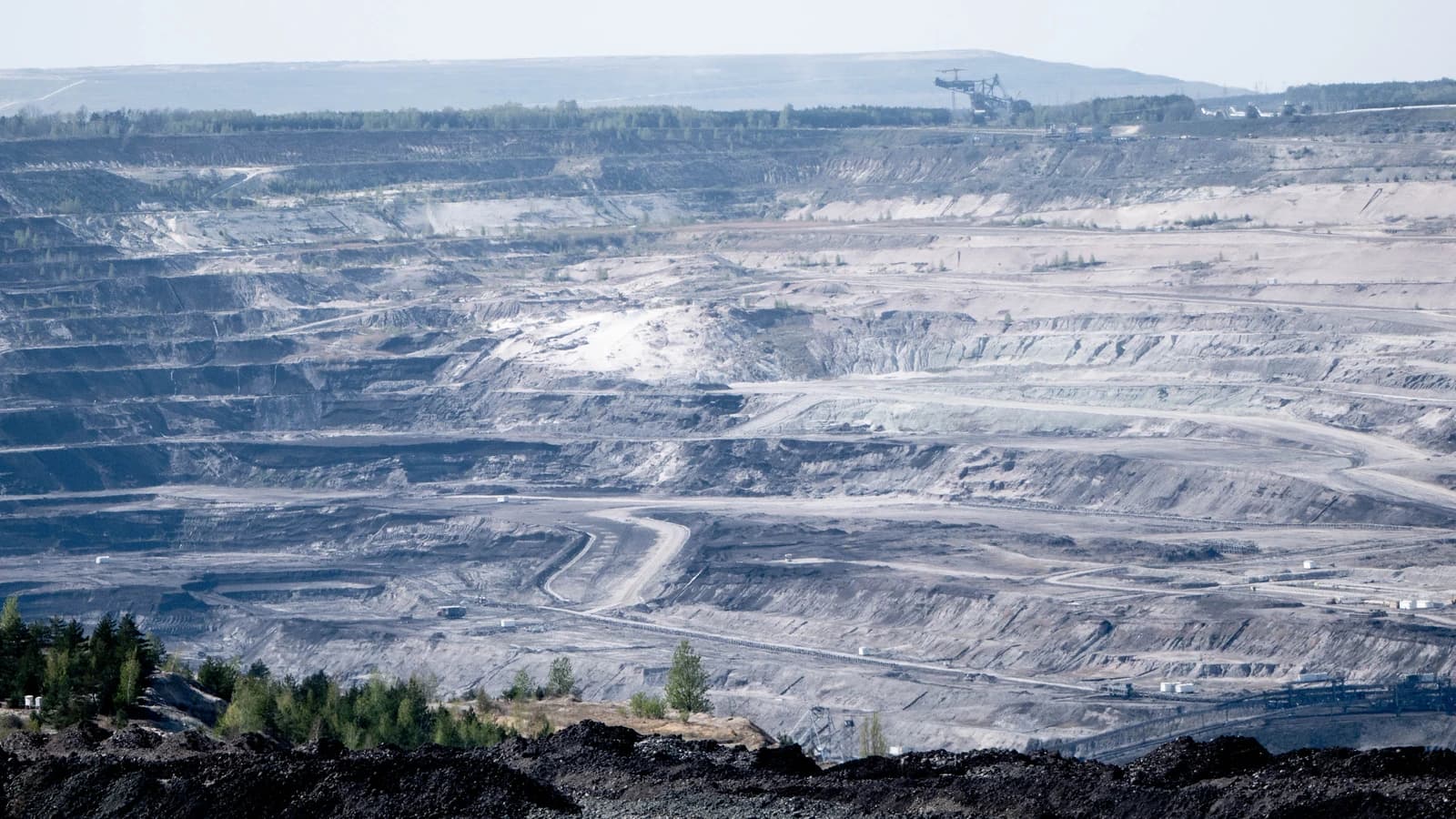
The most immediate step is a plan to prepare 212 million tons of coal to safeguard power supply, a signal that Jakarta wants to avoid shortages as electricity demand rises and transmission bottlenecks persist. For investors, that supports near-term coal demand, steadies utility fuel procurement and lowers the risk of disruption in one of Asia’s most important thermal coal markets.
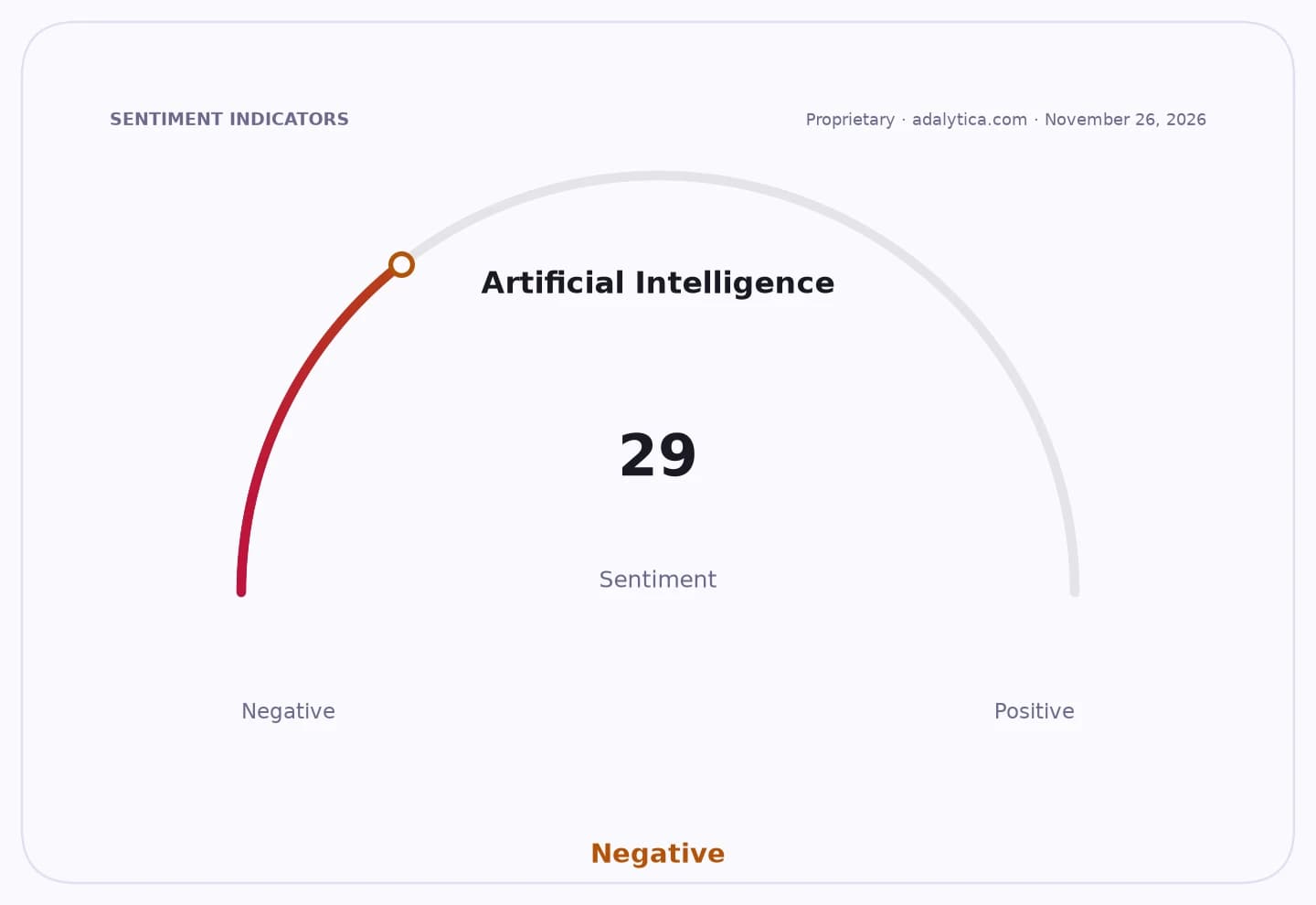
Sentiment Indicators
Coal Fear & Greed Index
At the same time, the government is pushing ahead with B50 biodiesel and working with China Southern Group to develop the network and integrate 45% renewable energy within two years. That points to a dual-track strategy: protect baseload power today while spending heavily on the infrastructure needed to absorb more solar, wind and storage later.
The policy mix matters because Indonesia sits at the crossroads of several energy markets. A stronger grid and higher renewable penetration would gradually reduce reliance on imported fuels and cut exposure to commodity swings, but the coal reserve plan shows the transition will be managed rather than abrupt. That favors coal producers and grid contractors in the near term, while keeping pressure on refiners, fuel importers and carbon-intensive generators over time.
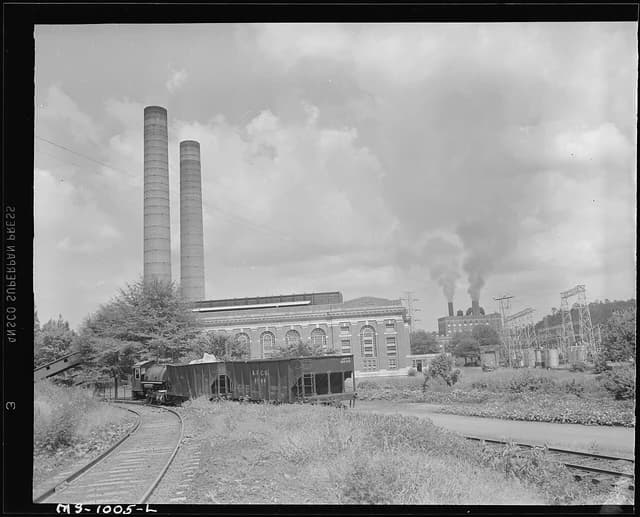
The move also fits a broader global pattern of countries modernizing grids to improve flexibility and resilience. Europe has been leaning on battery storage, self-consumption and higher renewable output to stabilize supply, and Indonesia’s push suggests emerging markets are increasingly pursuing the same playbook, albeit with heavier use of coal and biofuels as bridge fuels.
For energy investors, the key question is whether the grid expansion and renewable integration targets translate into faster execution or simply add another layer of capex and policy complexity. The next catalyst is how quickly the transmission projects advance and whether the government can align coal supply, biofuel blending and renewable deployment without raising power costs.
| Entity | Gains | Losses |
|---|---|---|
| Indonesian coal suppliers | ▲Higher near-term demand | ▼Transition risk later |
| Grid builders and contractors | ▲More transmission spending | ▼Execution delays risk |
| Renewable developers | ▲Long-term integration target | ▼Short-term coal preference |
| Fuel importers and high-emission generators | ▲— | ▼Greater policy pressure |