Plastic water tank prices in Indonesia rose again in September, a small monthly move that adds to a much larger year-on-year increase and reinforces the view that construction input costs remain sticky even as broader building inflation moderates.
Indonesia plastic water tank prices rise in September
Badan Pusat Statistik said the wholesale price index for plastic water tanks, or toren, used as a building material climbed 0.21% from August to 114.29 on a 2023 base, while jumping 14.08% from a year earlier. That makes the item a useful early signal for contractors and developers watching material costs filter through to project budgets.
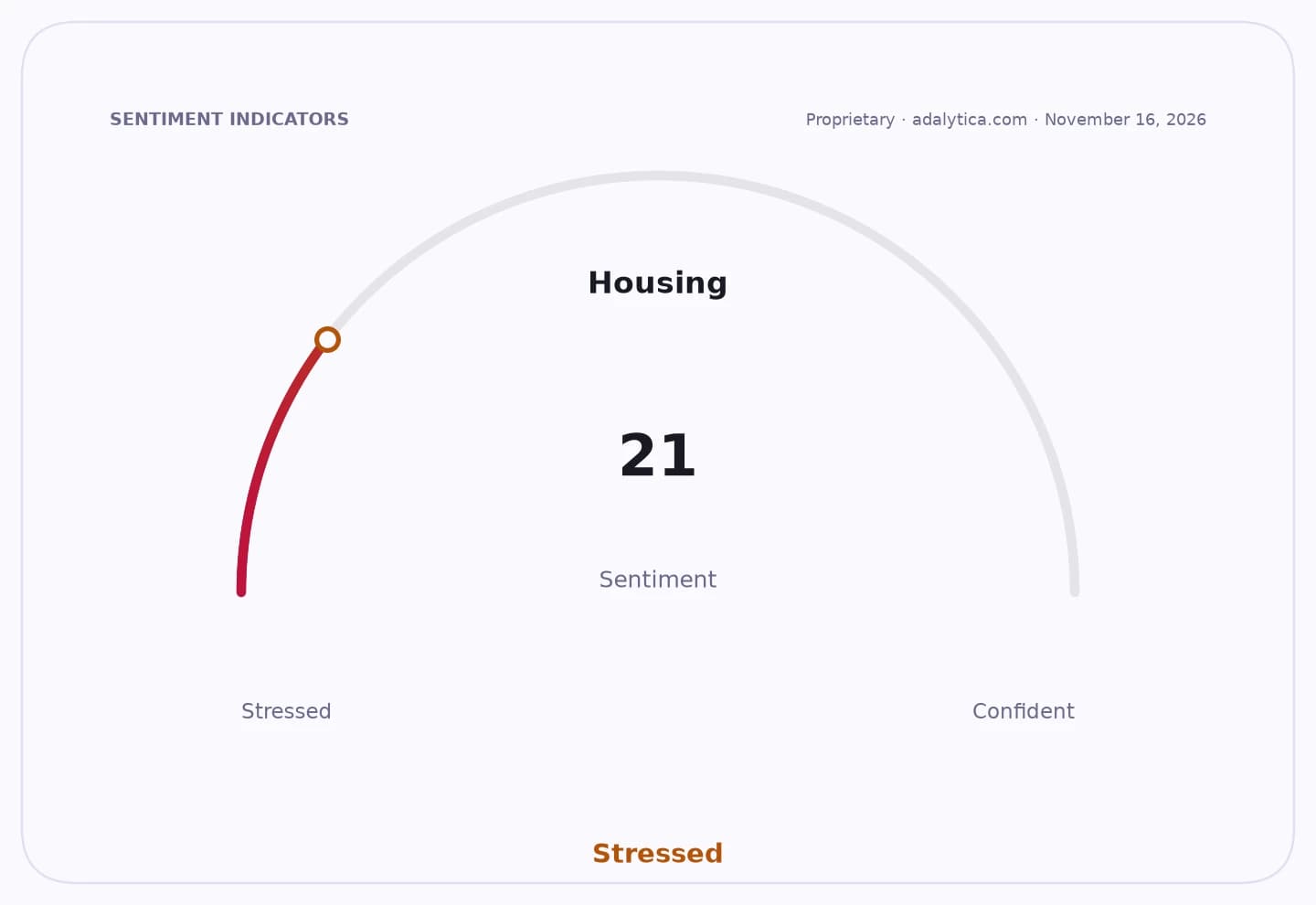
Sentiment Indicators
The increase matters because water tanks sit inside a wider basket of construction inputs that have been rising across Indonesia. BPS said the overall building wholesale price index was 111.99 in October, up 0.31% on the month and 9.59% year on year, suggesting cost pressures are broad-based rather than confined to a single product line. Residential and non-residential buildings, public works for roads and ports, and utility-related structures all posted annual gains close to or above 8%.
For investors, the message is less about the 0.21% monthly gain than the persistence of double-digit annual inflation in a commodity tied to housing and water infrastructure spending. That can squeeze margins for contractors and suppliers unable to pass through costs quickly, while supporting pricing power for manufacturers and distributors in the building materials chain. It also keeps pressure on public and private project planners in a period when infrastructure demand remains a key support for the Indonesian economy.
The toren index also points to a broader theme: household and municipal water-related spending is still carrying a premium as shortages, infrastructure upgrades and safety concerns keep demand firm. In that setting, even a modest monthly rise can matter, because it compounds an already elevated base and feeds into procurement decisions for developers, local governments and utilities.
Looking ahead, the key question is whether the sector is seeing temporary price firmness or the start of another leg higher in construction inputs. If the broader building index continues to rise at roughly the current pace, project costs could stay elevated into year-end, favoring suppliers with stronger balance sheets and pricing discipline while leaving contractors more exposed to margin compression.
| Entity | Gains | Losses |
|---|---|---|
| Material suppliers | ▲Better pricing power | ▼Buyers facing higher costs |
| Contractors | ▲— | ▼Margin pressure |
| Developers/public projects | ▲— | ▼Higher project budgets |
| Water infrastructure segment | ▲Steady demand | ▼Cost-sensitive end users |