The cost of building a new home accelerated in September, underscoring how persistent inflation in housing inputs is keeping affordability under pressure even as broader U.S. labor conditions cool.
Portugal new home construction costs rise 7.4%
Housing
Portugal’s statistics office estimated the index for new-home construction costs rose 7.4% from a year earlier, with labor costs up 7.7% and materials up 7.2%. The monthly increase also quickened to 0.8%, suggesting builders are still facing rising input bills rather than a clean disinflationary trend.
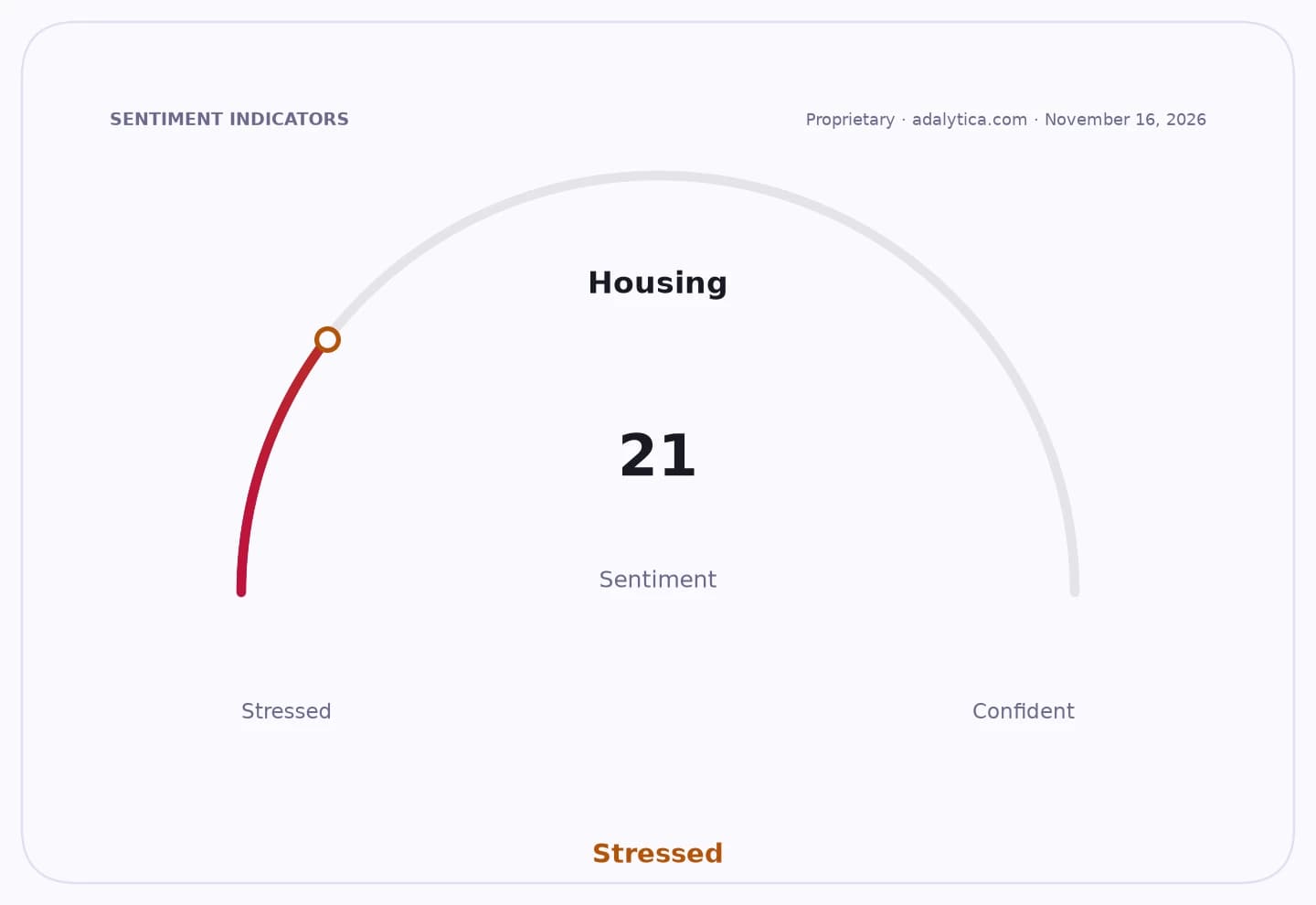
Sentiment Indicators
That matters economically because housing is one of the clearest channels through which inflation feeds into household finances. When construction costs keep rising, developers either absorb thinner margins, pass costs on to buyers, or slow new projects. All three outcomes have consequences: weaker affordability, slower housing supply growth and less room for price relief in the residential market.
Materials contributed most to the annual increase, adding 3.8 percentage points to the index versus 3.6 points from labor, reflecting their heavier weight in the basket. Diesel, copper wire, bitumen and PVC pipes were among the biggest drivers. Only limestone and granite tiles showed a decline, and that was described as small.
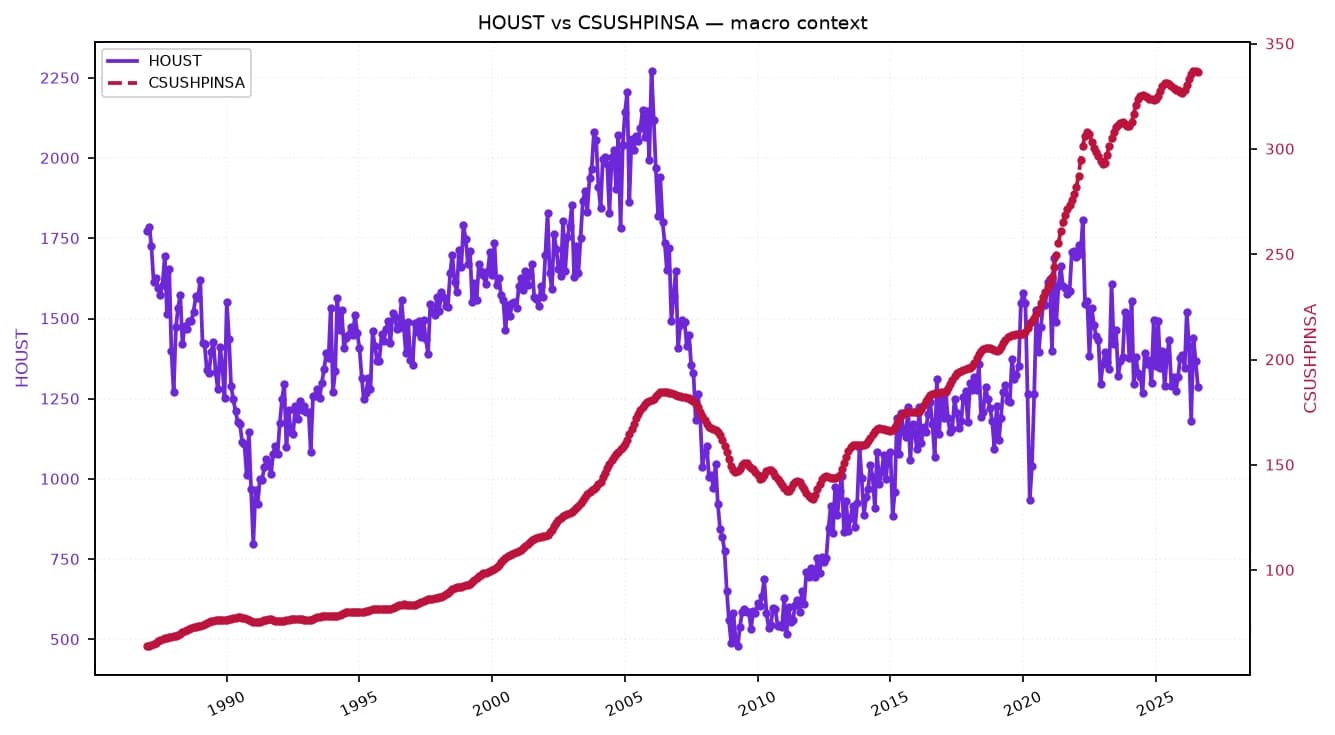
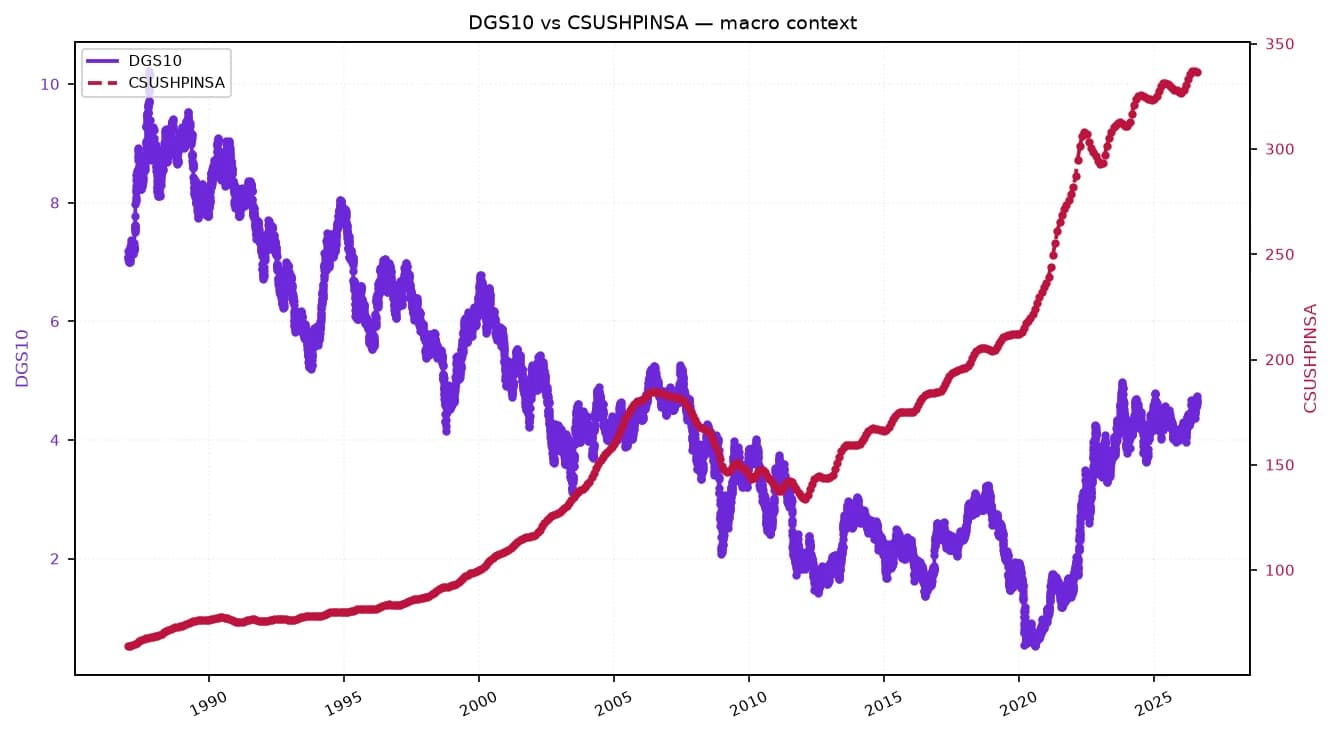
For investors, the report reinforces a difficult backdrop for the housing complex. Homebuilders and suppliers benefit from pricing power if demand holds, but that is increasingly constrained by affordability and higher financing costs. In the U.S. market, shares of homebuilders and housing-related ETFs have already been volatile as investors weigh resilient demand against squeezed buyers, and the latest cost data argues that margin support is still being offset by a tougher sales environment.
The data also complicates the case for a quick easing in housing inflation. Even if demand softens, sticky construction costs can keep new-home prices elevated, limiting how quickly the market can normalize. For policymakers, it is another reminder that shelter inflation is not just a rent story but also a supply-side one, tied to wages, commodities and the cost of building capacity.
The near-term test is whether builders can sustain starts and deliveries without further discounting. If costs stay elevated while demand weakens, the pressure will shift from buyers to builders’ margins; if demand proves more durable, the inflation burden is likely to remain embedded in new-home prices.
| Entity | Gains | Losses |
|---|---|---|
| Homebuilders | ▲Higher replacement-cost pricing | ▼Margin pressure from demand softness |
| First-time buyers | ▲None | ▼Lower affordability |
| Materials suppliers | ▲Better pricing on inputs | ▼None |
| Policymakers | ▲Clearer inflation signal | ▼Less room for housing relief |