Lower borrowing costs are helping relieve some pressure on homebuyers, but they are not enough to fix the affordability problem because house prices remain far above what many middle-income households can finance.
Vietnam home prices stay high despite lower rates
The clearest change is in credit conditions. Vietnam’s central bank said 46 of 46 commercial banks had cut listed deposit rates on terms of six months or longer by early November, pulling down average newly booked deposit rates by about 0.4 percentage point from mid-October and new lending rates by 0.2 to 0.5 percentage point. At the same time, the State Bank is pushing fresh refinancing support for social housing lenders, adding another layer of cheap funding to a market where access to finance has been a major barrier for first-time buyers.
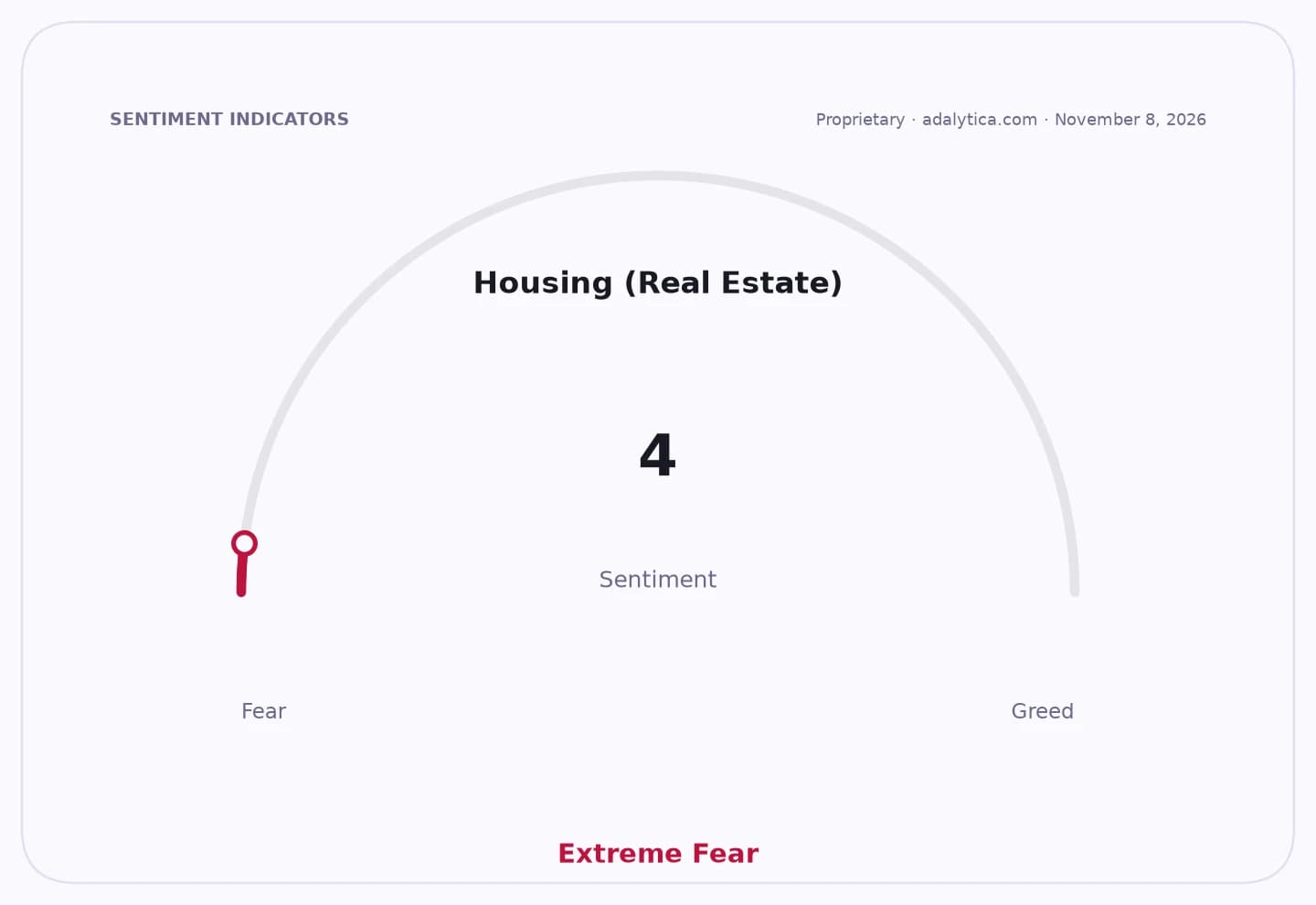
Sentiment Indicators
That matters economically because housing is one of the most interest-sensitive parts of the economy. Cheaper loans can support construction, boost transaction volumes and stabilize sentiment among buyers who had been waiting for financing conditions to improve. For banks, the shift also helps direct credit toward borrowers with real end-user demand rather than speculative demand, which should improve loan quality. But it also reflects a broader policy challenge: easier credit can support demand only if supply and prices are aligned with household incomes.
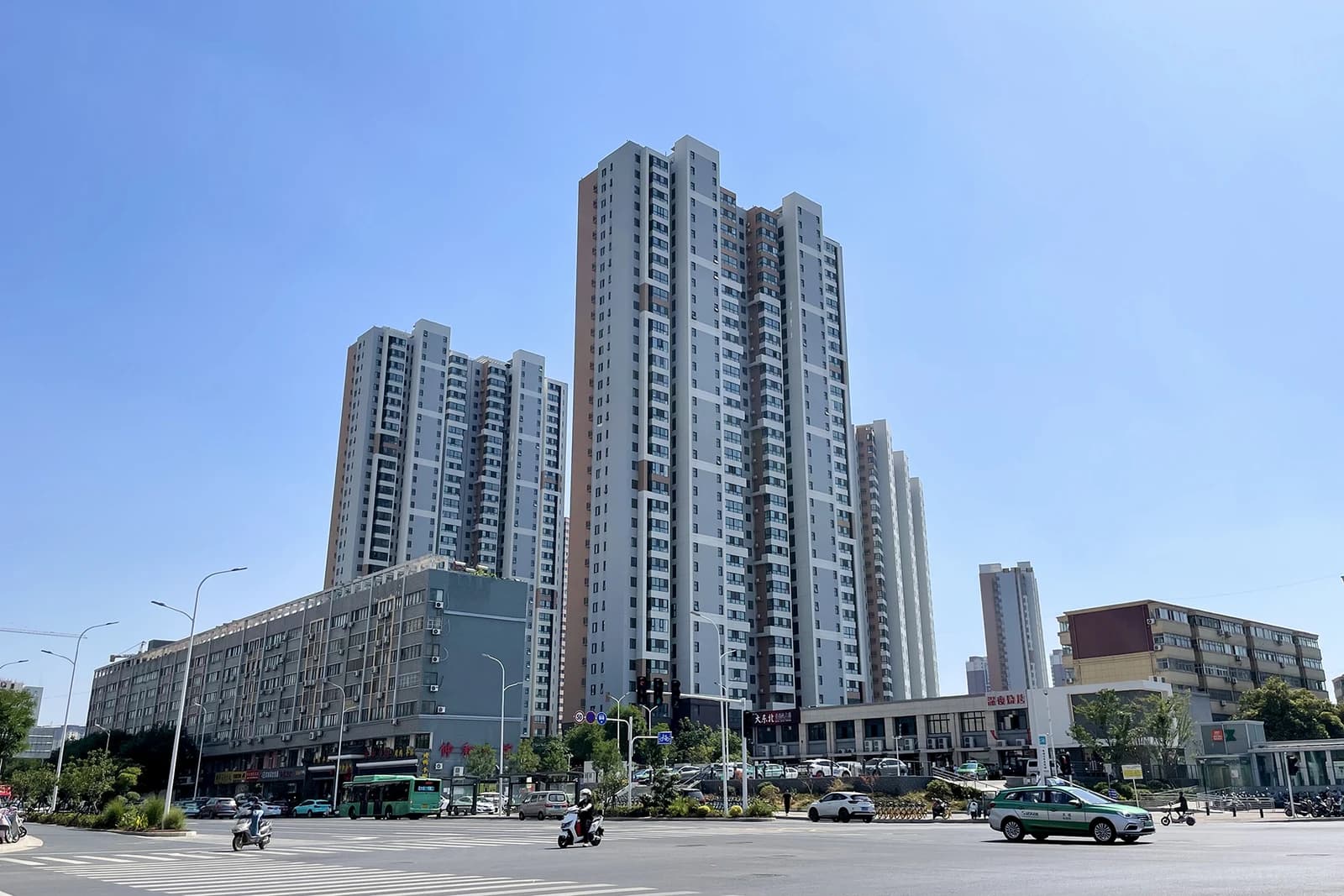
The data show why the relief is limited. In Hanoi, CBRE said average primary asking prices in the third quarter were about 86 million dong per square meter, or roughly 5.16 billion dong for a 60-square-meter unit before taxes and fees. Even with a 30% down payment, a buyer would still need to borrow about 3.61 billion dong, a heavy burden for most families once monthly repayments are stretched over many years. In the inner city, average prices were even higher at around 102 million dong per square meter.
That is why the story is less about rates and more about the mismatch between prices, incomes and available stock. Real estate executives and housing groups argue that the market still lacks enough homes that fit actual purchasing power. Lê Hoàng Châu, chairman of Ho Chi Minh City’s real estate association, said the core problem is that prices remain too high and supply needs to be restructured toward affordable units. Nguyen Van Dinh, vice chairman of Vietnam’s real estate association, said new supply is still concentrated in the middle- and high-end segments, leaving genuine buyers with limited options even when prices ease locally.
The policy response is moving in the right direction, but slowly. The country is building 293 social housing projects totaling 363,065 units, while the Vietnam Bank for Social Policies has been assigned 6.305 trillion dong for social housing lending in 2026, with 5.104 trillion dong already disbursed. Commercial banks are also expanding targeted packages, including Agribank’s 30 trillion dong credit line for social housing, military housing and worker accommodation. Under Resolution 33, 11 banks have joined a program worth more than 153 trillion dong, though actual disbursement remains modest relative to commitments.
For investors, the implication is that lower rates should help the most affordable end of the housing market first, not the broader market uniformly. Developers with legal clarity, lower-priced product and end-user demand are better positioned than projects dependent on rising prices or aggressive leverage. That aligns with the trading picture in U.S. homebuilder and housing ETF proxies, where the sector has bounced but remains constrained by affordability concerns; conventional technical indicators on XHB and ITB show improved momentum, yet those gains have not erased the structural issue that home affordability remains stretched.
The next catalyst is not another modest cut in financing costs, but a real increase in supply of homes people can actually buy or rent long term. Unless land, permitting and pricing are addressed alongside credit, lower rates will only partially ease the strain.
| Entity | Gains | Losses |
|---|---|---|
| First-time buyers | ▲Lower monthly debt service | ▼Still face high down payments |
| Social housing developers | ▲Easier funding access | ▼Margin pressure from pricing caps |
| Commercial banks | ▲More loan demand | ▼Narrower lending spreads |
| Middle-income households | ▲Better mortgage terms | ▼Limited affordable supply |