Hanoi has pulled seven land plots in Vinh Hung ward from its pilot list for commercial housing projects just as Vietnam’s rental market is set to add more than 18,000 units in 2026, underscoring a policy shift that could reshape supply in the capital while keeping pressure on developers and buyers searching for affordable homes.
Hanoi pulls land plots from housing pilot list
Housing (Real Estate)
The removal of the plots signals that the city is still actively managing where and how new housing is built, with direct implications for land values, project pipelines and the timing of future launches. For investors, that matters because Hanoi remains one of the country’s tightest housing markets, where changes in approvals can quickly alter sentiment across developers, land banks and construction demand.
Sentiment Indicators
The broader backdrop is a market still short on affordable options. News of more than 18,000 rental homes expected to be completed next year suggests supply is finally moving, but in a form that may ease cost pressures only gradually, especially for households priced out of central districts and pushed toward suburban alternatives.
That dynamic fits a market already showing signs of slower liquidity rather than sharp price declines. Buyers are increasingly looking beyond Hanoi for land and lower-cost housing, while developers have been delaying apartment launches amid regulatory uncertainty and tighter scrutiny of project eligibility.
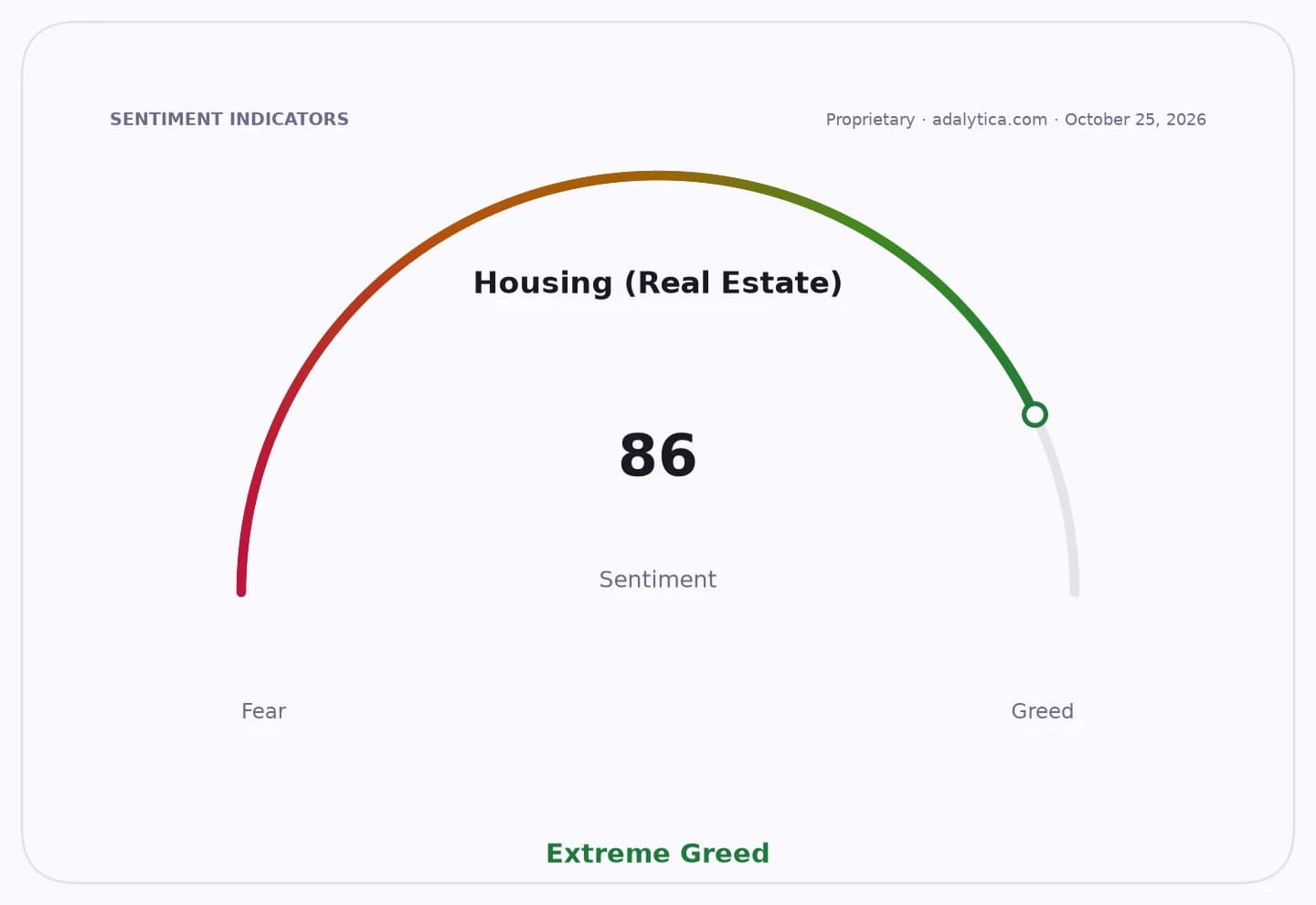
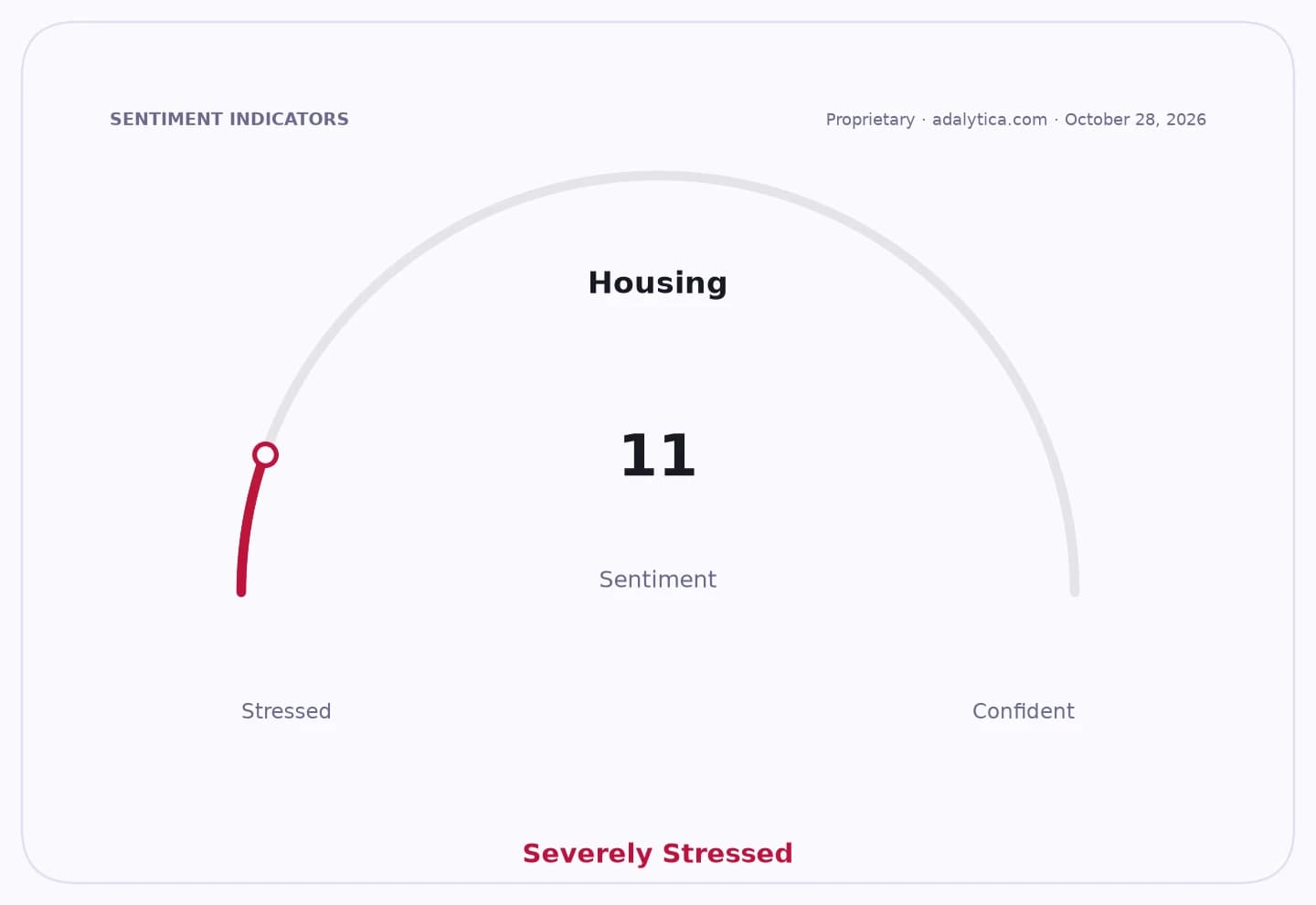
Adalytica’s Housing Fear & Greed Index was at 4, or “Extreme Fear,” while its housing and rent inflation gauge also showed “Extreme Fear,” reflecting weak confidence even as supply initiatives pick up. That combination points to a sector where policy decisions, not just demand, are driving the next phase.
For investors, the key near-term catalyst is whether Hanoi’s land clearance and project selection process speeds up enough to convert policy into deliverable supply. If it does, it could support developers with approved pipelines and construction-linked businesses; if not, affordability pressures and subdued transaction volumes may persist into 2026.
| Entity | Gains | Losses |
|---|---|---|
| Hanoi city officials | ▲tighter land control | ▼faster project rollout |
| Approved developers | ▲clearer pipeline | ▼speculative landholders |
| Renters / homebuyers | ▲more supply in 2026 | ▼near-term affordability relief |
| Land sellers outside core areas | ▲higher demand spillover | ▼central Hanoi plot values |