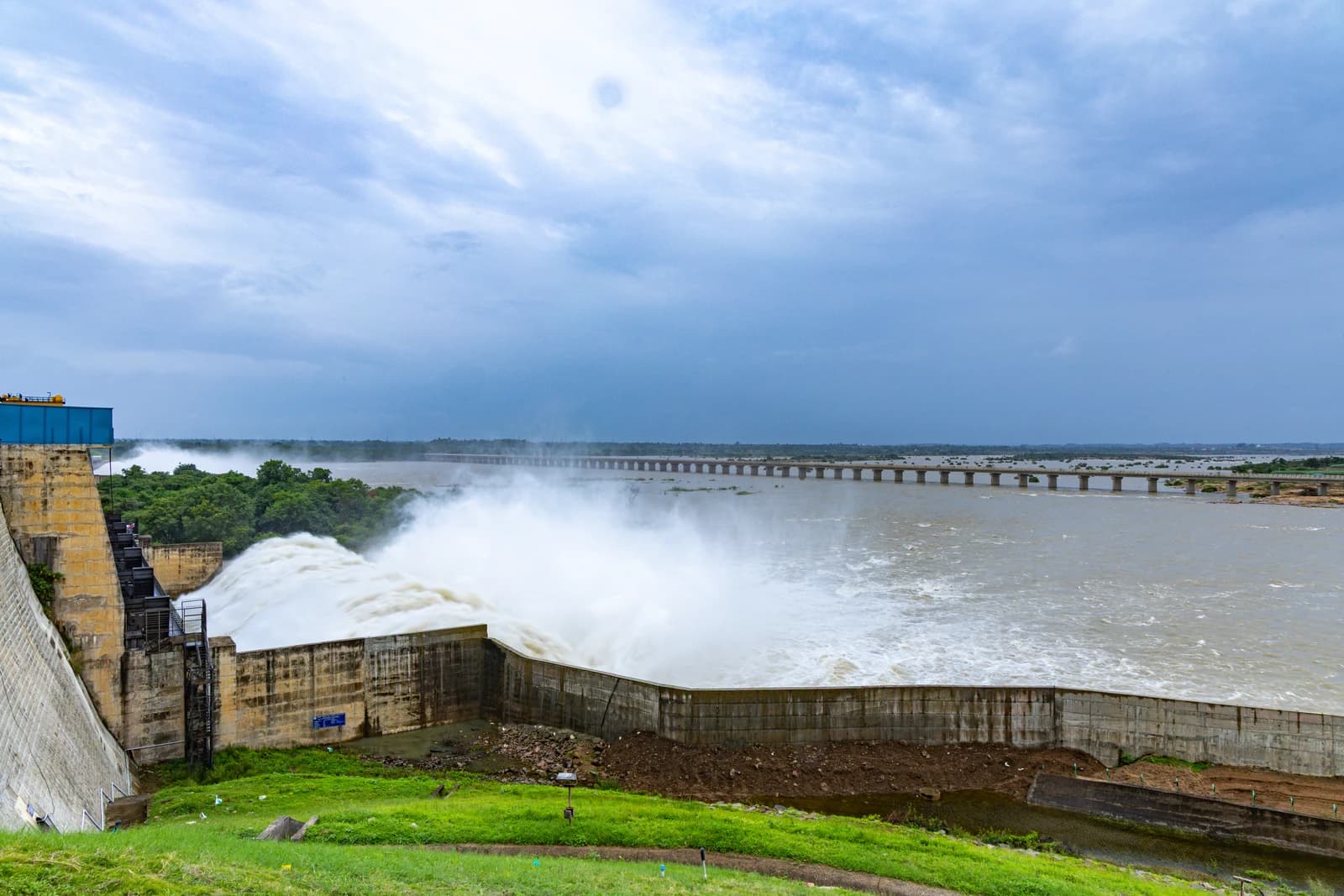
Vietnam’s Ministry of Agriculture and Environment has approved a 1,612 billion dong project to upgrade Ninh Binh’s coastal defenses, a reminder that climate resilience is becoming a hard infrastructure priority, not just a policy slogan.
Vietnam Approves Ninh Binh Coastal Defense Upgrade
The investment matters because sea dikes are economic assets as much as they are flood barriers. In a country where coastal provinces anchor farming, aquaculture, transport links and dense settlements, a breach can ripple through local incomes, public spending and insurance costs for years. By putting state money behind this project now, Hanoi is trying to reduce far larger repair bills later and protect the productive base of the region before the next major storm season.
Sentiment Indicators
The plan covers roughly 10 kilometers of the Hải Hậu sea dike and about 1.6 kilometers of the Giao Thủy section, with spur groynes, wave-reduction platforms and related protection works. The project is scheduled to run for no more than four years and finish before 2030, using state budget funds managed in the 2026-2030 period. A separate 1,365 billion dong program is also being advanced in Ninh Binh to upgrade about 42 kilometers of the Hoàng Long river dikes, underscoring how broad the province’s flood-control needs have become.
For investors, the story is not just about public safety. It is about a government that is still leaning into infrastructure spending as a growth tool while also trying to make future losses less expensive. That supports contractors, materials suppliers and logistics firms that benefit when the state moves from planning to execution. It also strengthens the case for businesses exposed to Vietnam’s coastal economy, where resilience spending helps preserve cash flow, asset values and supply chains.
The longer-term takeaway is straightforward: climate adaptation is turning into a recurring budget line across Asia, and that creates durable demand for construction, cement, steel, engineering and transport services. For long-term investors, projects like Ninh Binh’s are worth watching because they show where public capital is headed next — toward assets that protect growth rather than merely chase it.
| Entity | Gains | Losses |
|---|---|---|
| Vietnamese government | ▲Lower disaster risk | ▼Higher upfront spending |
| Ninh Binh residents and businesses | ▲Better flood protection | ▼Construction disruption |
| Construction and materials firms | ▲More public works demand | ▼Margin pressure if costs rise |
| Coastal exporters and farmers | ▲More stable operations | ▼Continued exposure until completion |