Heavy rain from Cyclone Murusu has breached the ring bund of the Peddavagu Medium Irrigation Project again, raising fresh flood fears in low-lying villages in Andhra Pradesh and underscoring how vulnerable local irrigation infrastructure can quickly turn into a regional economic risk.
Andhra Pradesh flood damage after Peddavagu breach
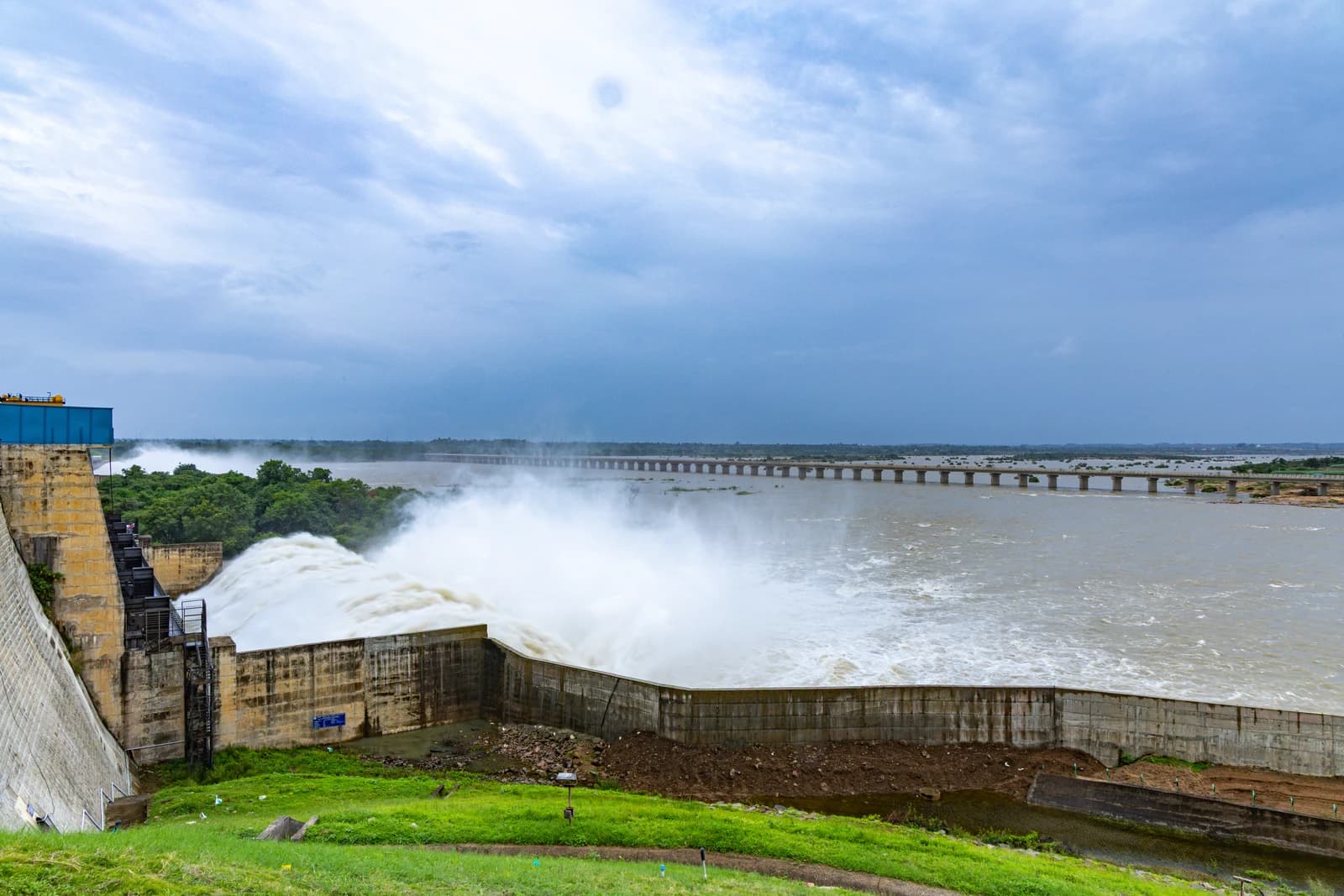
The immediate issue is not just the breach itself, but the downstream spillover. Authorities issued emergency flood warnings for Velerupadu mandal in Eluru district as water surged downstream, with officials telling residents in threatened villages to move to safer locations and relief camps. For farmers and rural households, that means a sharp near-term shock to crops, transport links and daily commerce.
Sentiment Indicators
The economic damage is already showing up in the fields. Officials said paddy, cotton and chilli crops across thousands of acres were submerged after relentless rainfall in Bhadradri Kothagudem district. That is the sort of loss that can hit household income for months, not days, especially in an agrarian region where one flood can wipe out a season’s work and force farmers into fresh borrowing.
The scale of the rainfall helps explain why the system failed. Ashwaraopet recorded 27.6 cm, while nearby mandals logged similarly heavy totals, with about 400 mm falling across Dammepeta, Ashwaraopet and Mulakalapalli combined, according to officials. Streams and rivulets overflowed, roads were cut off and revenue and police teams were deployed to coordinate rescue and relief.
What makes this more troubling for investors and policymakers is the repetition. This is the second breach at the project in three years, a sign that the real story is not just extreme weather but resilience, maintenance and flood management. Repeated failures of basic infrastructure raise the eventual cost of repair, relief and reconstruction, while also increasing the odds of longer-term spending on embankments, drainage and disaster preparedness.
For long-term investors, the broader lesson is that climate volatility is increasingly an economic variable, not just a humanitarian one. In India’s rural districts, flood damage can feed into food supply disruptions, pressure farm incomes and strain state budgets, even if the impact is local at first. The immediate beneficiaries are rescue and relief providers; the losers are farmers, villagers, local transport networks and any public authority that has to absorb another repair bill.
For now, the focus is on evacuation and damage control. But unless bund strengthening and upstream flood management improve, this will remain a recurring risk worth watching closely.
| Entity | Gains | Losses |
|---|---|---|
| Local residents in safe zones | ▲Avoid flood damage | ▼Face evacuation disruption |
| Farmers in affected mandals | ▲None | ▼Crop losses, income hit |
| State and district authorities | ▲Opportunity to improve preparedness | ▼Higher relief and repair burden |
| Flood-control contractors | ▲Future repair work | ▼None |