Government Savings Bank has moved to blunt the economic fallout from flooding with a broad relief package that suspends principal payments and waives interest for three months while offering zero-interest loans to repair homes, restart businesses and bridge cash flow for households and small firms hit by the disaster.
Government Savings Bank offers flood relief loans
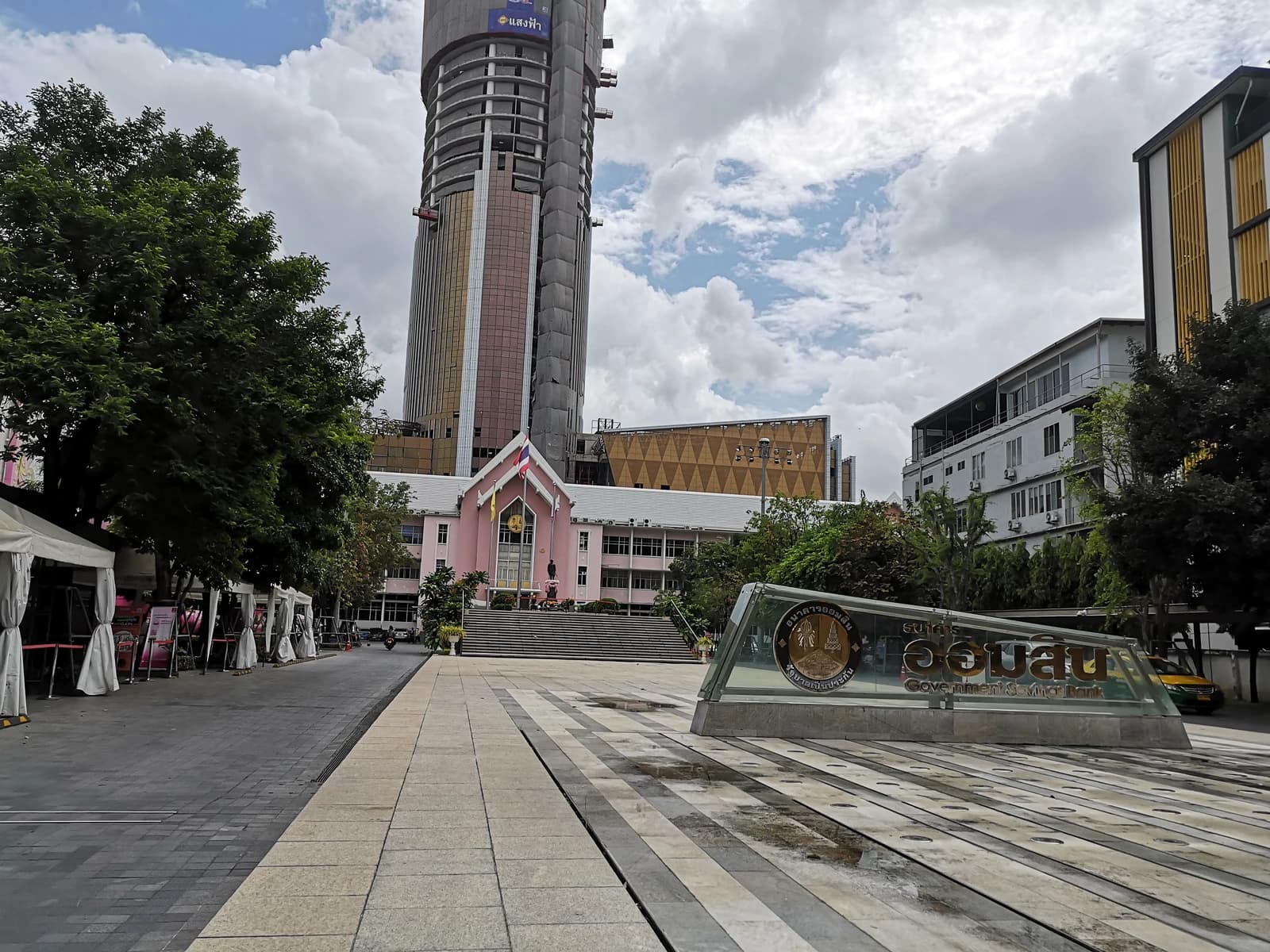
That matters because flood damage is not just a humanitarian shock — it is a direct hit to household spending, small-business liquidity and local economic activity. By giving borrowers breathing room and fresh credit, GSB is effectively acting as a backstop for consumption and reconstruction in affected provinces, reducing the risk that temporary weather losses turn into a deeper credit problem for low-income borrowers and SMEs.
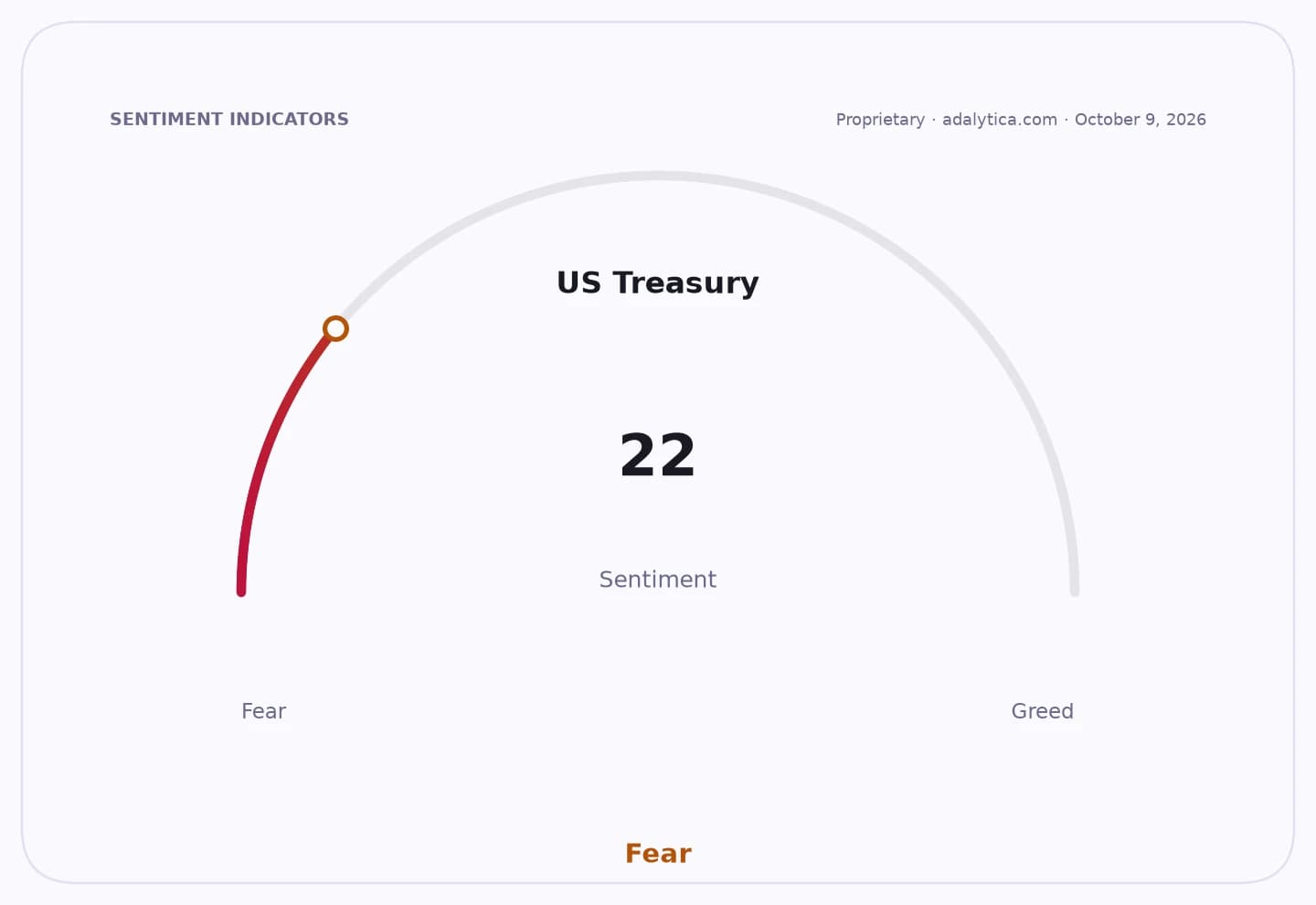
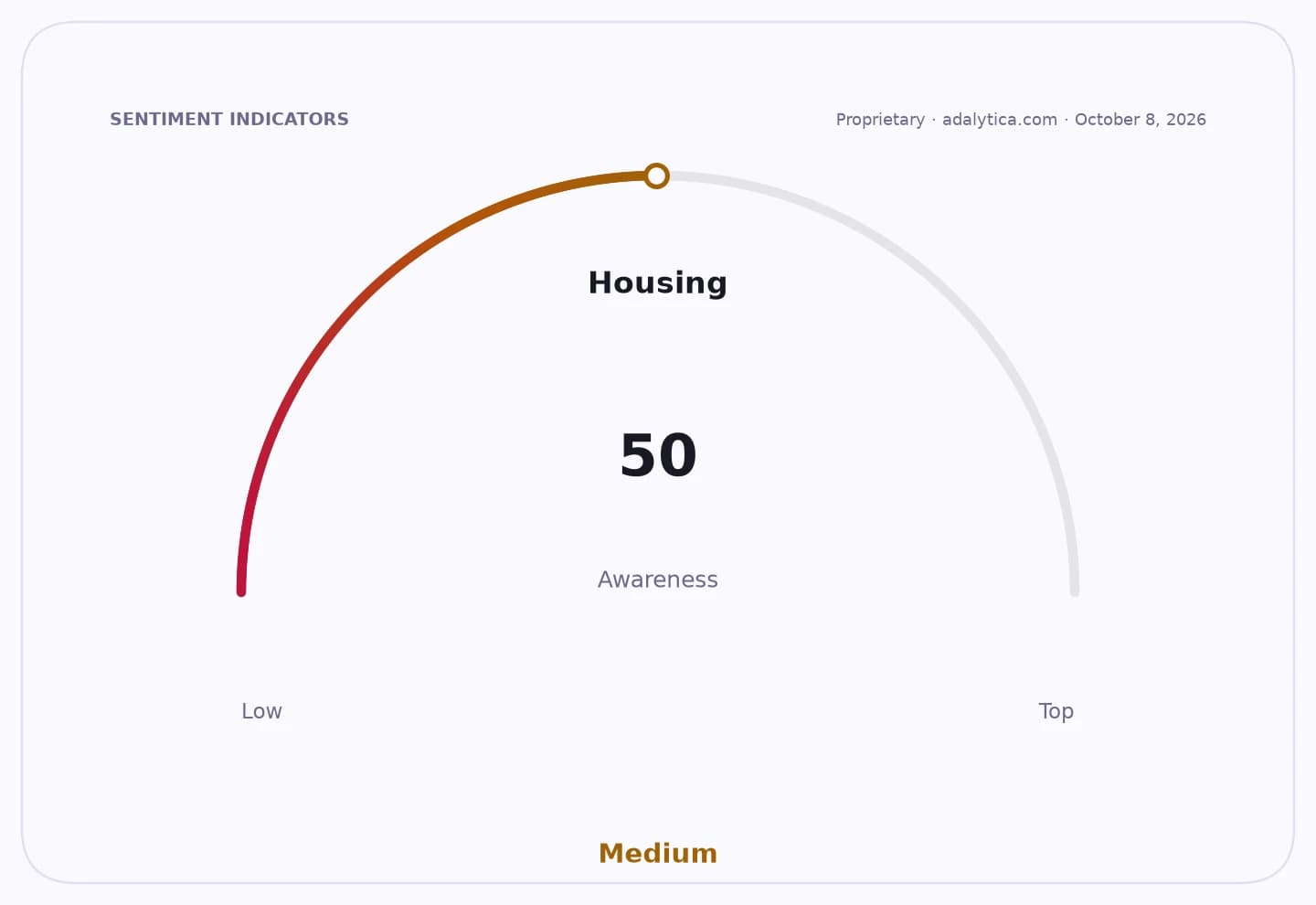
Sentiment IndicatorsⓘProprietary · adalytica.com · October 8, 2026
This is a snapshot — live sentiment, awareness and momentum for 130+ markets update continuously in the dashboard.Open AlphaPulse
The bank said eligible borrowers in officially declared disaster zones will be able to delay principal and pay no interest for three months, with the missed principal folded into the final installment. For families needing immediate cash, GSB is offering emergency loans of up to 20,000 baht with no collateral, 0% interest for the first three months and a flat rate of 0.60% a month thereafter. Home-repair loans can reach 1 million baht, carry no principal payments for six months and remain at 0% for the first year. SMEs can borrow up to 5 million baht, with 0% interest for six months and principal repayment deferred for up to a year.
For investors, the message is bigger than one bank’s relief campaign. Thailand’s flood response is channeling credit into reconstruction, which can support building materials, home-improvement spending, logistics and local commerce once water levels recede. It also highlights how state banks remain a key policy tool in Thailand, especially when the private sector may be slower to lend into damaged communities. In that sense, GSB is not just absorbing social costs; it is helping preserve the credit pipeline that keeps rural and suburban economies functioning.
The immediate losers are GSB’s near-term yield and fee income, but that cost is likely outweighed by the policy objective of stabilizing borrowers and preventing a wave of delinquencies. The longer the flood disruption lasts, the more important these concessional loans become as a bridge to normal activity — and the more likely markets are to look through short-term margin pressure and focus on the rebound in reconstruction demand.
| Entity | Gains | Losses |
|---|---|---|
| Flood-hit households | ▲Debt breathing room | ▼Immediate cash outflow relief |
| Flood-hit SMEs | ▲Cheap working capital | ▼Near-term revenue disruption |
| Government Savings Bank | ▲Policy role, borrower retention | ▼Interest income, margins |
| Construction and repair suppliers | ▲Reconstruction demand | ▼Delay if flooding persists |