Jeseth Thaiseeth moved to accelerate the revival of Romklao Housing Estate on Tuesday, ordering officials to survey every affected household so residents do not miss out on compensation after floodwaters receded.
Romklao Housing Estate Relief Surveys Ordered
The immediate economic issue is less the clean-up itself than the speed and completeness of relief delivery. In disaster-hit housing estates, delays in household-by-household registration can slow consumer spending recovery, delay repairs and prolong pressure on local services. By pushing officials to go door to door rather than waiting for residents to apply, the government is trying to shorten the gap between physical recovery and cash reaching households.
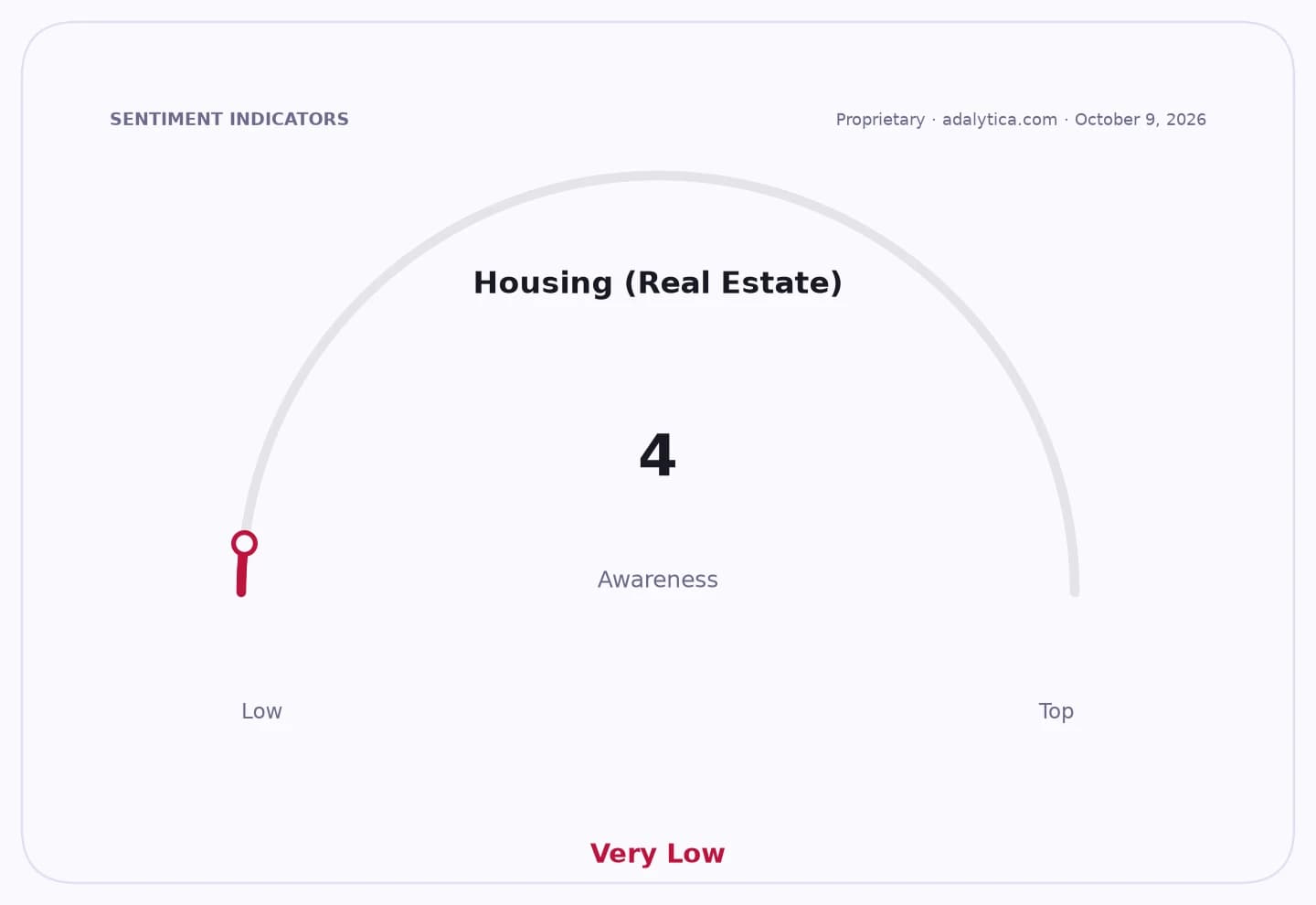
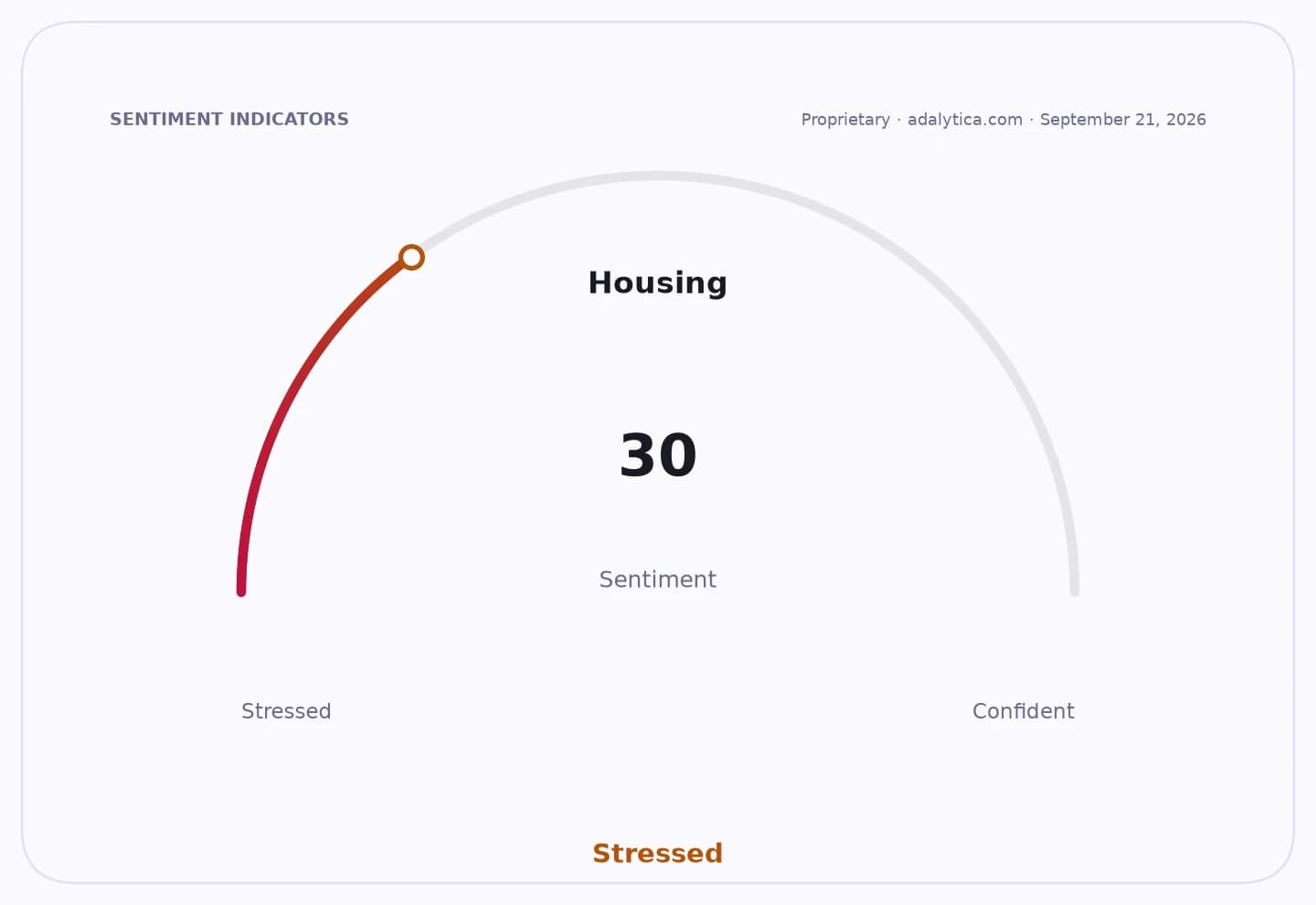
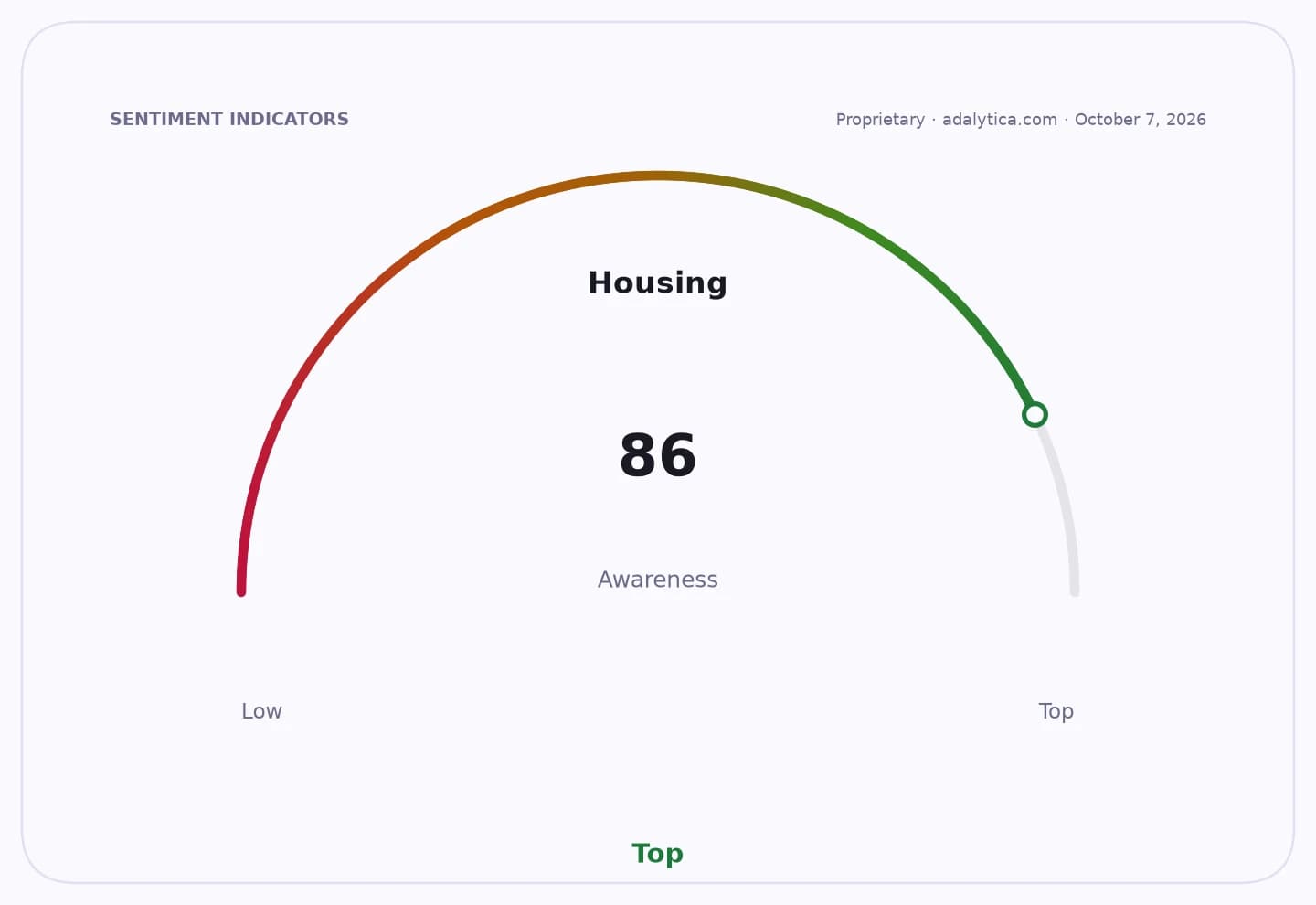
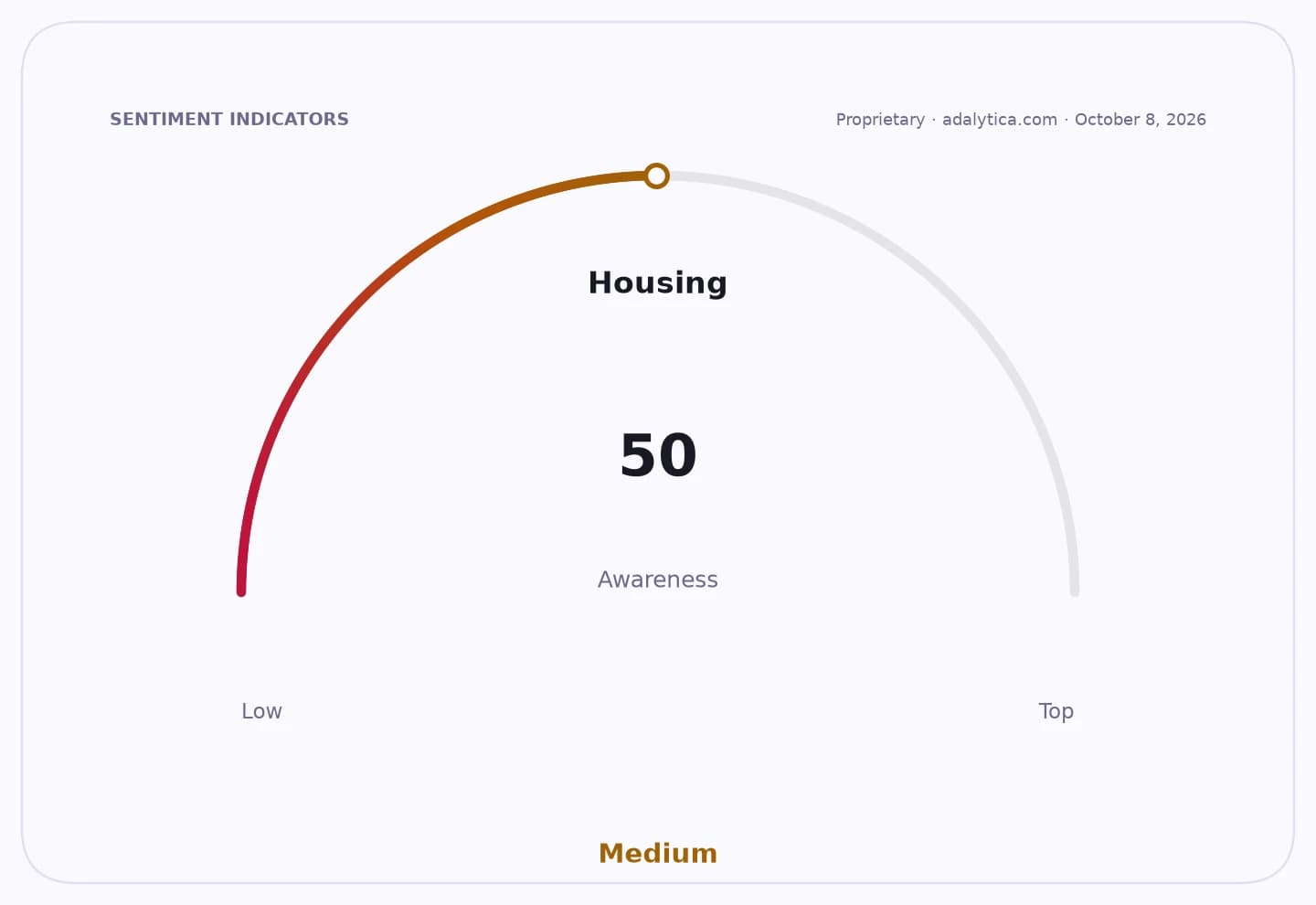
Sentiment IndicatorsⓘProprietary · adalytica.com · October 8, 2026
This is a snapshot — live sentiment, awareness and momentum for 130+ markets update continuously in the dashboard.Open AlphaPulse
That matters because flood recovery is often a liquidity problem as much as an infrastructure problem. For families, compensation can determine whether they can replace damaged belongings, restart small businesses and pay for temporary housing. For the wider economy, faster disbursement supports consumption in the surrounding area and reduces the risk that a localized shock becomes a broader drag on retail, utilities and housing activity. The order also reflects a policy preference for targeting aid at the household level, which can improve coverage but demands coordination across agencies and more administrative capacity.
The Metropolitan Waterworks Authority has already been supplying drinking water daily and will add staff to help with relief registration and surveys, underscoring that the response is moving from emergency support to administrative restoration. Officials said the effort will combine cleaning, environmental restoration, utility maintenance and compensation registration in a single push to restore normality at the estate.
For investors, the episode is a reminder that housing recovery after flooding is rarely just a public-sector story. It can influence demand for building materials, repair services, utilities and, eventually, residential turnover in affected districts. It also keeps attention on Thai housing affordability and the resilience of lower- and middle-income estates, where a missed reimbursement can quickly translate into delayed spending and weaker demand recovery.
The key question now is execution: whether the surveys reach every household and whether compensation is paid quickly enough to prevent a longer economic aftershock in Romklao and nearby communities.
| Entity | Gains | Losses |
|---|---|---|
| Romklao residents | ▲Faster relief access | ▼Delayed recovery if overlooked |
| Thai government | ▲Visible disaster response | ▼Execution risk if households are missed |
| Metropolitan Waterworks Authority | ▲Public-service role expanded | ▼Operational burden |
| Local repair and utility providers | ▲More post-flood demand | ▼Weak demand if payouts lag |