Indonesia’s finance minister says debt tied to the country’s high-speed rail project will be absorbed by state-owned enterprises under his ministry, a move that avoids an upfront cash payment to Danantara but shifts the liability onto the public balance sheet over time.
Indonesia rail debt to shift to state-owned enterprises

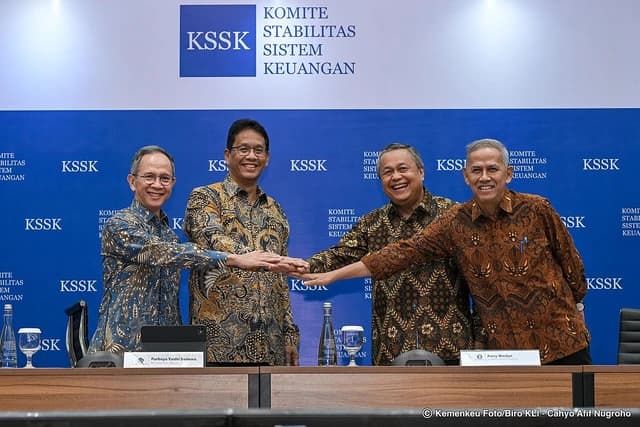
Purbaya Yudhi Sadewa said on Monday the handover of the Jakarta-Bandung line to the finance ministry would come at “zero rupiah” equity cost, while future obligations would be carried by a special mission vehicle, or SMV, owned by SOEs under the ministry. He said the government is still calculating the size of the repayment burden and expects work on the settlement to begin around mid-month.
Sentiment IndicatorsⓘProprietary · adalytica.com · September 8, 2026
This is a snapshot — live sentiment, awareness and momentum for 130+ markets update continuously in the dashboard.Open AlphaPulse
The statement matters because it points to another layer of state support for one of Indonesia’s most politically sensitive infrastructure projects. Instead of treating the rail debt as a one-off transfer, the government appears to be structuring a rolling repayment plan through state enterprises, which spreads the fiscal impact but keeps contingent liabilities inside the public sector.
Purbaya said one SMV could generate Rp3 trillion to Rp4 trillion in annual profit, plus about Rp800 billion from operating gains, suggesting the unit would have enough cash flow to service the debt. He did not name the vehicle that would take on the obligation, leaving investors to watch whether the burden lands on a stronger cash-generating entity or a thinner balance sheet elsewhere in the state system.
For markets, the key issue is not just who pays, but how visibly the liability is contained. Any move to socialize the debt through SOEs can support the rail project’s continuity and reduce the risk of an abrupt restructuring, but it also raises questions about transparency, budget discipline and the broader strain on state-owned balance sheets.
The comments come as Indonesia continues to navigate a wider debate over public-sector debt and infrastructure financing, with policymakers trying to keep strategic projects moving without triggering a heavier direct fiscal hit. The next catalyst will be the government’s detailed calculation and the formal designation of the SMV that will take over the repayments.
| Entity | Gains | Losses |
|---|---|---|
| Indonesian government | ▲Keeps project moving | ▼Takes on contingent liabilities |
| Danantara | ▲Avoids upfront cash payout | ▼Loses direct claim on repayment |
| Finance ministry SOEs/SMV | ▲Gain role and cash flow | ▼Bear future debt burden |
| Investors in state balance sheets | ▲More clarity if structured well | ▼More leverage risk if opaque |