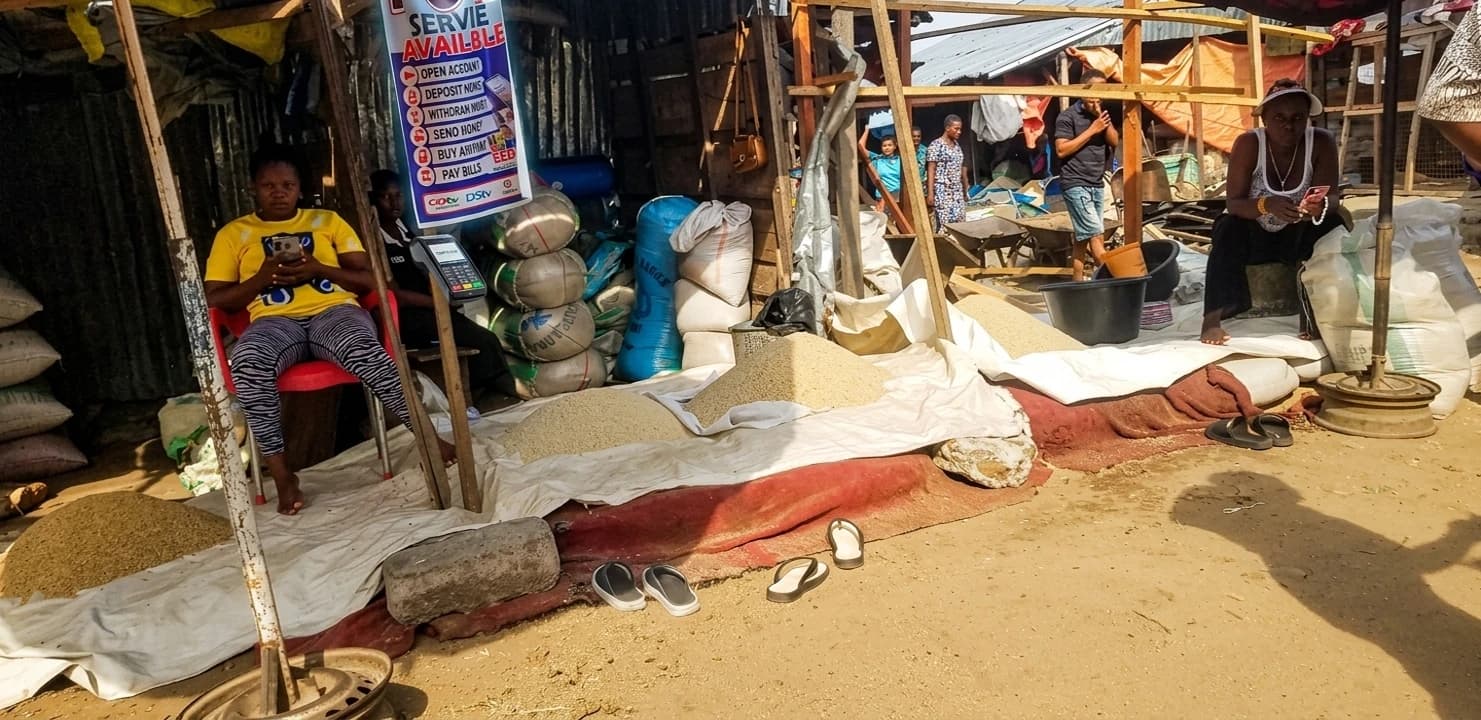
Indonesia is renaming its subsidized SPHP rice program to Beras Kita Medium, a branding move that underscores the government’s effort to simplify distribution of a politically sensitive staple at a time when food affordability remains under pressure.
Indonesia Rice Program Renamed Beras Kita Medium
The new name will be launched on Oct. 20, 2026 and applied to rice sold through state logistics agency Perum Bulog, with the government also planning a Beras Kita premium line. Officials said the old SPHP packaging will remain in circulation until existing stocks are exhausted, limiting the risk of an abrupt disruption at retail level.
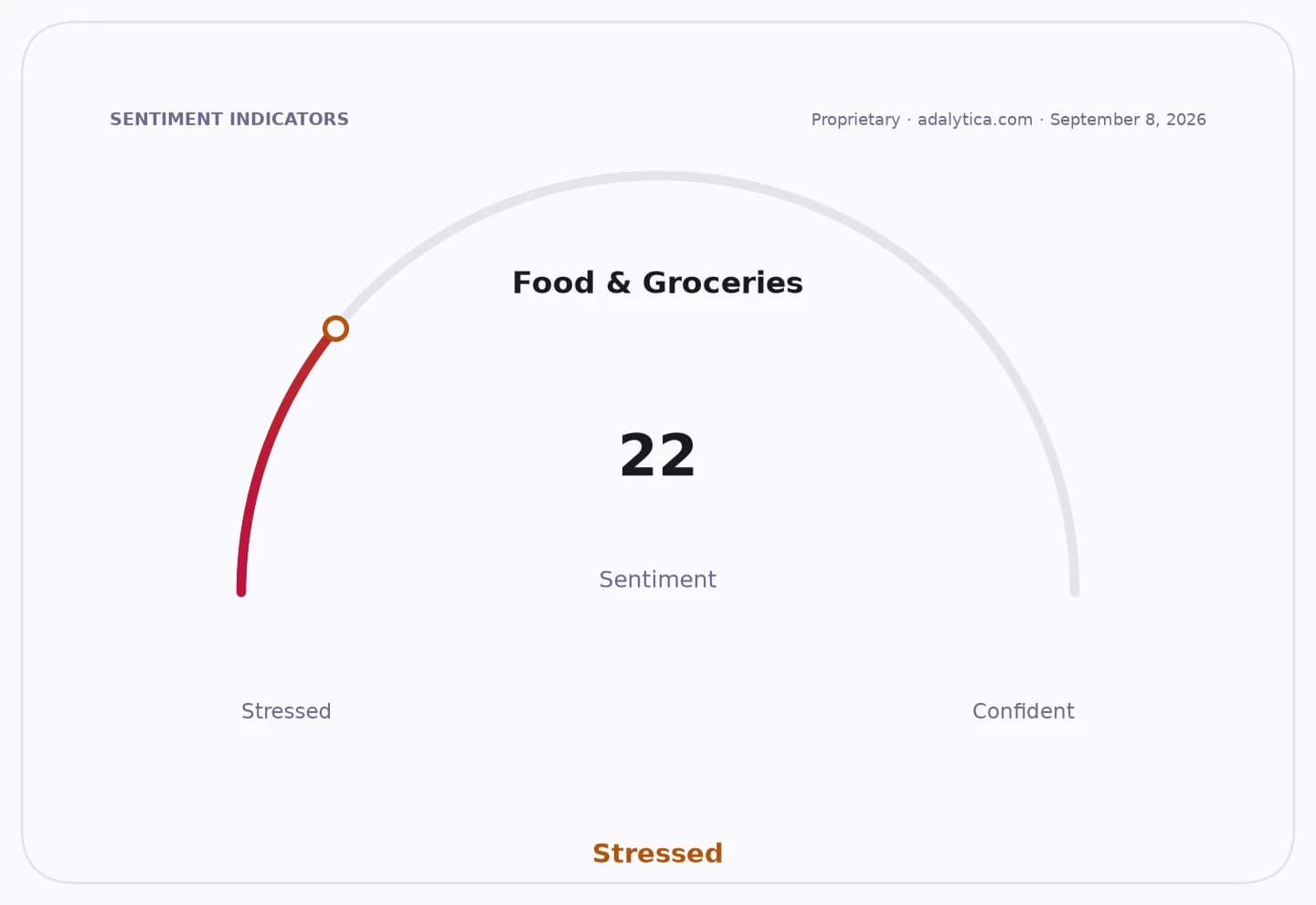
Sentiment IndicatorsⓘProprietary · adalytica.com · September 8, 2026
This is a snapshot — live sentiment, awareness and momentum for 130+ markets update continuously in the dashboard.Open AlphaPulse
Economically, the change is less about product design than about improving the transmission of state food policy. Rice is Indonesia’s most important household food item, so even small frictions in labeling, recognition or distribution can affect how quickly subsidized supplies reach consumers. By consolidating government rice under a single “Kita” brand, Jakarta is trying to make the program easier to identify alongside other state-backed staples such as Minyakita and ManisKita.
That matters because rice prices feed directly into household inflation, which in turn shapes real purchasing power and policy pressure. A clearer, more recognizable state brand could help Bulog move inventory faster and reinforce the government’s role as a price stabilizer. It also gives officials a cleaner platform for future intervention if market prices rise or supply tightens.
For investors, the move is a reminder that food policy in Indonesia is still heavily administrative and can influence consumer demand, logistics and sentiment across the staple-food chain. Any improvement in the visibility of subsidized rice could dampen short-term pricing power for private millers and distributors, while potentially supporting Bulog’s market share in the government channel. The rebrand also carries some execution risk: if consumers do not quickly connect Beras Kita with the familiar SPHP label, uptake could be slower than planned.
The broader backdrop is one of cautious food spending. Adalytica’s Food and Grocery Spending Sentiment gauge is in “Fear” territory, suggesting consumers remain sensitive to staple prices. In that environment, a government-backed rice label that is easier to recognize could help shore up trust, even if the economics of supply and subsidies are unchanged.
The key question now is whether the October launch improves distribution efficiency or remains mostly cosmetic. If the rollout is smooth, Beras Kita could strengthen the government’s hand in managing rice inflation. If it confuses shoppers or complicates inventory transitions, it risks becoming another label change that has little effect on the underlying food-price problem.
| Entity | Gains | Losses |
|---|---|---|
| Perum Bulog | ▲clearer state brand | ▼labeling transition costs |
| Consumers | ▲easier program recognition | ▼possible short-term confusion |
| Private rice sellers | ▲— | ▼price competition from subsidized supply |
| Government | ▲stronger food policy visibility | ▼execution risk if rollout falters |