Inflation is still doing the quiet damage that bank accounts cannot fix, and that is why income-producing assets remain the smarter long-term place for patient investors to put money to work.
Inflation Keeps Pressure on Cash Holdings
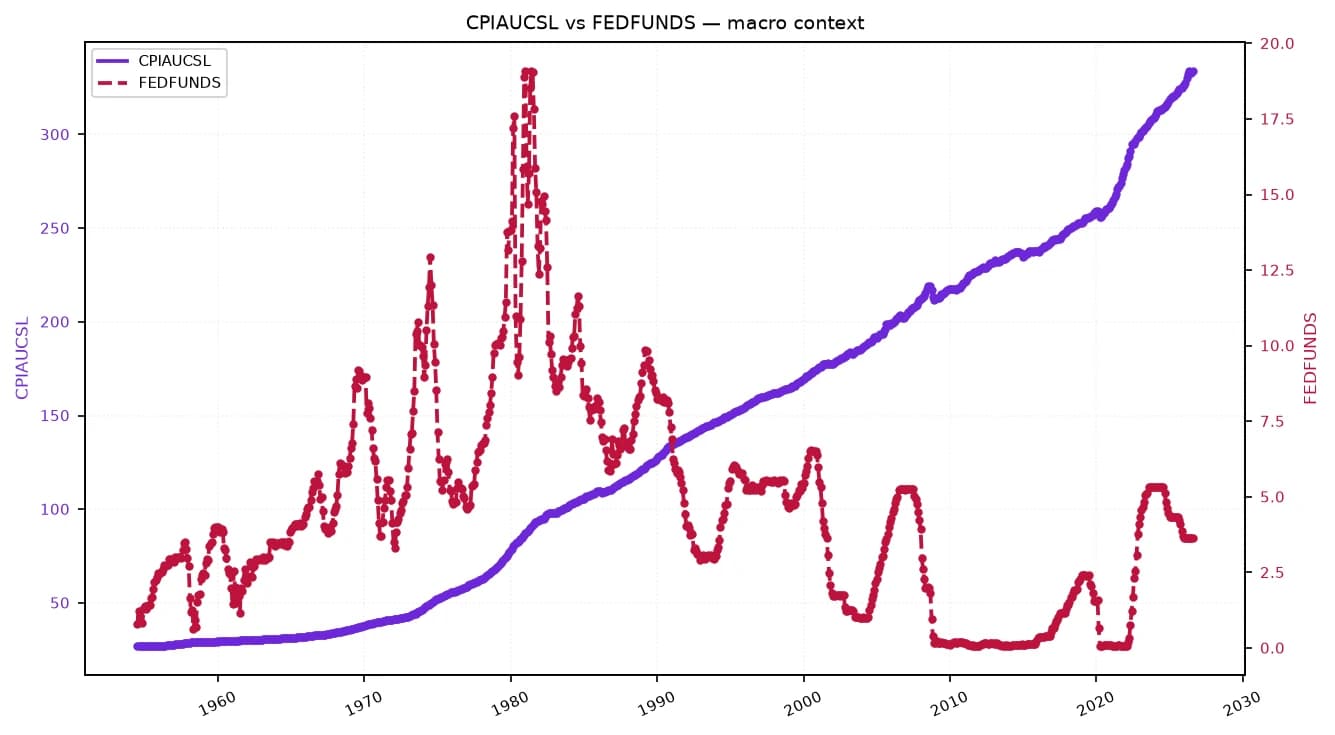
The latest figures in the data set point to the same uncomfortable truth: prices continue to rise, even if the pace has cooled from the spike of earlier years. The US consumer price index stands at 334.131, up from 333.979 in May, while the Federal Reserve’s policy rate is around 3.75% after a modest increase. That still leaves cash savers in a weak position when inflation is eating away at purchasing power over time.
Sentiment IndicatorsⓘProprietary · adalytica.com · October 2, 2026
This is a snapshot — live sentiment, awareness and momentum for 130+ markets update continuously in the dashboard.Open AlphaPulse
For investors, that is the real issue. Parking money in a bank account may feel safe, but safety and growth are not the same thing. If inflation runs faster than deposit returns, money loses value in real terms. Over years, that gap compounds. That is why dividend stocks, broad index funds and real estate funds tend to matter most for long-term wealth building: they offer a way to own productive assets rather than sit on depreciating purchasing power.
The market signals reinforce the argument. The Vanguard Real Estate ETF, VNQ, has been under pressure, falling to 89.17 from 97.55 in early July. Its relative strength index sits at 16.8, a reading that conventional technical indicators would call deeply oversold. The S&P 500 ETF, SPY, has held up far better, trading near 763.99, but its recent weakness and neutral tone in Adalytica’s S&P 500 Trade Signals snapshot show investors are still wrestling with rate risk, inflation and growth concerns.
That tension is exactly why a diversified, income-oriented approach makes sense. Higher rates can support cash yields for a while, but they also keep pressure on bond prices and raise the hurdle for equities and property funds. Meanwhile, equities with dependable dividends and pricing power can help investors outrun inflation rather than merely react to it. Real estate funds can also provide an income stream, though they are more sensitive to financing costs when rates stay elevated.
For long-term investors, the message is straightforward: inflation has not gone away, and cash alone is still a losing strategy if the goal is to preserve and grow wealth. Swiss dividend stocks, cheap index funds and real estate funds can each play a role in a resilient portfolio, especially for investors thinking in three, five or 10 years rather than three months. The right move is not to chase the latest headline, but to own assets that can compound through the cycle and keep working while your cash sits still.
| Entity | Gains | Losses |
|---|---|---|
| Dividend stocks | ▲Income investors | ▼Cash savers |
| Broad index funds | ▲Long-term compounding | ▼Market timers |
| Real estate funds | ▲Yield seekers | ▼Borrowing-cost sensitive holders |
| Bank deposits | ▲Short-term liquidity | ▼Purchasing power holders |