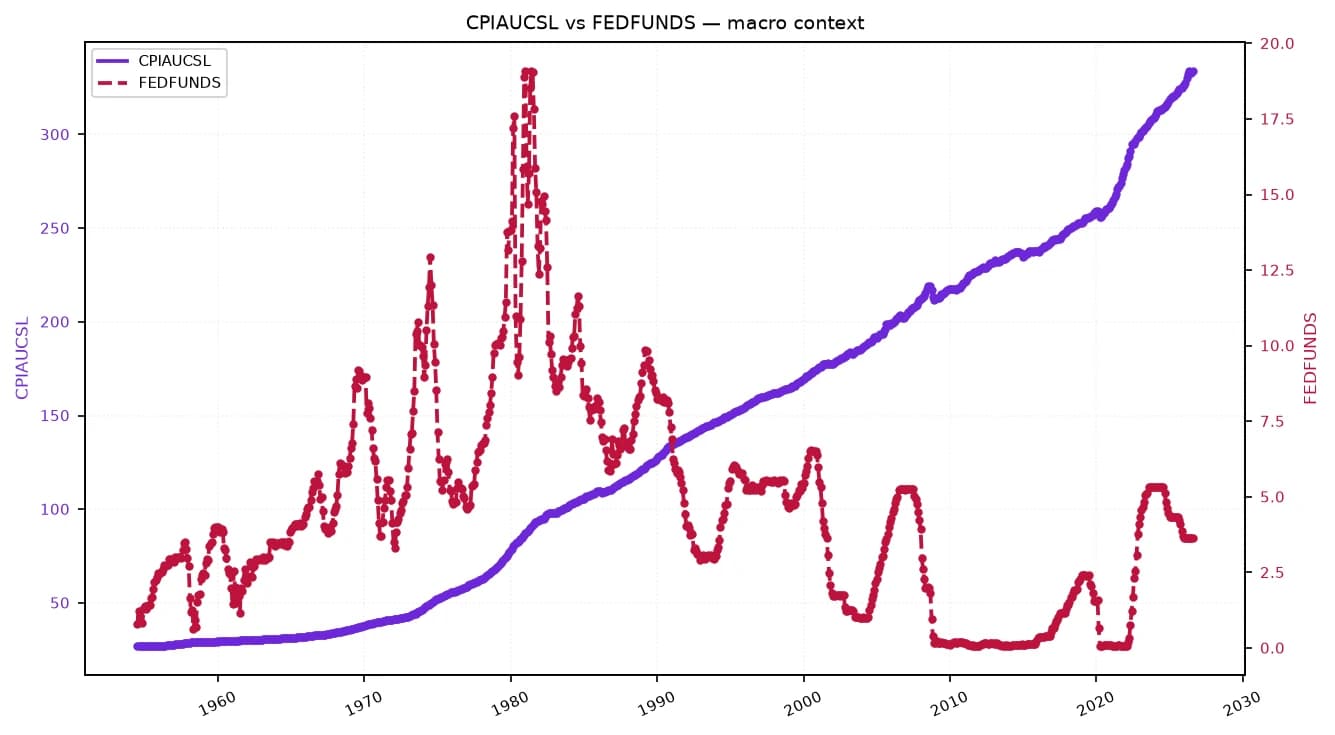
Money sitting safely in the bank is losing purchasing power again, and that matters because it means households can feel like they are saving even as their real wealth slips backward.
New Zealand savings lose purchasing power as inflation stays high

For New Zealanders keeping emergency cash in term deposits or on-call accounts, the arithmetic is uncomfortable. Inflation is running at 4.1%, while six-month term deposits are paying about 3.55% and on-call savings rates are often just 0.5% to 2%. After tax, many savers are being paid less than the cost of living, which means their cash pile buys a little less each month even though the balance is still there.
Sentiment IndicatorsⓘProprietary · adalytica.com · October 1, 2026
This is a snapshot — live sentiment, awareness and momentum for 130+ markets update continuously in the dashboard.Open AlphaPulse
That is the core message behind the latest reminder from Simplicity chief economist Shamubeel Eaqub: in real terms, bank savings are only barely keeping up right now, and for much of the recent past they have not kept up at all. The Covid era was especially punishing for conservative savers, with term-deposit returns falling well behind inflation. The 1970s were worse, but the point for investors today is simpler: cash is useful, but it is not risk-free when inflation is elevated.
This matters economically because cash is where millions of households keep their short-term security. If those balances are eroding in real terms, people have to save more just to stand still, and retirees living off interest income have to stretch further to maintain the same standard of living. That also changes behavior across the economy. When deposit rates lag inflation, savers are pushed toward risk assets, longer-dated investments or simply spending less, none of which is painless.
The same lesson shows up in KiwiSaver, where short horizons can be misleading. Milford’s conservative fund fell 0.45% over six months to 31 August, a result that is uncomfortable but not unusual when interest rates rise. Chief economist Murray Harris noted that conservative funds have been hit by rising local and global rates, even though the one-year return was still positive and the fund has done much better over three years. For investors, that is the crucial distinction: short-term losses in conservative portfolios can happen, but the bigger question is whether the fund matches your time frame and risk tolerance.
That is why this story is not really about one bad half-year or one disappointing deposit rate. It is about the return on safety itself. When inflation is above deposit yields, cash stops being a wealth builder and becomes a wealth preserver at best, and a slow leak at worst. That is especially important for older investors and anyone relying on fixed income, because the purchasing power of “safe” money can be quietly undermined.
The practical takeaway is not to abandon cash. Emergency funds still need to be liquid and secure. But investors should be honest about what cash is for: stability, not growth. If your money is meant for years rather than months, history says diversified assets have a far better chance of outpacing inflation over time. In other words, keep enough in the bank for life’s surprises, but do not confuse a bank balance with real wealth. Worth watching, and worth rethinking if your savings are sitting still while prices keep climbing.
| Entity | Gains | Losses |
|---|---|---|
| Savers with cash in bank accounts | ▲Liquidity and safety | ▼Purchasing power |
| Borrowers and households with debt | ▲Cheaper real debt burden | ▼— |
| Term-deposit holders | ▲Modest nominal income | ▼Inflation-adjusted returns |
| Diversified investors | ▲Better long-term real growth | ▼Short-term market volatility |