Iran is moving to deepen economic and technological ties with Armenia as the U.S.-backed TRIPP transport project advances, signaling Tehran’s effort to preserve influence in the South Caucasus and secure alternative trade routes under sanctions and blockade pressure.
Iran Deepens Tech and Trade Ties With Armenia
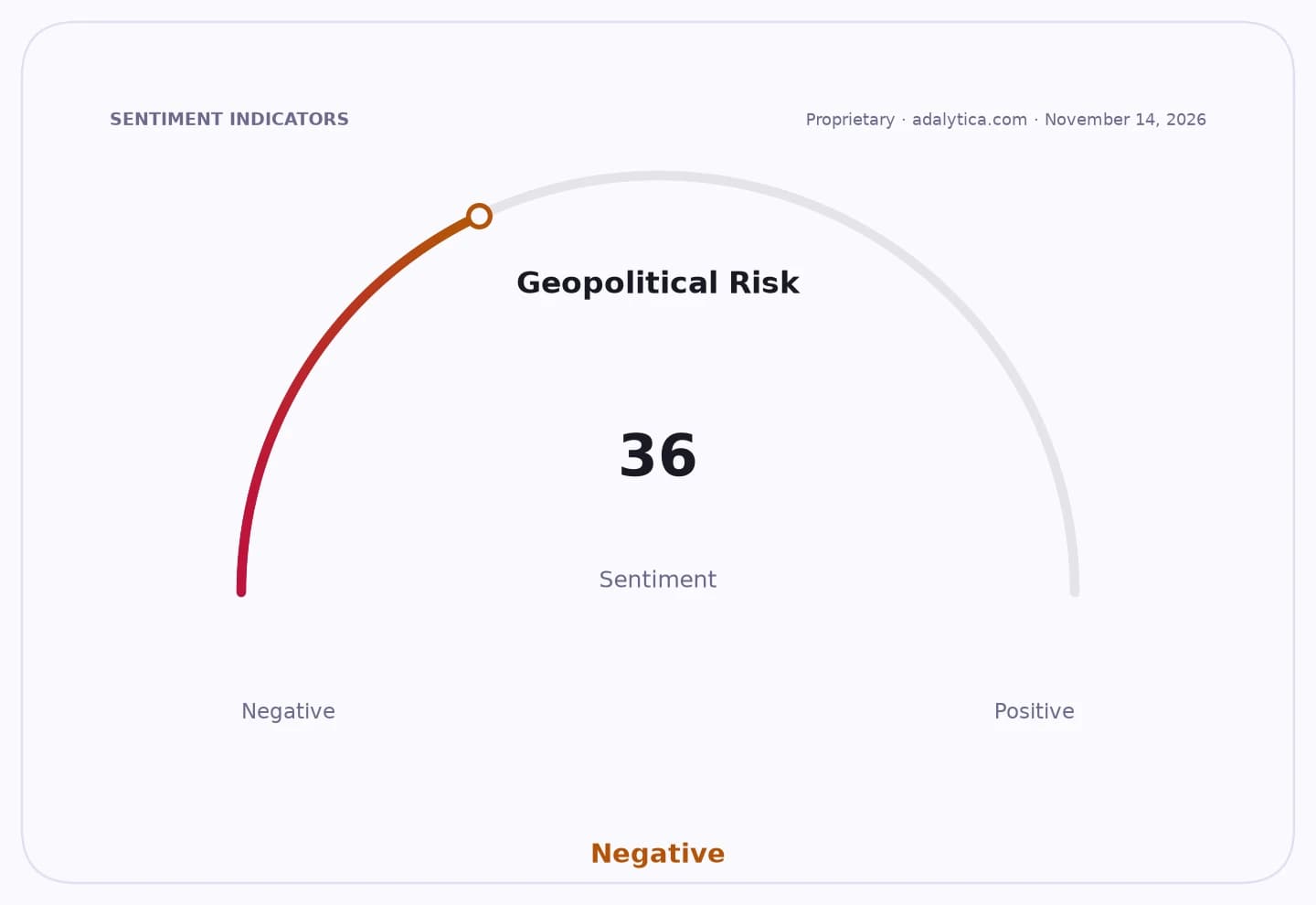
Geopolitical Risk
The push matters because Iran is not just talking about diplomacy; it is trying to build practical channels for commerce, logistics and communications that could help offset maritime and air restrictions. The talks in Yerevan covered border-spectrum coordination, fiber-optic links, alternative routes for international traffic, postal services, cybersecurity and digital government — all sectors that can shape who controls the region’s future transit flows.
Sentiment Indicators
Iranian ICT Minister Seyed Sattar Hashemi said Tehran is ready to work with Armenian agencies on infrastructure, AI, data analytics, semiconductor design, industrial automation and space technologies. He also proposed joint investment around the Payam special economic zone and airport, as well as equipment manufacturing, technology transfer and export of tech products.
For investors and regional operators, the key point is that Iran is trying to embed itself in Armenia’s digital and physical infrastructure at the same time the TRIPP project is opening a new U.S.-linked transport corridor in the region. Tehran clearly views that corridor as a strategic challenge and wants Armenia to remain tied into the International North-South Transport Corridor, potentially as a fourth route alongside its existing eastern, central and western options.
That has implications beyond politics. If Iran succeeds in routing more traffic through Armenian territory — including mail and parcels from third countries — it could strengthen overland trade resilience for both economies and reduce dependence on vulnerable sea and air links. It would also give Armenian businesses and state institutions deeper access to Iranian telecom, logistics and cybersecurity know-how at a time when regional supply chains are being redrawn.
The broader backdrop is a more fragmented South Caucasus transit map, with competing corridors drawing in the U.S., Iran, Azerbaijan and Armenia. Tehran’s message from Yerevan is that it intends to answer TRIPP not only with rhetoric, but with concrete proposals across infrastructure, digital services and cross-border trade.
The next watchpoint is whether the draft memorandum of understanding Iran says it has already sent to Armenia gets finalized, and whether the two sides turn the current political opening into contracts, route agreements and working groups before corridor competition hardens further.
| Entity | Gains | Losses |
|---|---|---|
| Iran | ▲Better overland trade access | ▼Less leverage from transit isolation |
| Armenia | ▲More investment and tech links | ▼Pressure from corridor rivalry |
| TRIPP/U.S. bloc | ▲Regional route visibility | ▼Iranian pushback |
| Iran-Armenia exporters/logistics firms | ▲New traffic and mail routes | ▼Higher geopolitical friction |