Irish tweed is moving from heritage niche to fashion talking point, with Jonathan Anderson’s Irish tweed opening at Dior, Anne Hathaway’s repeated wear of Donegal pieces and a new Dublin flagship from Triona signaling a broader commercial revival for the textile and the makers behind it.
Irish Tweed Revival Gains Luxury Momentum
The shift matters economically because it is turning an artisanal regional fabric into a higher-value luxury product with export potential, stronger tourism appeal and a better case for protected status in Europe. For Donegal and the wider Irish craft sector, that can mean more pricing power, more brand recognition and a larger market beyond local customers.
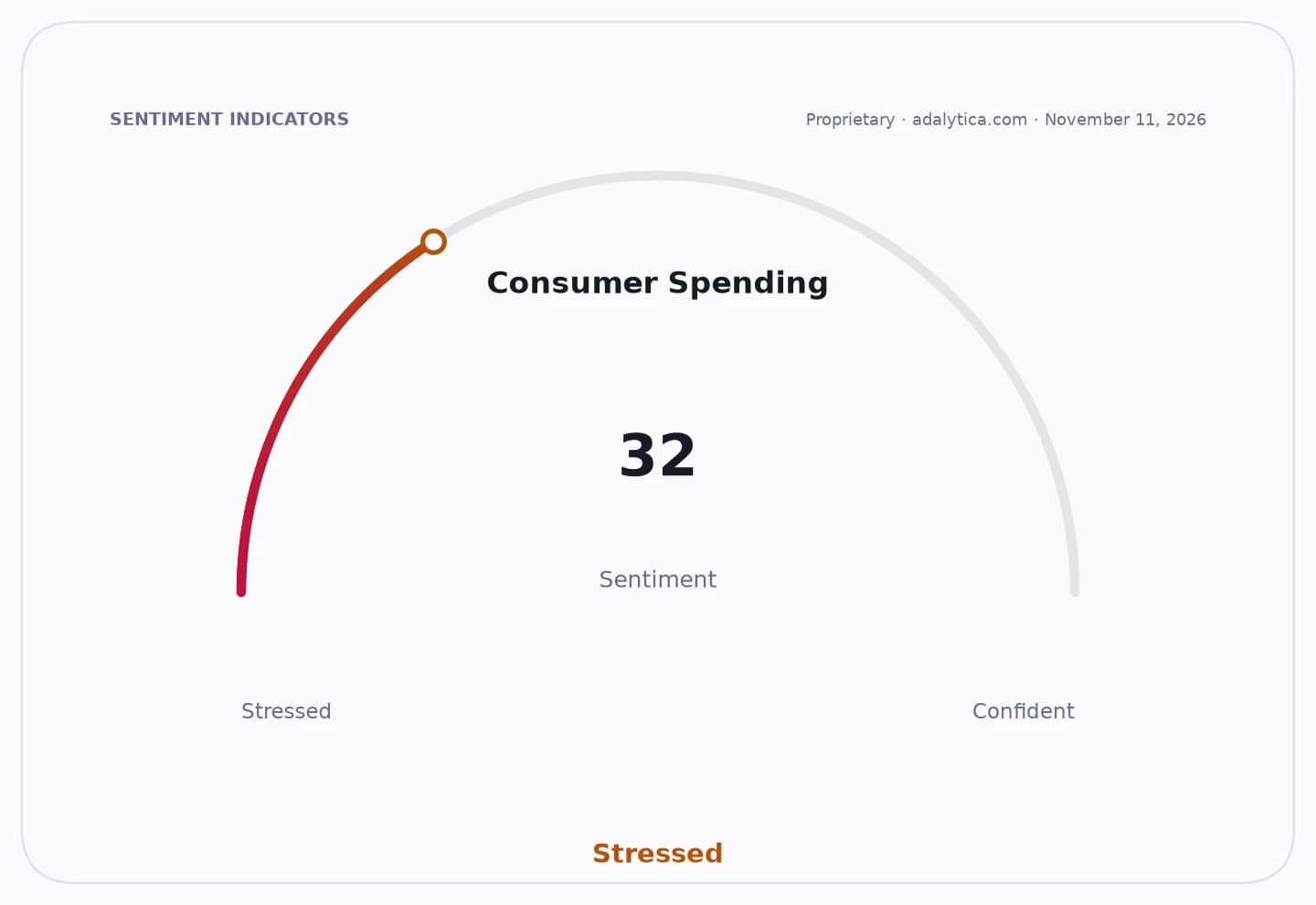
Sentiment Indicators
The momentum is building just as campaigners push for European protected status for Donegal tweed, a designation they say would help distinguish the cloth from imitators and lock in provenance value. That protection push has been underway for more than 20 years, underscoring how long Irish producers have been trying to convert cultural cachet into commercial advantage.
Triona, based in Ardara in County Donegal, plans to open a flagship store on Dublin’s Dawson Street next month, aiming to bring “as much of Donegal as possible to Dublin,” including hospitality. The company says its tweeds are mostly woven by John Hanly in Tipperary, and it counts Sarah Jessica Parker and Anne Hathaway among its customers.
Designer Anna Guerin is also leaning into the trend with Landskein, a modern luxury tweed line woven exclusively in many cases by Molloy & Sons of Ardara. Her autumn/winter 2026 collection is already in Brown Thomas stores in Dublin, Cork and Limerick, as well as select boutiques and online, showing how Irish tweed is being positioned for a broader luxury audience rather than a purely regional one.
The story is bigger than fashion cycles. If protected status comes through and the retail push in Dublin gains traction, Irish tweed could move closer to the model that has long benefited Harris tweed in Scotland: a recognizable, provenance-backed premium product with appeal to global consumers and fashion houses.
| Entity | Gains | Losses |
|---|---|---|
| Donegal tweed makers | ▲Premium pricing, protected status | ▼Generic competition |
| Luxury brands | ▲Heritage storytelling, runway buzz | ▼Sourcing costs |
| Dublin retailers | ▲Footfall, high-end inventory | ▼Mass-market focus |
| Copycat textile producers | ▲None | ▼Provenance advantage |