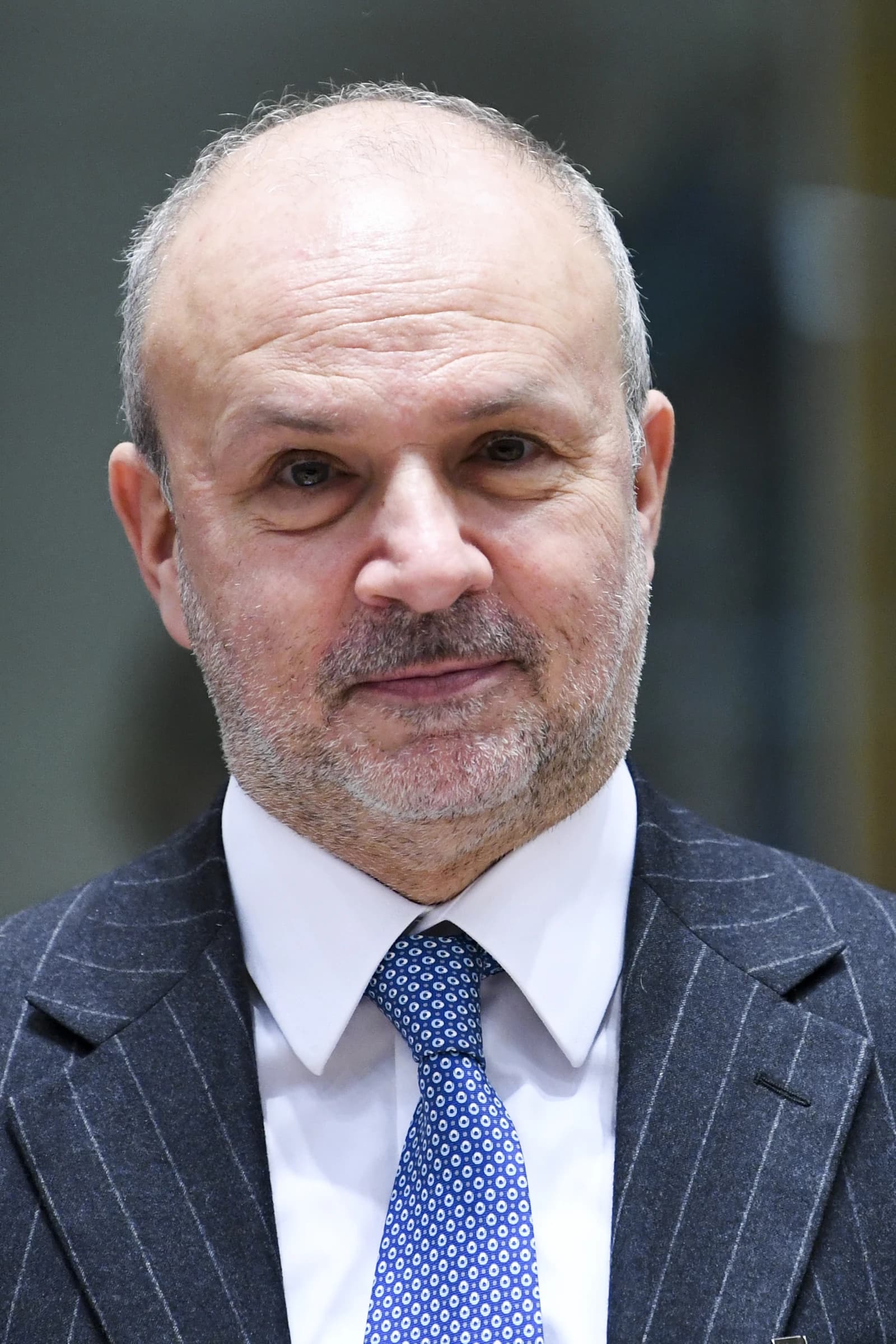
Italy’s accredited private healthcare operators are pressing for higher tariffs and looser budget caps after Health Minister Orazio Schillaci publicly described them as a strategic ally of the national health service, a stance that strengthens the sector’s case for deeper integration into strained public provision.
Italy private healthcare seeks higher tariffs
The remarks matter because they go to the heart of how Italy plans to cope with two of its most persistent health-system failures: long waiting lists and staff shortages. If accredited private providers are treated as part of the solution rather than a rival to the public system, Rome can expand capacity without waiting for a full rebuilding of public infrastructure. That would have economic implications well beyond healthcare, affecting household access to treatment, labour-market participation and the fiscal cost of delaying care.
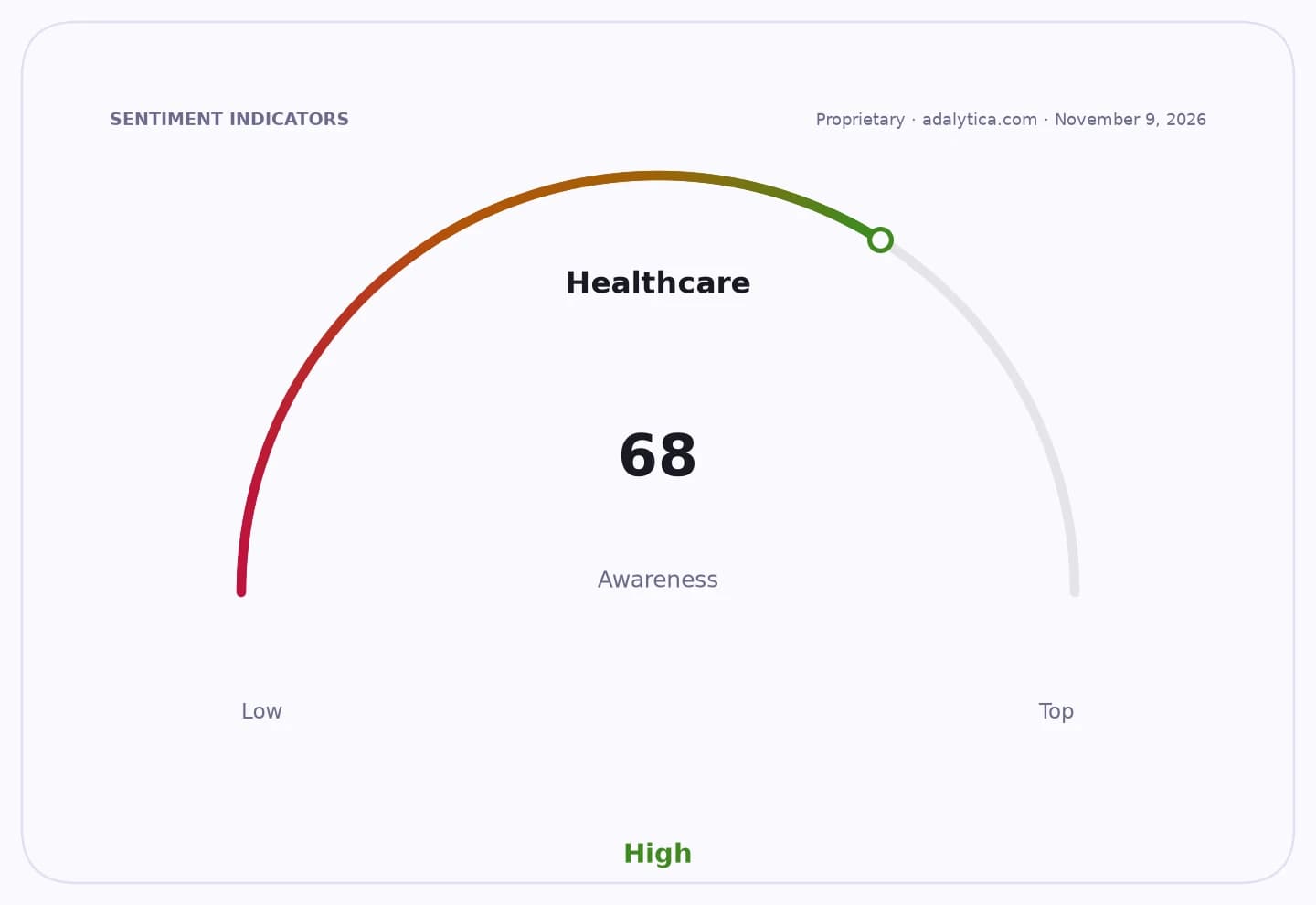
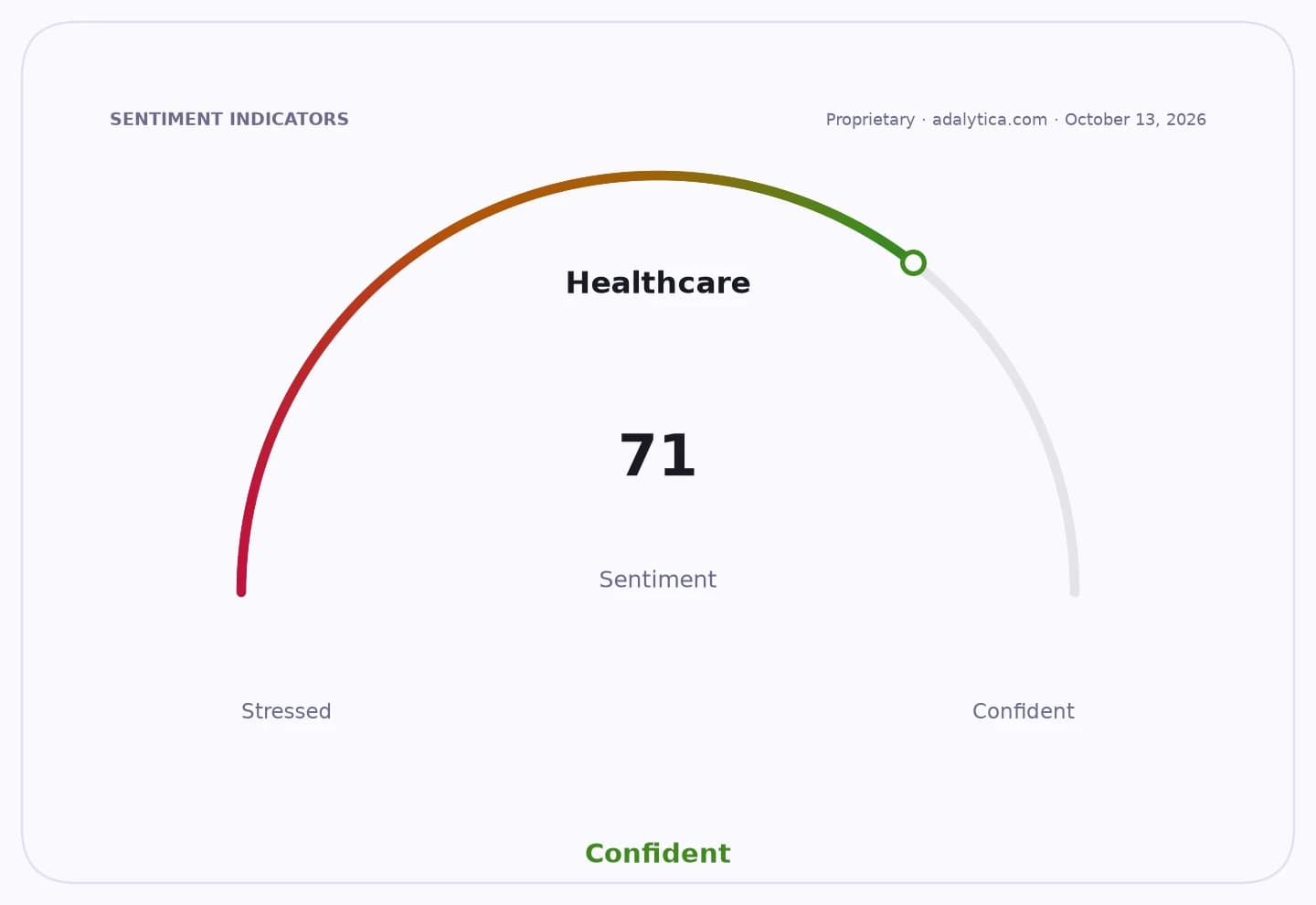
Sentiment Indicators
Michele Vietti, president of ACOP, the industry association, said the minister’s comments confirmed what the group has argued for years: that accredited private care is “part of the SSN” and indispensable for timely, quality treatment. He said the sector is ready to work with institutions, but only if the framework is economically sustainable, starting with tariff adjustments to match real costs and a revision of budget constraints so providers can keep investing and maintain continuity of care.
That demand is not just a lobbying point. Healthcare inflation has been persistent, with the consumer price index up sharply over the long run and still elevated in recent readings, while wage, energy and supply costs have continued to bite service providers. In that environment, fixed reimbursement rates and tight spending ceilings can squeeze margins, discourage investment and eventually reduce capacity. For private operators, the policy risk is that they are asked to absorb public-system pressure without receiving prices that reflect current costs.
Investors are watching the issue because reimbursement is the key variable for the profitability of hospital groups and other care providers. U.S.-listed peers such as HCA Healthcare, Universal Health Services and Tenet Healthcare have all cited government reimbursement and payor mix as central to revenue and cash-flow trends in their latest filings, underlining how sensitive the business is to policy. While Italy’s system is different, the principle is the same: when reimbursement lags inflation, earnings quality deteriorates even if patient demand remains strong.
The market backdrop also shows why the sector remains investable despite the policy uncertainty. HCA shares have surged to above $494, after briefly touching more than $510 this week, while UHS has climbed back near $196 and Tenet has moved above $283. Those moves reflect investor appetite for healthcare services businesses with defensive demand and pricing power. In Italy, accredited private providers could benefit if government rhetoric translates into a more stable reimbursement regime and a larger role in outsourced care.
The bear case is that political recognition does not automatically become funding. If tariff updates are delayed or budget ceilings remain rigid, the sector may be asked to fill gaps without being properly compensated. The bull case is that Schillaci’s language signals a policy shift toward integrated planning, which could ease bottlenecks, improve throughput and support medium-term investment.
For now, the key message is that Italy’s health ministry is moving closer to the private sector’s view that accredited providers are not ancillary but structural. Whether that becomes a meaningful economic support for the industry will depend on how quickly Rome turns words into reimbursement and budget reform.
| Entity | Gains | Losses |
|---|---|---|
| Accredited private providers | ▲Stronger policy legitimacy | ▼Less leverage if funding stalls |
| Public health system | ▲Extra capacity relief | ▼Pressure to share role |
| Patients | ▲Shorter waits, broader access | ▼Risk if reform is underfunded |
| State budget | ▲Potentially lower bottlenecks | ▼Higher near-term reimbursement costs |