Jakarta’s benchmark stock index is under sustained pressure as foreign investors have sold a net Rp126.74 trillion so far this year, a scale of outflow that is weighing on liquidity, currency sentiment and the broader risk appetite for Indonesian assets.
Jakarta Composite Index under pressure from foreign selling
The selling is economically significant because it comes alongside a weakening rupiah, uncertainty over MSCI index rules and a broader global de-risking triggered by a sharp selloff in AI-linked technology shares. That combination leaves local equities vulnerable to continued underperformance even as technical indicators suggest the market is already deeply oversold.
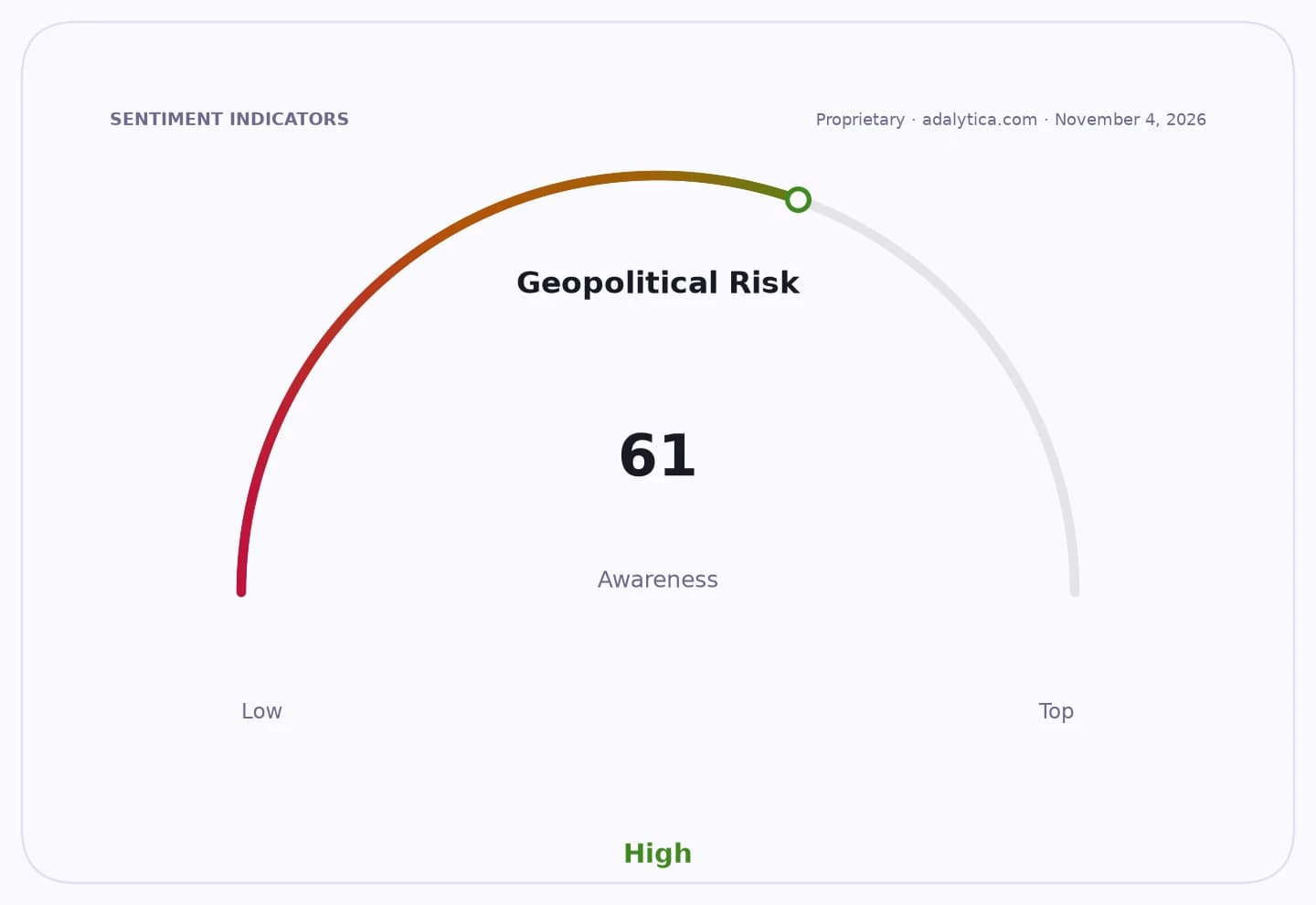
Sentiment Indicators
On Wednesday, the Jakarta Composite Index was expected to trade mixed but with a defensive bias. The index has fallen 43.28% year to date, underscoring how far investor confidence has deteriorated. The previous session brought another net foreign sale of Rp759.98 billion, reinforcing the view that overseas investors are still reducing exposure rather than hunting for value.
Technical signals are reflecting the strain. The relative strength index is in oversold territory but remains negative, while stochastic indicators also point lower and trading volume has eased. That suggests the market is not yet seeing the kind of capitulation that typically marks a durable bottom. Support is seen around 4,777 and 4,697, with resistance at 5,036 and 5,116.
For investors, the key issue is not just the size of the outflow but the message it sends about Indonesia’s place in global portfolios. Persistent foreign selling can pressure large-cap names, curb market depth and keep valuations depressed, particularly when the rupiah is soft and global funds are rotating toward cash and safer assets. If MSCI-related uncertainty persists, passive and active flows could remain cautious.
The external backdrop is adding to the stress. A bruising decline in AI and semiconductor stocks has rippled through Asian markets, with the Nikkei and South Korean equities also hit hard, as investors question the durability of high capex and earnings assumptions in the sector. That risk-off tone is spilling into emerging markets and amplifying local fragilities in Jakarta.
The immediate question for the JCI is whether oversold conditions can attract domestic support or whether continued foreign liquidation keeps the market trapped below key technical levels. Until global tech volatility eases, the rupiah steadies and policy uncertainty clears, Indonesian equities are likely to remain a market dominated by sellers.
| Entity | Gains | Losses |
|---|---|---|
| Foreign sellers | ▲Reduce exposure | ▼Exposed to further losses |
| Domestic bargain hunters | ▲Lower entry prices | ▼Face falling prices |
| Indonesian equities | ▲Potential oversold rebound | ▼Weak liquidity and sentiment |
| Rupiah | ▲Possible policy support if flows stabilize | ▼Pressure from capital outflows |