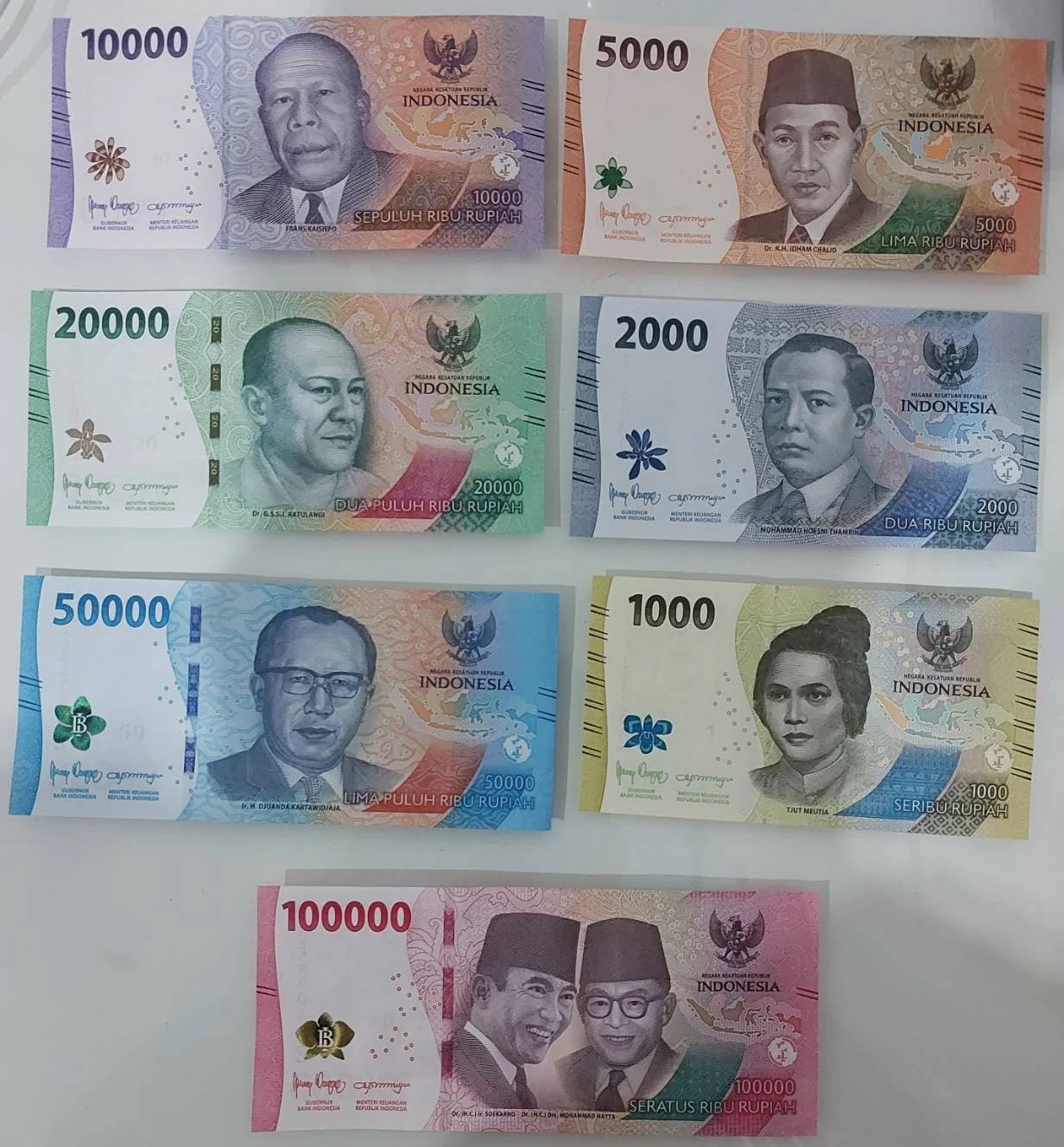
The rupiah’s slide to around IDR 18,060 per US dollar matters because it signals that Indonesia’s currency is now being driven less by one-off volatility and more by a deeper loss of confidence in the policy mix just as global dollar strength stays elevated.
Rupiah Falls to Around IDR 18,060 Per Dollar
That is the real story investors should focus on. On Thursday, the rupiah closed down 0.21% at IDR 18,060, after touching an even weaker official BI reference rate of IDR 18,047. In the wider market, the dollar remains supported by a higher-for-longer U.S. rate backdrop and persistent risk aversion, leaving emerging-market currencies with little room to breathe. The latest leg down also coincides with fresh scrutiny from Fitch Ratings, which said Indonesia’s medium-term growth outlook remains solid but still likely to fall short of the government’s ambitions.
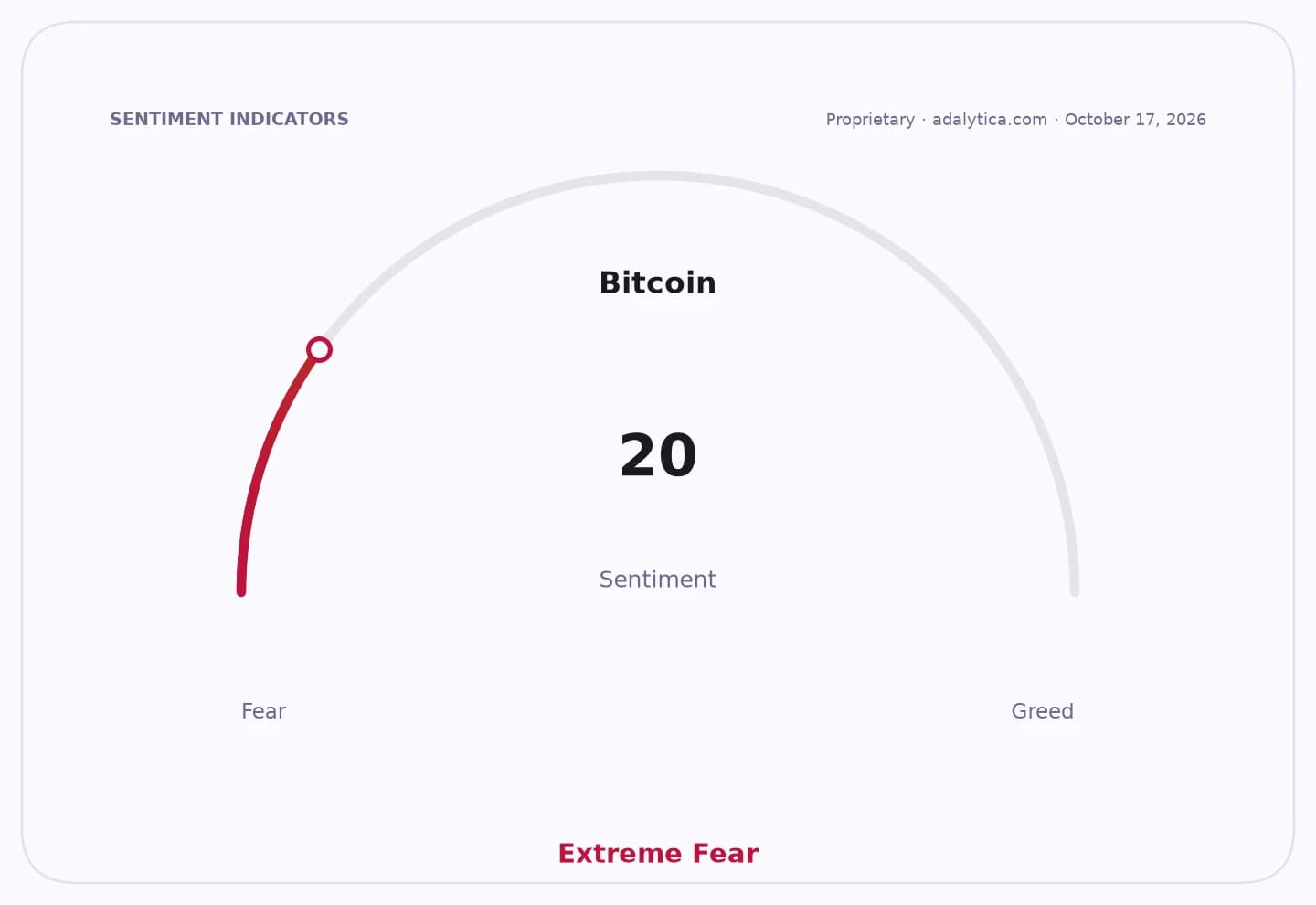
Sentiment Indicators
That gap matters for capital flows. When growth targets are repeatedly out of reach, investors begin to question whether fiscal, monetary and structural policies are aligned well enough to attract stable foreign money. Fitch’s warning about rising policy uncertainty and the erosion of consistency and credibility in the policy mix goes straight to the heart of currency valuation. Markets price not just growth, but trust — and a more centralized policy-making environment can become a headwind if it reduces transparency or predictability.
The technical picture reinforces that pressure. USD/IDR has pushed above its 50-day and 200-day moving averages, with RSI readings hovering near 70, a sign the move is extended but still being rewarded by the market. That suggests the rupiah’s weakness is not a brief overshoot; it is part of an established trend that has pushed the currency toward fresh extremes after earlier levels around IDR 17,000-17,800.
For investors, the implication is clear: Indonesian assets are likely to trade with a higher risk premium until the policy narrative improves. A weaker rupiah can help exporters and some commodity earners, but it squeezes importers, raises funding costs and can eventually feed inflation expectations. That combination is toxic for local equities that depend on imported inputs and for dollar borrowers exposed to currency mismatches.
The market is also reading the broader global setup correctly: U.S. monetary policy is still restrictive, with the Fed funds rate around 3.75% and the 10-year Treasury yield near 5%, keeping the dollar structurally supported. In that environment, the rupiah will likely need either stronger domestic policy credibility or a softer dollar backdrop to stage a durable recovery.
Until then, the message is uncomfortable but investable: this is not just a currency headline, it is a warning that Indonesia’s asset prices may need a larger discount to compensate for policy uncertainty and external dollar pressure. For investors looking for opportunity, the better trade may be selective exposure to export-linked Indonesian names rather than broad unhedged rupiah risk.
| Entity | Gains | Losses |
|---|---|---|
| Indonesian exporters | ▲Stronger rupiah earnings translation | ▼Local import costs |
| Dollar borrowers in Indonesia | ▲— | ▼Higher debt servicing burden |
| U.S. dollar assets | ▲Safe-haven demand | ▼— |
| Indonesian importers and consumers | ▲— | ▼Higher input and inflation pressure |