Bank Indonesia kept its benchmark rate unchanged at 5.75% while Indonesia’s rupiah remains under pressure and inflation edges closer to the top of the central bank’s target range, underscoring the narrow room policymakers have to support growth without upsetting currency stability.
Bank Indonesia Holds Rate at 5.75% as Rupiah Weakens
The decision reflects a familiar bind for emerging-market central banks: easing too soon risks accelerating capital outflows and weakening the rupiah further, while holding too tight could slow domestic demand just as inflation is being pushed higher by food and fuel costs. For investors, the message is that BI is still prioritizing exchange-rate defense over near-term growth support, even as the macro backdrop becomes more uncomfortable.
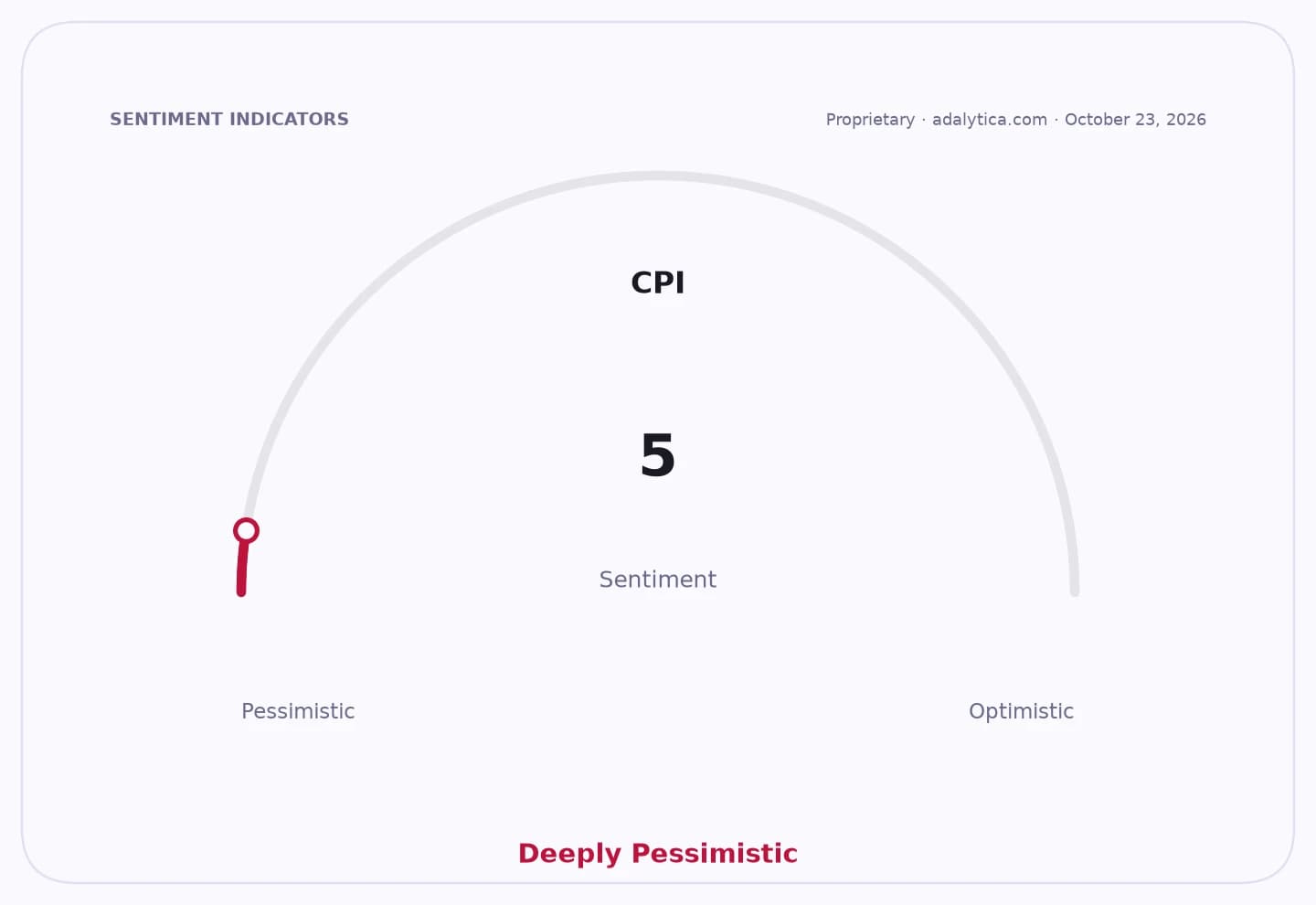
Sentiment Indicators

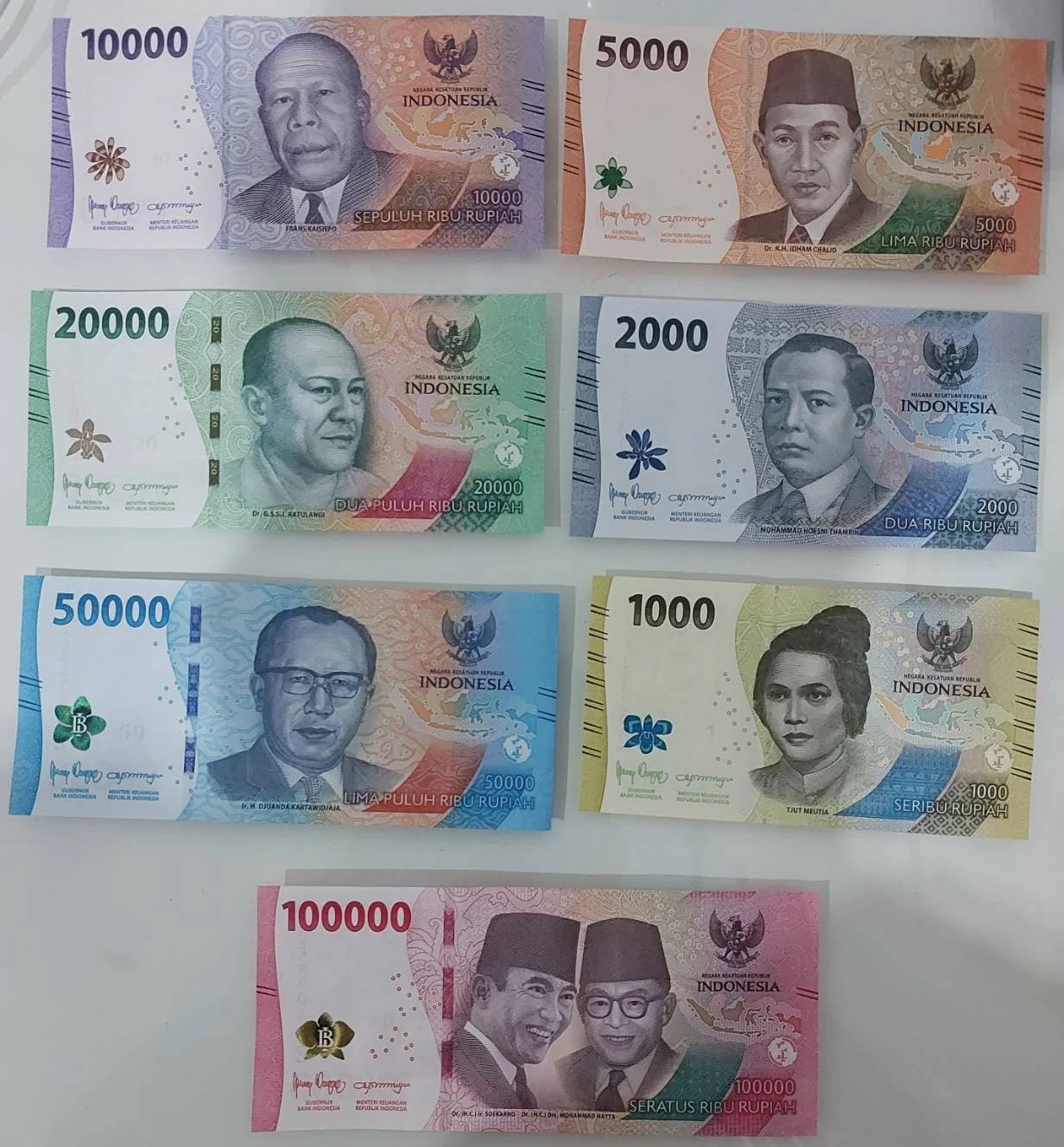
Inflation in Indonesia rose to 3.28% year on year in September, close to BI’s 3.5% upper target. At the same time, the rupiah weakened 1.22% month on month to 17,895 per dollar by Oct. 14, bringing year-to-date depreciation to 8.3% and making it one of the worst-performing emerging-market currencies outside Turkey’s lira, according to LPEM FEB UI.
That currency weakness is not happening in isolation. Foreign investors recorded a net portfolio outflow of about $50 million in the mid-September to mid-October period, with inflows into government bonds offset by heavier selling in equities. The pressure has been reinforced by uncertainty over the Federal Reserve’s next move, with markets still pricing the possibility of another US rate increase in December despite signs of cooling labor-market conditions.

The external backdrop matters because higher-for-longer US rates tend to support the dollar, tighten global financial conditions and make it harder for BI to loosen policy without risking more rupiah weakness. In practical terms, that limits the central bank’s ability to use rates as a growth tool and increases the likelihood it relies on foreign-exchange intervention and liquidity measures instead.
Domestic market volatility has added another layer to the dilemma. MSCI’s consultation on whether to reclassify Indonesia from emerging market to standalone market rattled investors and sent the Jakarta Composite Index down 11.57% on Oct. 16, its steepest daily drop since January 1998. Foreign investors sold a net $180 million of Indonesian equities that day, a sign that market structure concerns can quickly feed into broader risk aversion.
For equities, the combination of a weaker currency, sticky inflation and policy caution is usually a mixed picture. Banks and domestically oriented names may benefit if BI avoids further tightening, but valuation multiples across the market remain vulnerable if foreign outflows resume or if the rupiah comes under renewed speculative pressure. Imported-cost sectors and companies with dollar liabilities face the sharpest squeeze.
The near-term outlook now depends on which pressure eases first. If US yields stop rising and capital flows stabilize, BI may gain flexibility to pivot later this year or in early 2027. But if the dollar strengthens again, or if inflation in Indonesia moves closer to the top of target, policymakers may have to keep rates elevated longer than the market wants.
| Entity | Gains | Losses |
|---|---|---|
| Bank Indonesia | ▲Currency stability | ▼Policy flexibility |
| Rupiah supporters | ▲Stronger defense of IDR | ▼Easier monetary conditions |
| Indonesian equities | ▲Potential rate stability | ▼Foreign selling risk |
| Foreign investors | ▲Higher bond yields | ▼FX and market volatility |