Jakarta’s Rp 876.7 billion school renovation drive is becoming a visible test of how far public spending can improve education delivery in the capital, with 16 of 19 targeted school buildings already completed and three still being wrapped up.
Jakarta Renovates 16 of 19 Schools in Rp 876.7 Billion Drive
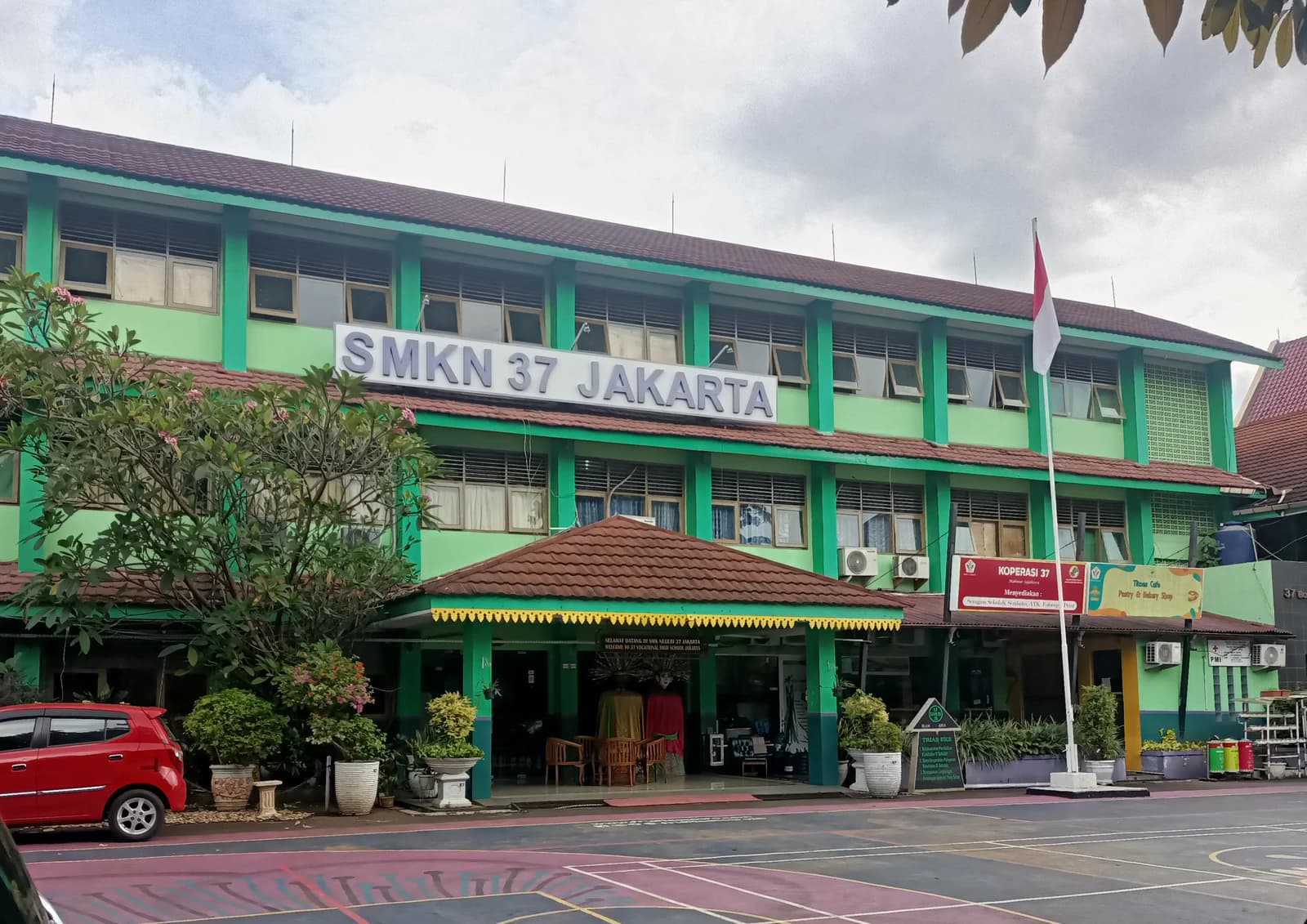
The renovation program matters economically because school infrastructure is part of the public capital stock: better buildings can reduce maintenance backlogs, improve safety, and support higher attendance and more effective teaching. For Jakarta, where demand for quality education remains concentrated and space is tight, upgrading schools is not just a social policy but a long-term productivity investment.
Sentiment IndicatorsⓘProprietary · adalytica.com · October 12, 2026
This is a snapshot — live sentiment, awareness and momentum for 130+ markets update continuously in the dashboard.Open AlphaPulse
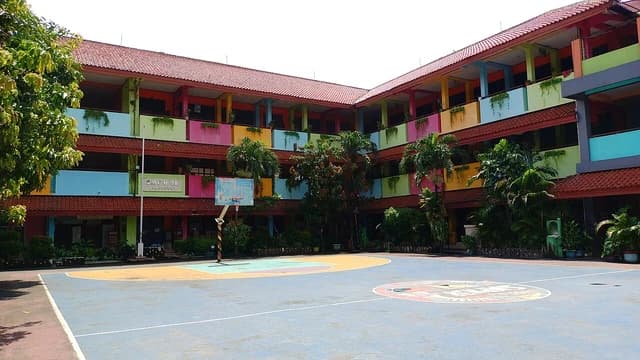
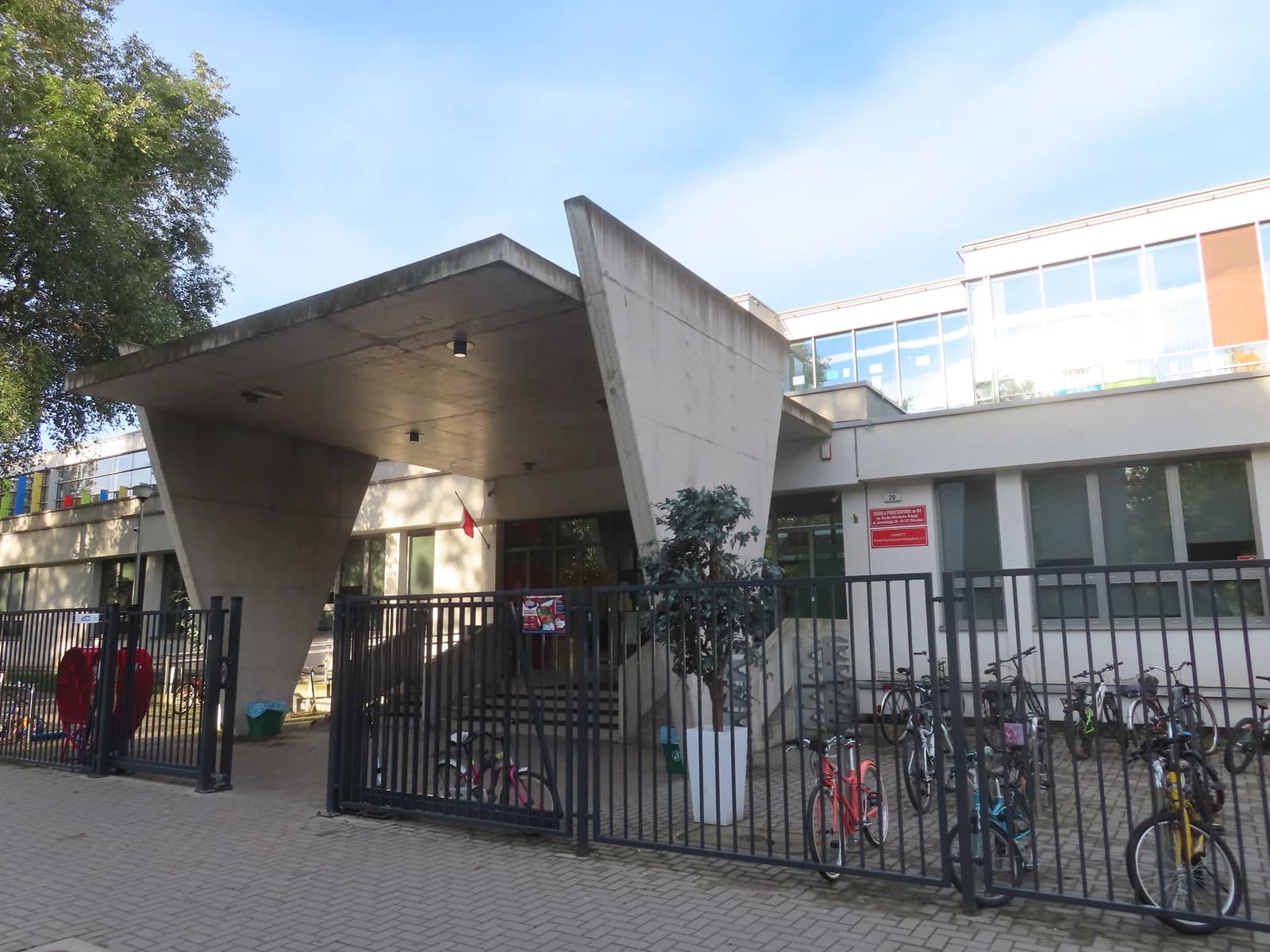
Governor Pramono Anung said the projects are meant to give students and teachers “safe, comfortable and modern” facilities, underscoring that the current phase is focused less on expansion than on lifting the quality of existing assets. The completed works span kindergarten, primary, junior high, senior high and vocational schools across all five administrative areas, suggesting the program is broad-based rather than concentrated in a single district or school type.
Among the sites renovated are SDN Tegal Alur 02/04, SMAN 33 Jakarta, SMPN 130 Jakarta, SDN Pondok Bambu 01, SMPN 91, and SMKN 55 Jakarta. The city has also converted SDN Jati Pulo 08 Pagi into a new junior high school unit, SMPN 298, and added USB SMPN 299 in South Jakarta, showing the project is being used not only to repair buildings but also to reconfigure capacity where student demand is evolving.
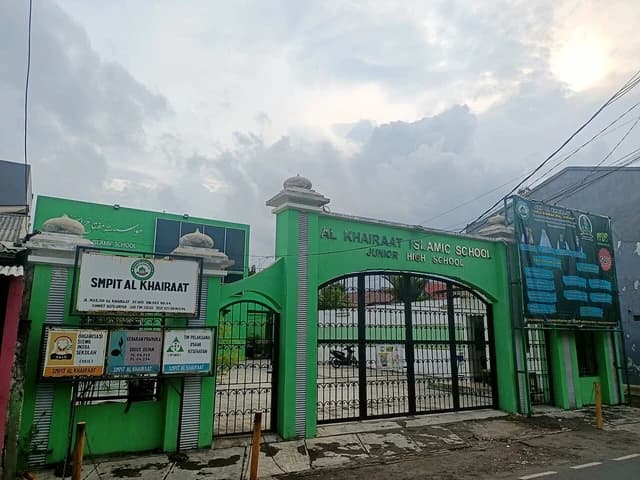
That broader strategy has investor relevance even though it is a government spending story rather than a listed-company one. Large-scale school infrastructure programs support contractors, building-material suppliers and local labor demand, while also signaling how city governments allocate capex under fiscal constraints. If Jakarta keeps renewing schools at this pace, it could lift recurring work for small and mid-sized construction firms and related service providers, though margins will depend on procurement discipline and execution risk.
The remaining three projects will determine whether the program is judged as a quick-win infrastructure push or the start of a longer modernization cycle. For parents, teachers and students, the immediate payoff is a safer learning environment. For policymakers, the harder question is whether Jakarta can sustain this level of spending and keep maintenance from building up again.
| Entity | Gains | Losses |
|---|---|---|
| Jakarta students and teachers | ▲safer, modern classrooms | ▼disruption during works |
| Local contractors and suppliers | ▲renovation contracts | ▼tighter procurement margins |
| Pemprov DKI Jakarta | ▲political credit for delivery | ▼budget pressure |
| Schools with ageing buildings | ▲upgraded facilities | ▼deferred projects elsewhere |