Jammu and Kashmir’s post-Article 370 reset is being pitched by the Modi government as more than a political change: New Delhi says it is now feeding into the broader economic and social case for “Developed India 2047,” even as security forces keep up pressure on militants in the region.
Jammu and Kashmir Reset Tied to Developed India 2047
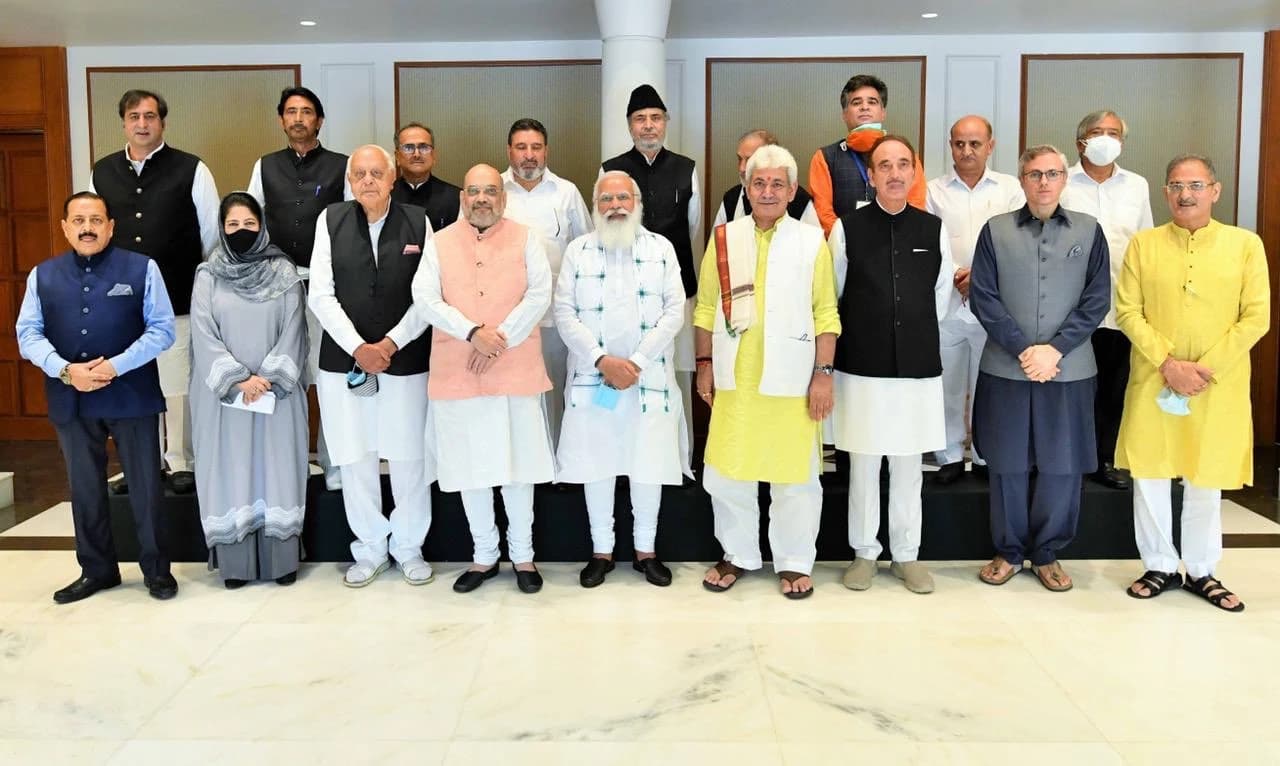
Union minister Jitendra Singh said the biggest shift in the territory is a change in mindset, with young people showing more confidence and bigger aspirations after the revocation of Article 370 in 2019. He said that matters because stable security and equal rights are seen as preconditions for private investment, infrastructure buildout and long-term job creation in a region that has spent decades under insurgency risk.
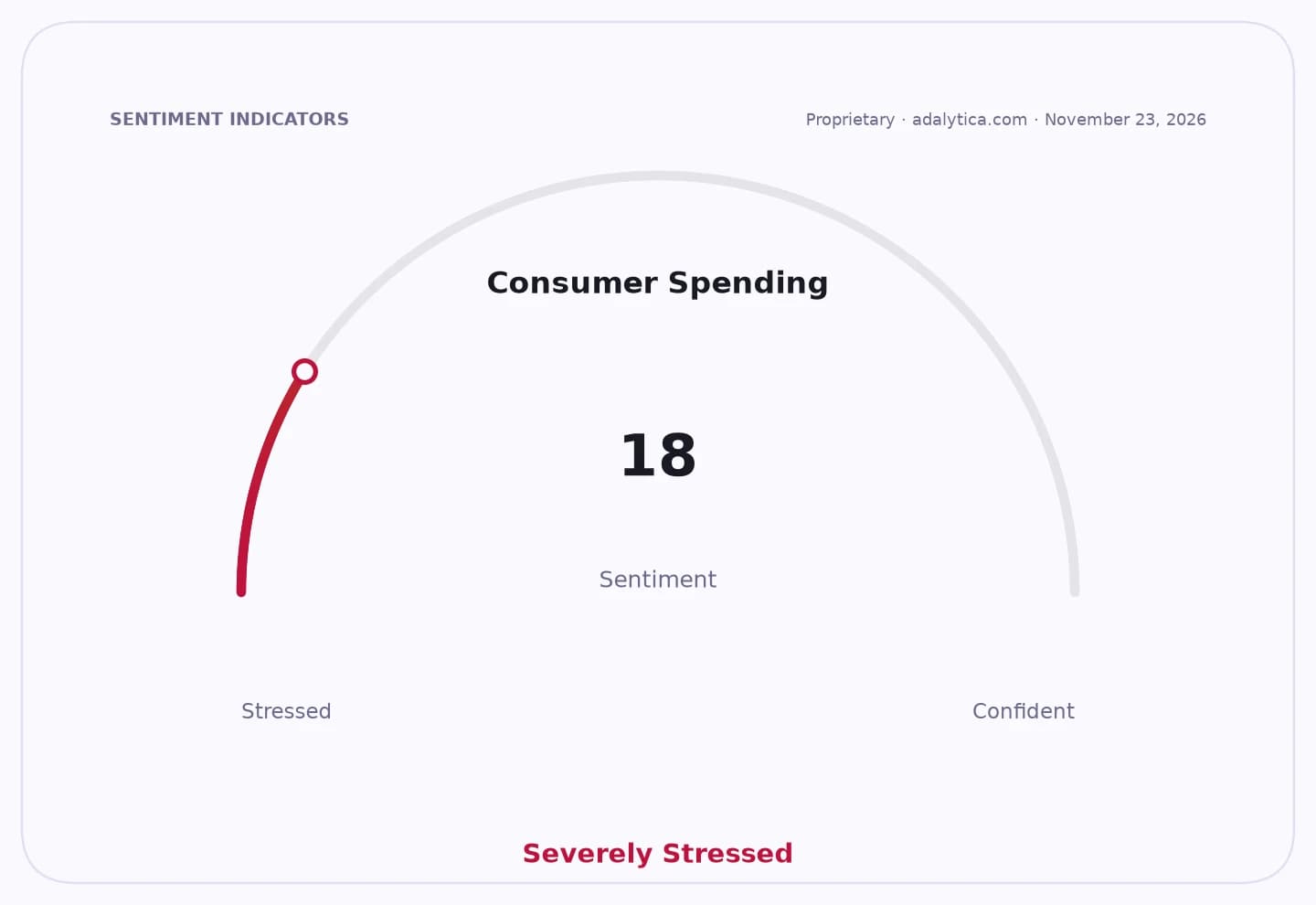
Sentiment Indicators
Singh pointed to what he described as a rare security milestone, saying this October was the first in nearly 40 years when not a single CRPF jawan was killed in the month. That comes as Indian security forces continue counterinsurgency operations, including the killing of Lashkar-e-Taiba commander Latif Bhat in Kulgam in a joint encounter with the army and Jammu and Kashmir Police, underscoring that the situation has improved but remains fragile.
For investors, the significance is less about the speech itself than the policy narrative it reinforces. The government is trying to frame Jammu and Kashmir as a place where infrastructure expansion, connectivity and a more normal business environment can gradually unlock consumption, tourism and public-works demand, while reducing the security discount that has long weighed on the region.
Singh, speaking at the release of a book on Jammu and Kashmir, linked the changes directly to Prime Minister Narendra Modi’s leadership and said the territory is entering a “better phase.” The message is aimed at both domestic politics and economic credibility: if the government can sustain lower violence, it strengthens the case for deeper integration, more mobility and more durable development spending.
The key risk is that the progress remains dependent on security gains that can reverse quickly. Any fresh attack or spike in militancy would again test the government’s development thesis, while investors will watch whether the calmer backdrop translates into tangible private-sector activity rather than just a political narrative.
| Entity | Gains | Losses |
|---|---|---|
| Jammu and Kashmir residents | ▲Better security outlook | ▼Lingering militancy risk |
| Modi government | ▲Stronger “Developed India” narrative | ▼Pressure to sustain stability |
| Investors and businesses | ▲Lower security discount | ▼Policy and security uncertainty |
| Militant networks | ▲None | ▼Greater counterinsurgency pressure |