Japan’s annual minimum wage increase is still moving higher, but the latest round shows the regional bidding war over pay is finally cooling.
Japan minimum wage rises 56 yen, pace cools

All 47 prefectures have now set this year’s hourly minimum wage changes, and the nationwide weighted average increase came to 56 yen, just 1 yen above the central government’s guideline of 55 yen. That is a sharp contrast with last year, when many prefectures piled on extra increases to avoid being stuck near the bottom of the national rankings.
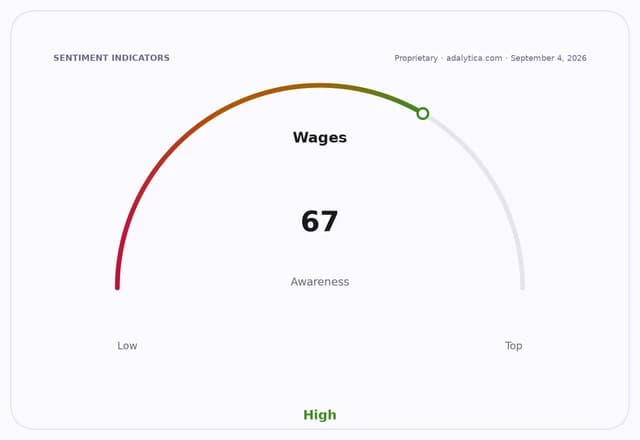
For investors, that matters because minimum wage policy is one of the clearest windows into Japan’s labor inflation story. Rising wages can support household spending and help the Bank of Japan’s long fight to normalize prices, but they also squeeze margins for small and midsize companies that dominate Japan’s domestic economy. This year’s calmer outcome suggests wage growth is still advancing, but at a pace businesses may be better able to absorb.
The biggest change is not the size of the increases, but the tone of the debate. Last year, 11 prefectures lifted wages by more than 10 yen above the government’s benchmark, including Kumamoto with an 18-yen top-up. This year, the largest above-guideline increase was just 9 yen in Saga prefecture. Even Kochi, which had been the lowest-paid prefecture last year, moved up 7 yen and avoided the bottom spot, but officials there said the conversation was no longer about avoiding last place at any cost.
That moderation tracks with inflation. Consumer price gains over the period used in the deliberations averaged 2.1%, down from 3.9% a year earlier, while food inflation eased to 4.3% from 6.4%. With price pressure less intense, the political and social urgency to force aggressive wage catch-up has faded.
There is also a policy shift at work. Last year, under Prime Minister Shigeru Ishiba’s government, ministers openly pushed governors for larger increases. This year, that pressure was absent, and one central wage council member said the result reflected market conditions rather than politics. That makes the process look more sustainable, and less like a one-off burst of wage signaling.
For employers, the good news is that the effective dates are arriving sooner. In 43 prefectures, the changes will take effect earlier than last year, when some areas delayed implementation until year-end or even into the following spring. This year, even the latest start date is December 2 in Okinawa. That should make the wage increase more meaningful for workers and less distortive for businesses trying to plan staffing and pricing.
The long-term story is that Japan is still inching toward a labor market where wages rise more naturally with prices, but without the panic of a regional race to the top. That is constructive for consumption, constructive for domestic-demand companies with pricing power, and a reminder to investors that Japan’s wage trend is becoming more orderly. The pace may be less dramatic than last year, but the direction still favors higher nominal incomes over time.
| Entity | Gains | Losses |
|---|---|---|
| Workers in lower-wage prefectures | ▲Higher hourly pay | ▼Slowest wage catch-up |
| Small and midsize employers | ▲More predictable costs | ▼Less room to absorb labor expense |
| Domestic consumption sectors | ▲Better household income support | ▼Margin pressure from wage growth |
| Local governments and policymakers | ▲Less political heat | ▼Less leverage to force aggressive hikes |