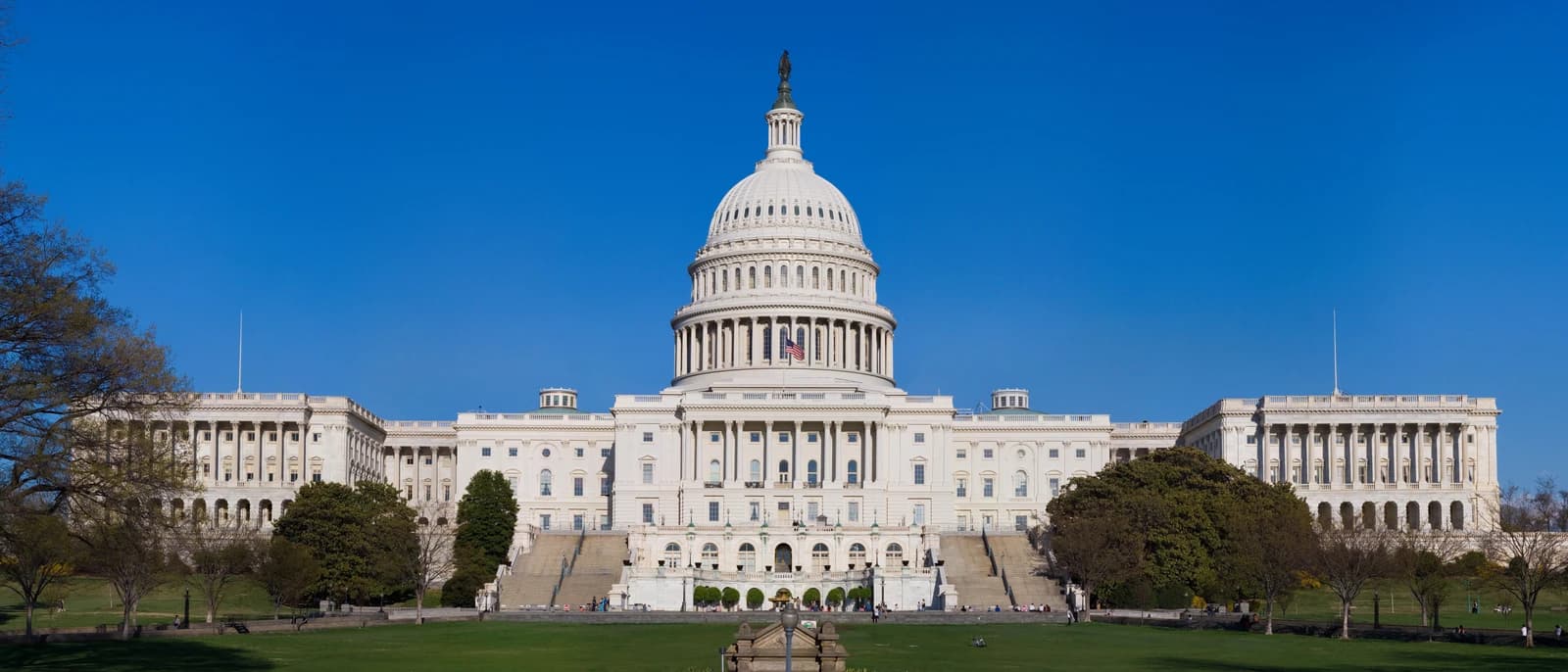
JPMorgan is telling investors the next U.S. electoral turn may not move the whole market so much as reshuffle who wins inside it, with the biggest opportunity likely in sectors tied to fiscal policy, regulation and the next leg of AI spending.
JPMorgan sees election sector rotation, not market timing

That matters because the bank’s framework points to a classic second-order trade: broad indexes can keep grinding higher while the real money is made in the stocks most exposed to Washington’s next move. JPMorgan’s call effectively turns the election into a stock-picker’s event, not a market-timing one, and that is where the asymmetry lies.
Sentiment IndicatorsⓘProprietary · adalytica.com · October 7, 2026
This is a snapshot — live sentiment, awareness and momentum for 130+ markets update continuously in the dashboard.Open AlphaPulse
Under a divided Congress, JPMorgan says policy paralysis would be constructive for equities because it lowers the odds of disruptive legislation. The bank cites historical data going back to 1950 showing the S&P 500 gained about 21% in the two years after elections that produced gridlock, versus 18% when one party controlled Congress. That is not a forecast for the next cycle, but it does reinforce the market’s preference for fewer policy surprises.
The names JPMorgan flagged for that outcome — Gilead Sciences, Oracle, Meta Platforms, Sherwin-Williams, ExxonMobil, Orion Group, MGM Resorts, CoreWeave and SpaceX — map neatly onto areas where stable rules and continued public spending matter more than sweeping reform. Defense and infrastructure names benefit from bipartisan funding, while artificial intelligence leaders face less risk of fresh restrictions if lawmakers remain split.
A Democratic sweep would shift the playbook. JPMorgan sees upside in hospitals, Medicaid-exposed insurers and clean-energy-linked utilities and services, including Centene, Molina Healthcare and NextEra Energy, alongside Baker Hughes, Valmont Industries, Flutter Entertainment, Western Union and Salesforce. The logic is straightforward: any effort to delay or roll back Medicaid cuts would support managed care and hospital margins, while more generous environmental or green-energy funding would ripple through utilities and industrial suppliers.
The most durable theme, though, is AI. JPMorgan says investment in artificial intelligence should keep rising after the election and could accelerate again in 2027 and 2028, which is exactly why the market may be underestimating the second-order winners. Even if the election changes the policy backdrop, it does not change the capex supercycle behind compute, power, data-center buildout and cybersecurity. That is why stocks tied to energy, defense, finance and infrastructure keep showing up across the bank’s scenarios.
The broader market is already rich enough to limit the easy upside. SPY, which tracks the S&P 500, has climbed to 779.09 from 645.30 in March, and technical readings show the index extended above its 50-day and 200-day moving averages with RSI at 73.6, a level that often suggests the rally is overheated. Adalytica’s S&P 500 trade signals also show extreme greed, underscoring the risk that the index itself has less room to run than the sector winners JPMorgan is highlighting.
That makes the trade for investors less about chasing the index and more about positioning for policy dispersion. If Washington ends up divided, the beneficiaries are likely to be AI infrastructure, defense, energy and stable-growth compounders. If Democrats gain control, Medicaid, renewables, environmental services and select industrials become the cleaner expression. Either way, the election is not the thesis — the capital flows that follow it are. The best move now is to own the toll roads to the next policy regime, not the market average.
| Entity | Gains | Losses |
|---|---|---|
| Divided Congress | ▲Policy stability; fewer shocks | ▼Reform-driven sectors |
| Democrats control both chambers | ▲Medicaid, renewables, environmental names | ▼Defense, fossil fuels |
| AI infrastructure plays | ▲Continued capex cycle | ▼Regulatory uncertainty if rules tighten |
| Broad S&P 500 | ▲Limited benefit versus sector rotation | ▼Returns compressed by rich valuations |