Jamie Dimon’s meeting with UK Chancellor Rachel Reeves comes as Britain weighs whether to make banks help plug a fiscal hole, a move that could hit lending, profits and the appeal of the sector for global investors.
JPMorgan Meets UK Chancellor on Bank Levy
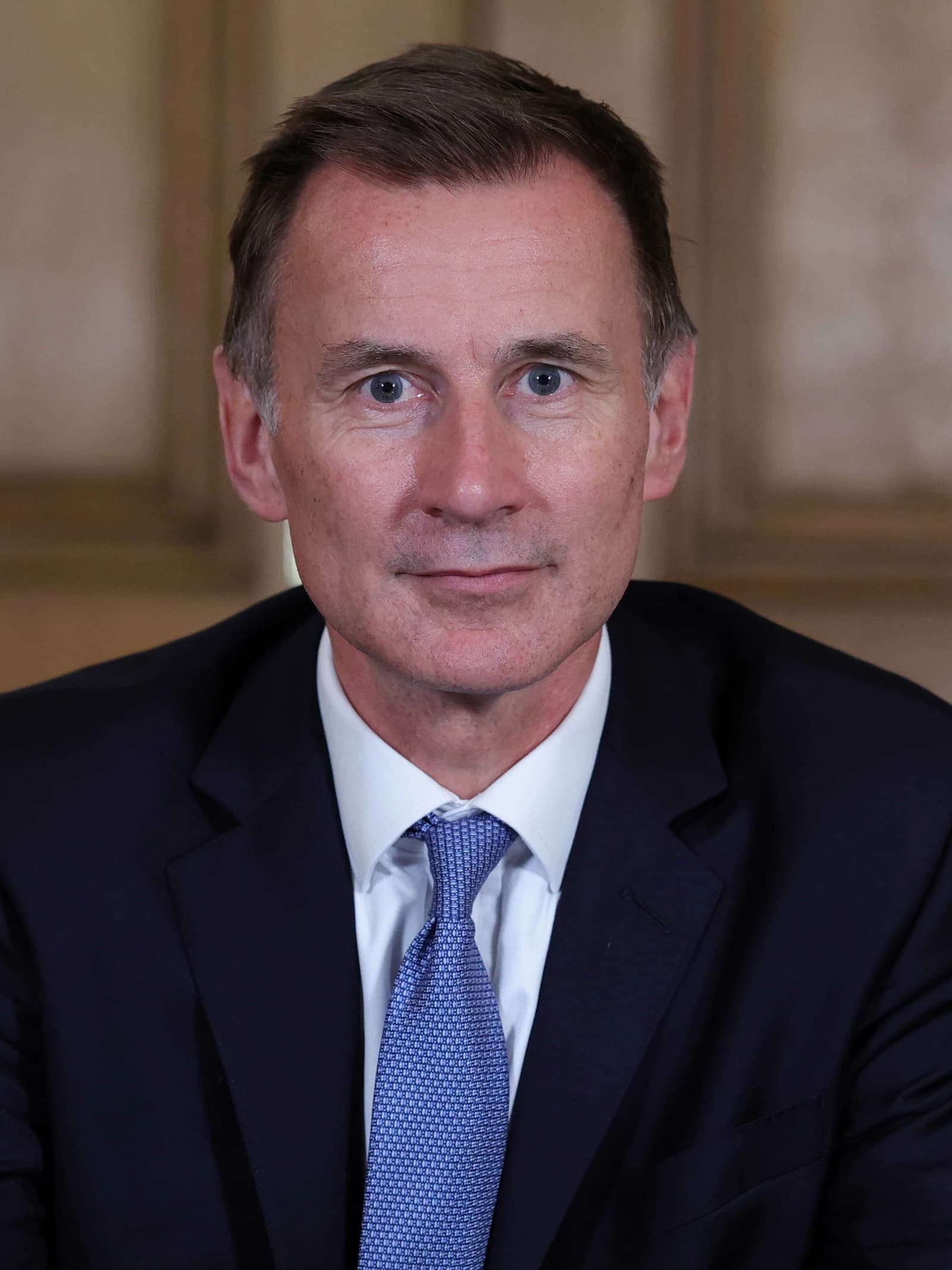
For the UK, a windfall levy may look like a quick revenue fix. For lenders, it risks becoming a longer-lasting tax on capital generation at a time when credit demand remains sensitive to growth, rates and regulatory pressure. Dimon, whose bank is one of the world’s most profitable and systemically important, is expected to argue that extra taxes on banks would ultimately be paid through weaker loan growth, tighter pricing or lower returns to shareholders.
Sentiment IndicatorsⓘProprietary · adalytica.com · September 10, 2026
This is a snapshot — live sentiment, awareness and momentum for 130+ markets update continuously in the dashboard.Open AlphaPulse

The issue matters beyond JPMorgan because London is still trying to position itself as a competitive financial centre while also asking banks to contribute more to public finances. A new levy would land on top of existing corporation taxes and sector-specific charges, reinforcing fears that policy makers see the banking system less as a growth engine than as a revenue source of last resort. That is especially relevant for international lenders with large UK operations, including HSBC and Britain’s domestically focused banks.
Investors tend to view bank windfall taxes as more than a one-off earnings hit. They can alter capital allocation, dividend assumptions and buyback plans, and they can widen the gap between jurisdictions that reward financial intermediation and those that tax it more aggressively. For firms like JPMorgan and HSBC, the question is not only how much tax is paid, but whether the policy climate raises the hurdle rate for future investment in the UK.
JPMorgan shares have remained well above their 200-day moving average and close to recent highs, suggesting investors have continued to favor the bank’s earnings power and capital returns even as the stock has eased from earlier peaks. HSBC has also outperformed over the longer run, but the latest moves in both names show how quickly sentiment can change when policy risk enters the frame. In broader markets, U.S. equity sentiment remains in “Extreme Fear” territory in Adalytica’s S&P 500 trade signals, underscoring how sensitive investors are to any new margin pressure or policy surprise.
The political attraction of a bank levy is obvious: it is visible, targeted and easier to defend than broader tax increases. The economic downside is also clear: banks are not passive cash cows, and a recurring levy can bleed into credit supply and competitiveness over time. The next focus will be whether Reeves treats the proposal as leverage in talks with lenders or as a policy she is prepared to pursue, a distinction that will determine whether this becomes a brief lobbying flare-up or a fresh test for the UK’s financial hub ambitions.
| Entity | Gains | Losses |
|---|---|---|
| UK Treasury | ▲More revenue | ▼Bank lobbying pressure |
| UK borrowers | ▲Possible policy restraint if levy is dropped | ▼Tighter credit if levy is imposed |
| JPMorgan/HSBC shareholders | ▲Avoided tax burden if talks succeed | ▼Lower returns if levy is enacted |
| UK banks vs global investors | ▲Policy clarity if no levy | ▼Confidence and valuation if tax risk rises |