Karnataka’s budget squeeze has moved from political talking point to fiscal warning sign, with the finance department reportedly telling the state it is not eligible for new loans and has little room to fund fresh schemes.
Karnataka budget squeeze limits borrowing and spending
That matters because when a state says its treasury cannot support new borrowing, the pressure quickly spreads from politics to the real economy. Spending on drought relief, drinking water and pending infrastructure bills becomes harder to finance, and that can delay payments to contractors, suppliers and state-run utilities that depend on timely cash flow.
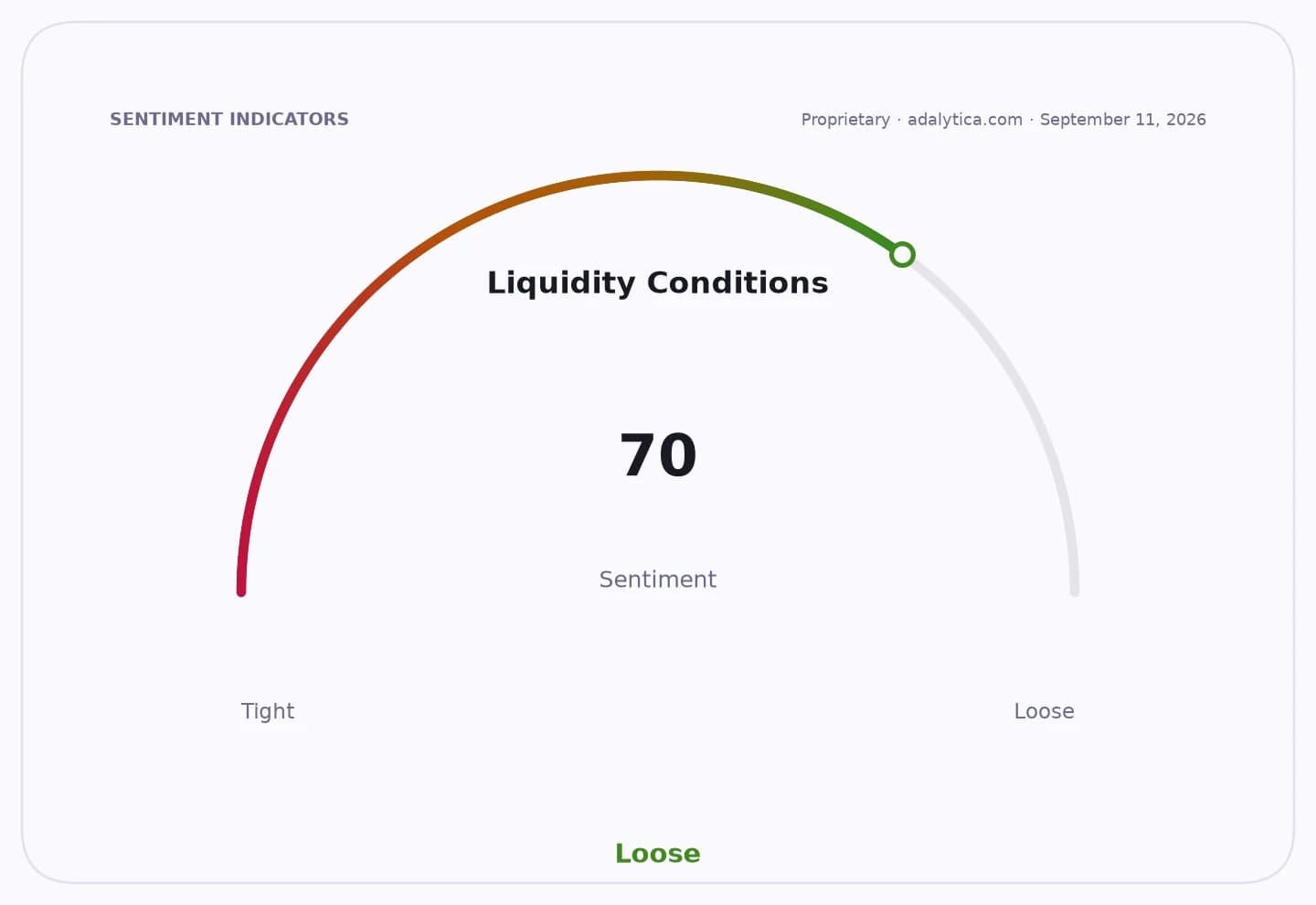
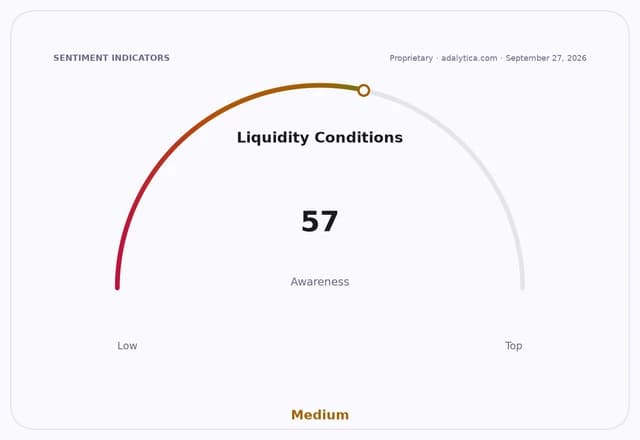
Sentiment IndicatorsⓘProprietary · adalytica.com · September 27, 2026
This is a snapshot — live sentiment, awareness and momentum for 130+ markets update continuously in the dashboard.Open AlphaPulse
Opposition leader R. Ashok said he showed a finance department letter dated this month that laid out the strain, arguing the government has already used up much of its borrowing headroom. He pointed to a fiscal deficit of 2.95% last year, close to the 3% ceiling under state fiscal rules, and said outstanding liabilities have climbed to 24.94% of gross state domestic product, just below the 25% limit. In his telling, the state has effectively run out of room to raise more debt without breaching prudential norms.
He also cited about 36,136 crore rupees in unpaid bills across key departments such as public works and water resources, with total pending works bills at roughly 2 lakh crore rupees. That is a serious number for a state already grappling with drought, because delayed payments can ripple through the construction sector, local vendors and labor markets. For investors, the bigger issue is that weak public finances can cap growth just when economic support is needed most.
The government pushed back, with Deputy Chief Minister D.K. Shivakumar saying the administration knows which schemes to prioritize and that it has already rolled out five guarantee programs to support households. But that defense only underscores the central tension: Karnataka is trying to balance welfare spending with a shrinking fiscal cushion.
For investors, this is a reminder that state-level fiscal stress can outlast the headlines. If Karnataka has to keep diverting resources to emergency relief and debt service, capital spending may stay muted and payment delays could persist. That would be a headwind for contractors, utilities and lenders with exposure to the state, while households may feel the pressure through slower public services and fewer new projects. Worth watching, because fiscal strain often shows up in earnings later than it does in politics.
| Entity | Gains | Losses |
|---|---|---|
| Karnataka government | ▲short-term political cover from guarantees | ▼fiscal flexibility |
| Contractors and suppliers | ▲fewer payment delays if bills are cleared | ▼cash flows from pending works |
| State utilities and lenders | ▲support if the treasury stabilizes | ▼exposure to payment stress |
| Taxpayers and households | ▲relief spending in a drought year | ▼slower capital spending |