Coconut prices in Karnataka have dropped by about ₹3,000 a quintal, squeezing farmers and raising pressure on traders and processors as a glut in supply meets weaker demand.
Karnataka coconut prices fall on supply glut
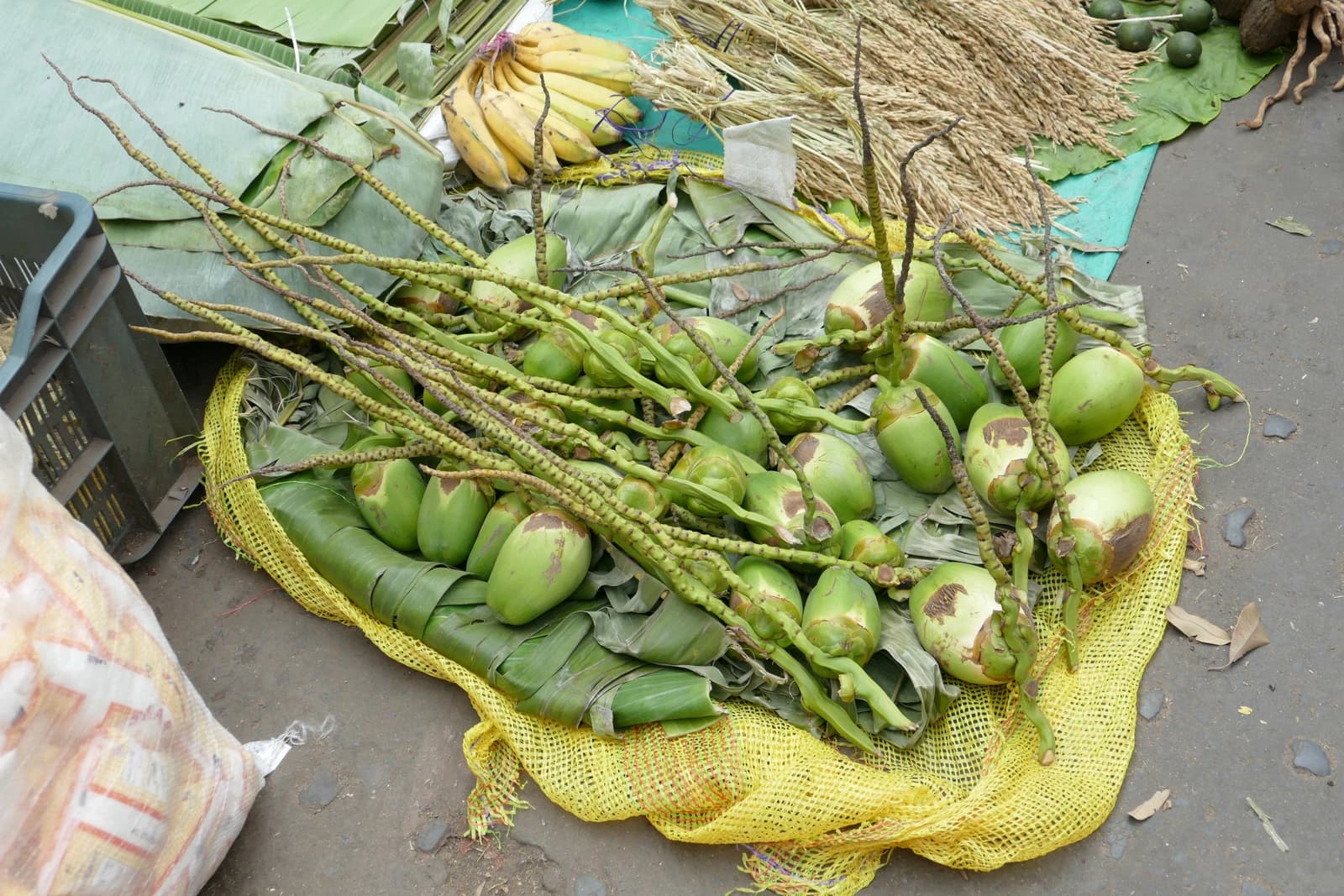
The decline is most acute in Hassan and surrounding growing belts, where farmers say premium coconuts are now fetching sharply less than in recent weeks. The price slide has turned what is usually a relatively stable cash crop into a source of immediate stress for growers who rely on weekly market sales for income and working capital.
Economically, the fall matters because coconut is not a marginal crop in southern India: it feeds household consumption, the edible oil and food-processing chain, and a wide network of traders, small businesses and transporters. When prices drop this fast, farmgate income can fall before costs do, compressing margins for smallholders who face fixed expenses for labour, irrigation and upkeep. That raises the risk of delayed harvests, distressed selling and lower investment in the next crop cycle.
The immediate trigger is a mismatch between demand and supply. Traders in the region point to a reduction in buying interest even as arrivals have risen, putting pressure on mandi prices. That dynamic is especially painful in a crop like coconut, where farmers cannot easily store produce for long periods without quality loss, giving buyers more leverage when market conditions weaken.
For investors and agribusiness operators, the price slump has mixed implications. Lower raw-material costs can help processors, food manufacturers and coconut-oil users if the decline persists, but only if demand holds and the fall does not reflect broader weakness in end-market consumption. For plantation-linked businesses and rural lenders, however, the risk is clear: weaker farm incomes can raise credit stress, reduce input spending and hit procurement volumes later in the year.
The broader backdrop is a reminder that agricultural markets can swing sharply even in commodities that are often seen as defensive. In this case, the story is not just about a lower coconut price but about a local farm economy under strain, where supply conditions and demand shifts are quickly feeding into farmer distress.
If arrivals remain heavy and offtake does not recover, prices could stay under pressure into the next marketing cycle. The key for the market will be whether buying returns from food, oil and export channels, or whether farmers are left absorbing a further round of price erosion.
| Entity | Gains | Losses |
|---|---|---|
| Processors | ▲Lower input costs | ▼Farmers’ weaker bargaining power |
| Coconut buyers | ▲Cheaper procurement | ▼Price stability |
| Smallholders | ▲— | ▼Lower farmgate income |
| Local traders | ▲Higher volume opportunities | ▼Margin pressure from volatility |