Laborers in Karnataka’s Savadatti taluk have uncovered 14 gold coins worth about ₹8.27 lakh, a small discovery in rupee terms but one that could carry far greater historical value if archeologists confirm the coins are 800 to 1,000 years old.
Gold Discovery in Karnataka Revives Bullion Focus

The coins were found in Inchal village near a BCM hostel while workers were digging at a site tied to local development work. They were handed over to officials and deposited in the treasury, a quick transfer that removed any immediate risk of looting and underscored how fragile India’s buried heritage can be when construction collides with history.
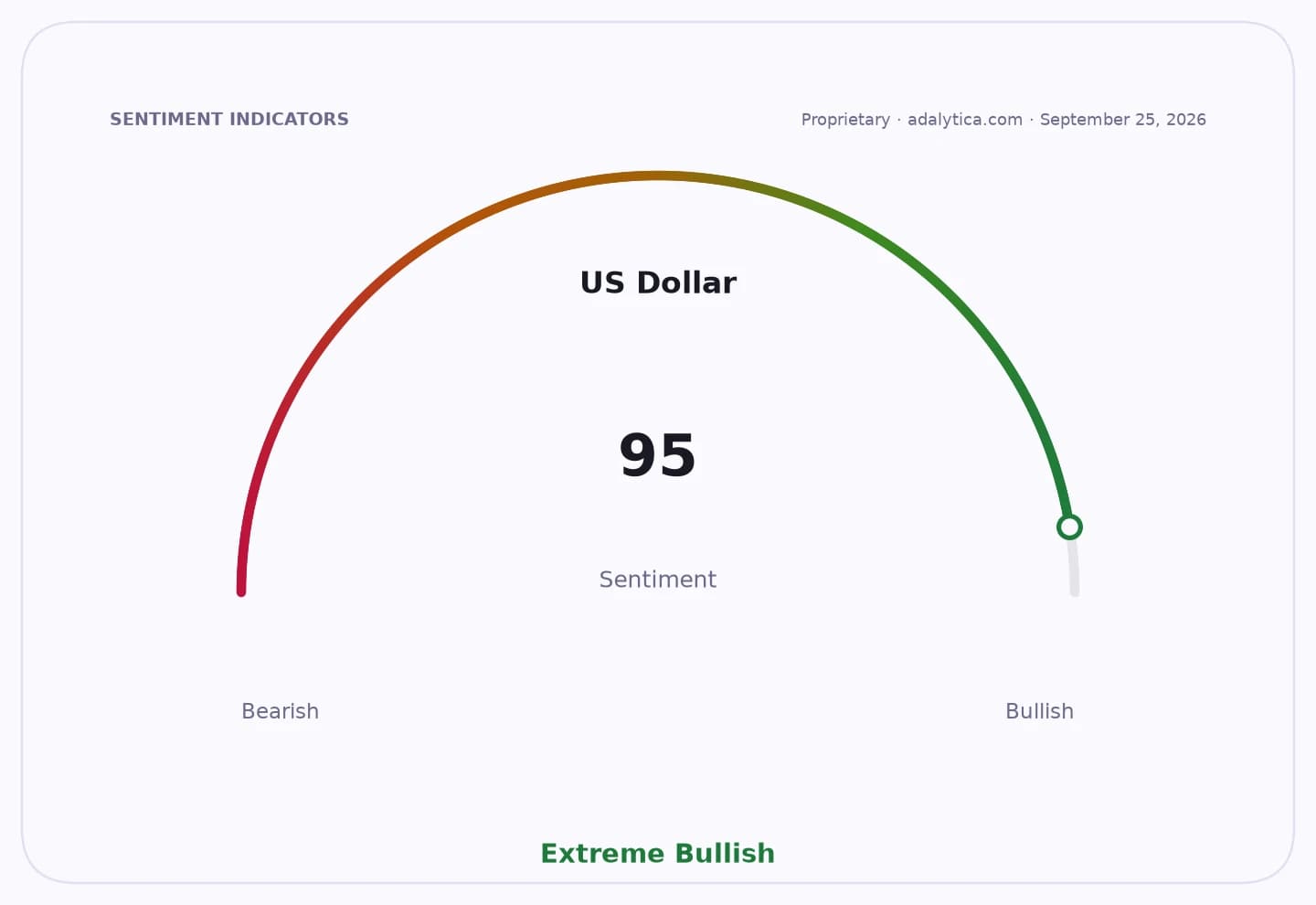
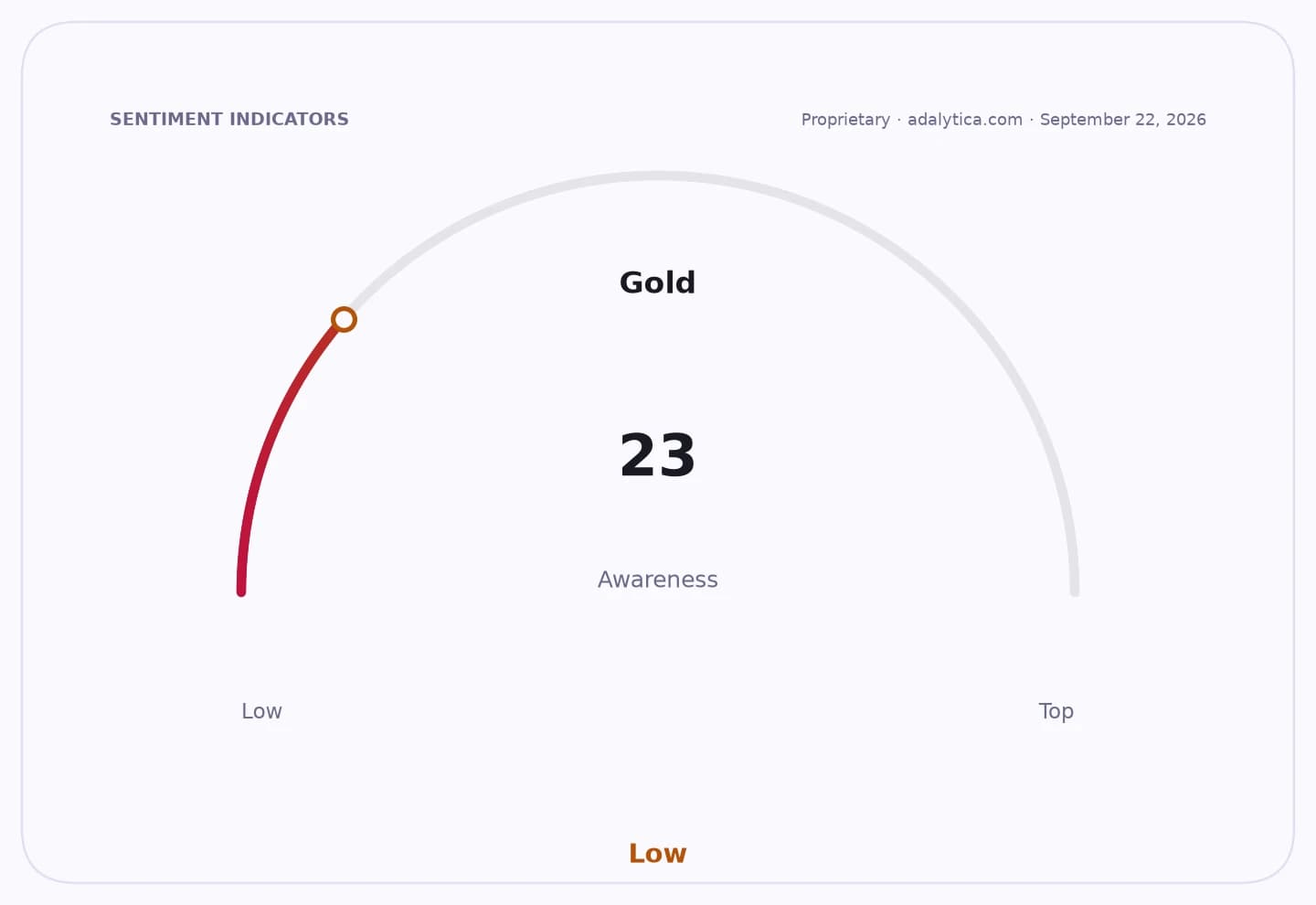
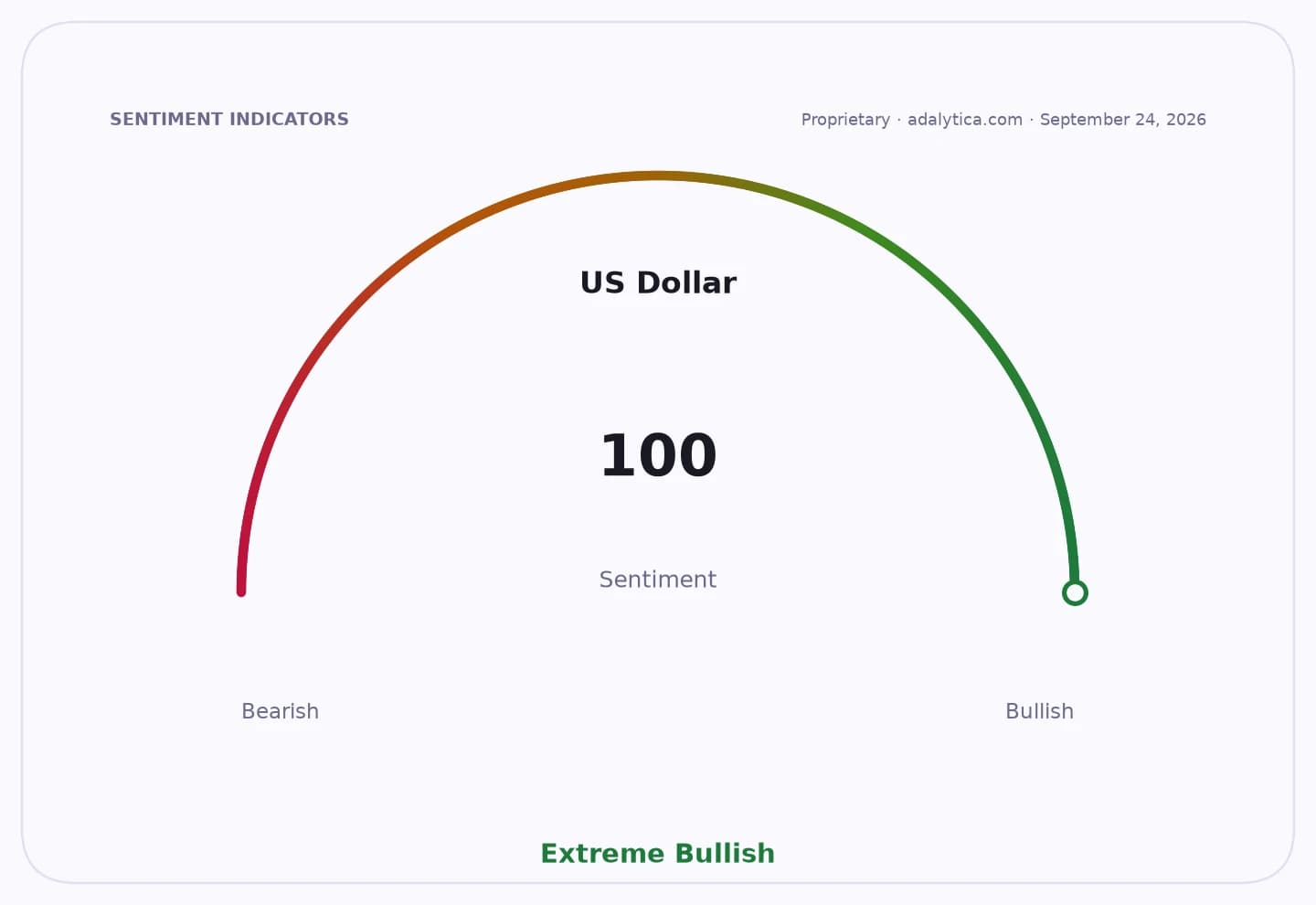
Sentiment IndicatorsⓘProprietary · adalytica.com · September 5, 2026
This is a snapshot — live sentiment, awareness and momentum for 130+ markets update continuously in the dashboard.Open AlphaPulse
What makes the find matter economically is not the bullion value — just 54.8 grams of gold — but the possibility that the coins date to the Gangas or another dynasty between the 10th and 15th centuries. If verified, the cache would add to the archaeological record of the region and could draw fresh attention, tourism interest and state spending on excavation, preservation and museum display. In a country where land is being developed rapidly, such discoveries are a reminder that infrastructure work can unexpectedly surface assets with cultural and commercial spillovers.
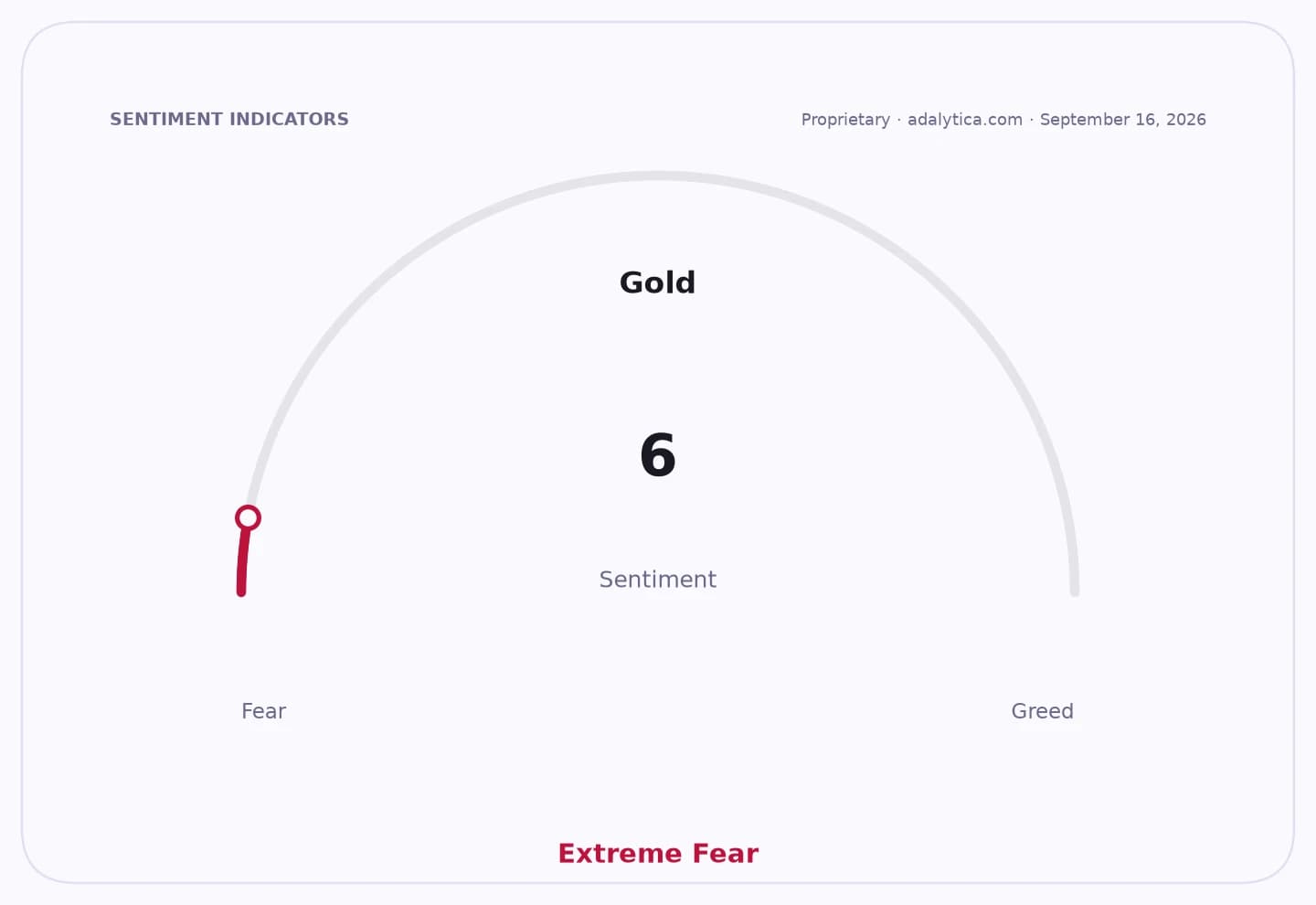
For investors, the larger story is that gold’s appeal is running through two very different markets at once. Physically, the metal remains a store of value so enduring that even a handful of coins can command public attention. Financially, gold-backed vehicles such as the SPDR Gold Trust are still pricing a market that has swung from euphoria to fear in a matter of weeks, with Adalytica’s Gold Fear & Greed Index showing extreme fear at 12 after a 30-day collapse in sentiment. That kind of reset often matters more than the daily price move because it can create the conditions for the next leg higher once buyers regain confidence.
The technical picture for gold has also cooled from overheated levels. GLD has slipped back toward its 50-day moving average after trading far above it earlier in the year, while the RSI has fallen from extreme readings into a more neutral range. GDX, the miners ETF, has retraced from its highs as well, suggesting the market is no longer assuming an uninterrupted breakout. That is exactly when long-term capital tends to separate narrative from opportunity.
My thesis is simple: the market underestimates how quickly gold can reassert itself when fear, policy uncertainty and supply constraints converge. The Savadatti discovery is not a tradable catalyst by itself, but it is a vivid symbol of why gold retains a premium in uncertain times — and why investors should still want exposure to the metal, miners and select royalty names before sentiment turns again.
The most attractive way to play that view is through a barbell: GLD for direct metal exposure, GDX for leveraged operating upside, and higher-quality names such as Agnico Eagle Mines as a lower-risk miner with scale and jurisdictional strength. If global risk aversion deepens, or if central-bank and retail demand stabilizes, these assets can reprice far faster than the market expects.
The takeaway is straightforward: treat gold not as a headline trade, but as a secular hedge with optionality. When treasure turns up in a Karnataka village and bullion sentiment is already near panic, the setup argues for accumulating exposure while consensus is still looking elsewhere.
| Entity | Gains | Losses |
|---|---|---|
| Local authorities | ▲Heritage recognition | ▼Security and verification burden |
| Archaeology department | ▲New research material | ▼Pressure to authenticate quickly |
| Gold bulls / GLD holders | ▲Safe-haven narrative | ▼Near-term volatility |
| Illegal scavengers / hoarders | ▲— | ▼No access to the find |