Kathmandu’s cooking gas supply has been kept flowing after a landslide shut a key highway link, with Nepal Oil Corporation moving nearly 88,000 LPG cylinders into the valley in three days to avoid shortages and price spikes.
Kathmandu LPG Supply Rerouted After Highway Landslide
The emergency rerouting shows how quickly a transport disruption can turn into an inflation and supply-chain problem in a market that relies heavily on a single road corridor for fuel logistics. For households and businesses in Kathmandu, the immediate risk is not just inconvenience but higher costs if inventories run thin.
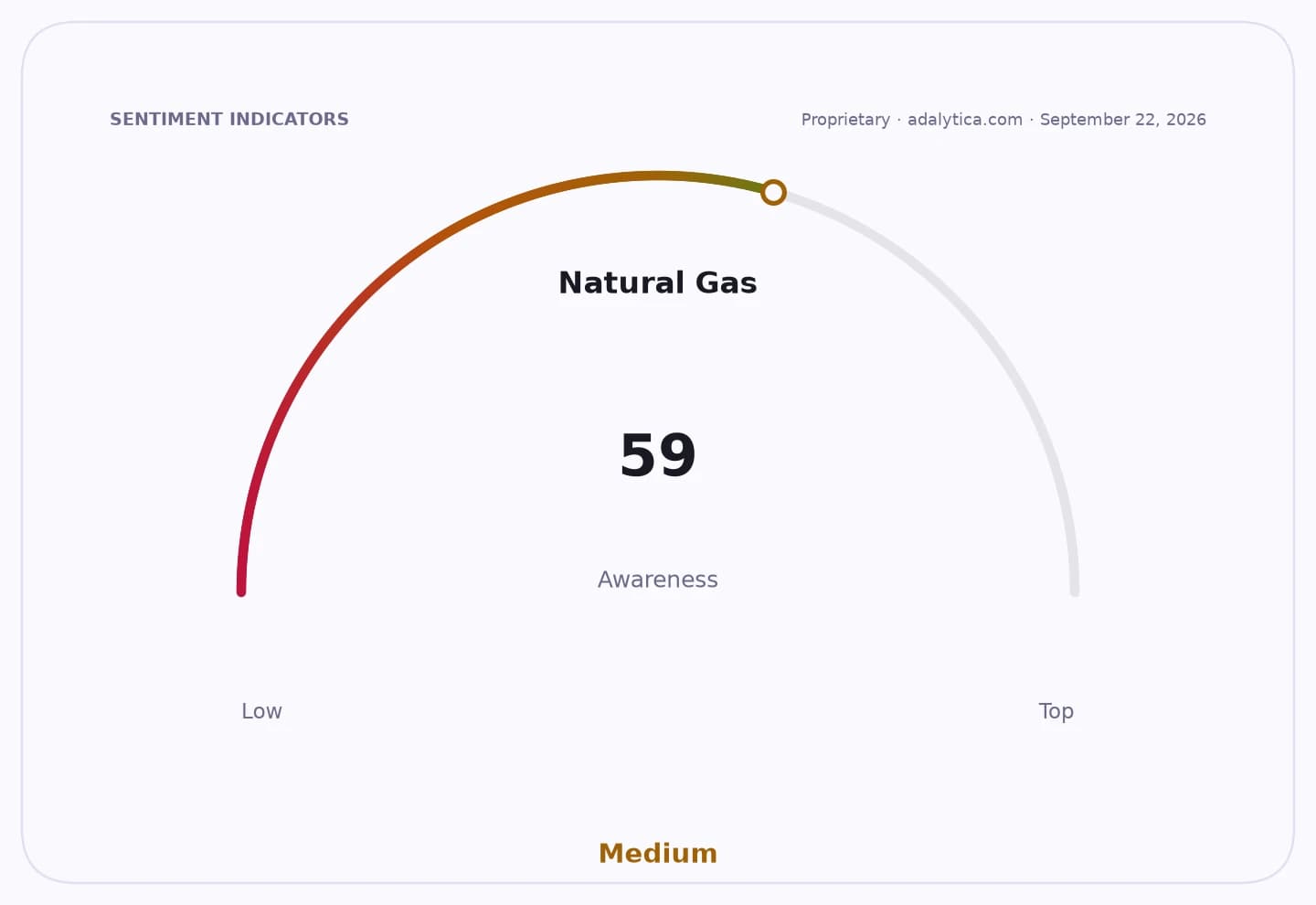
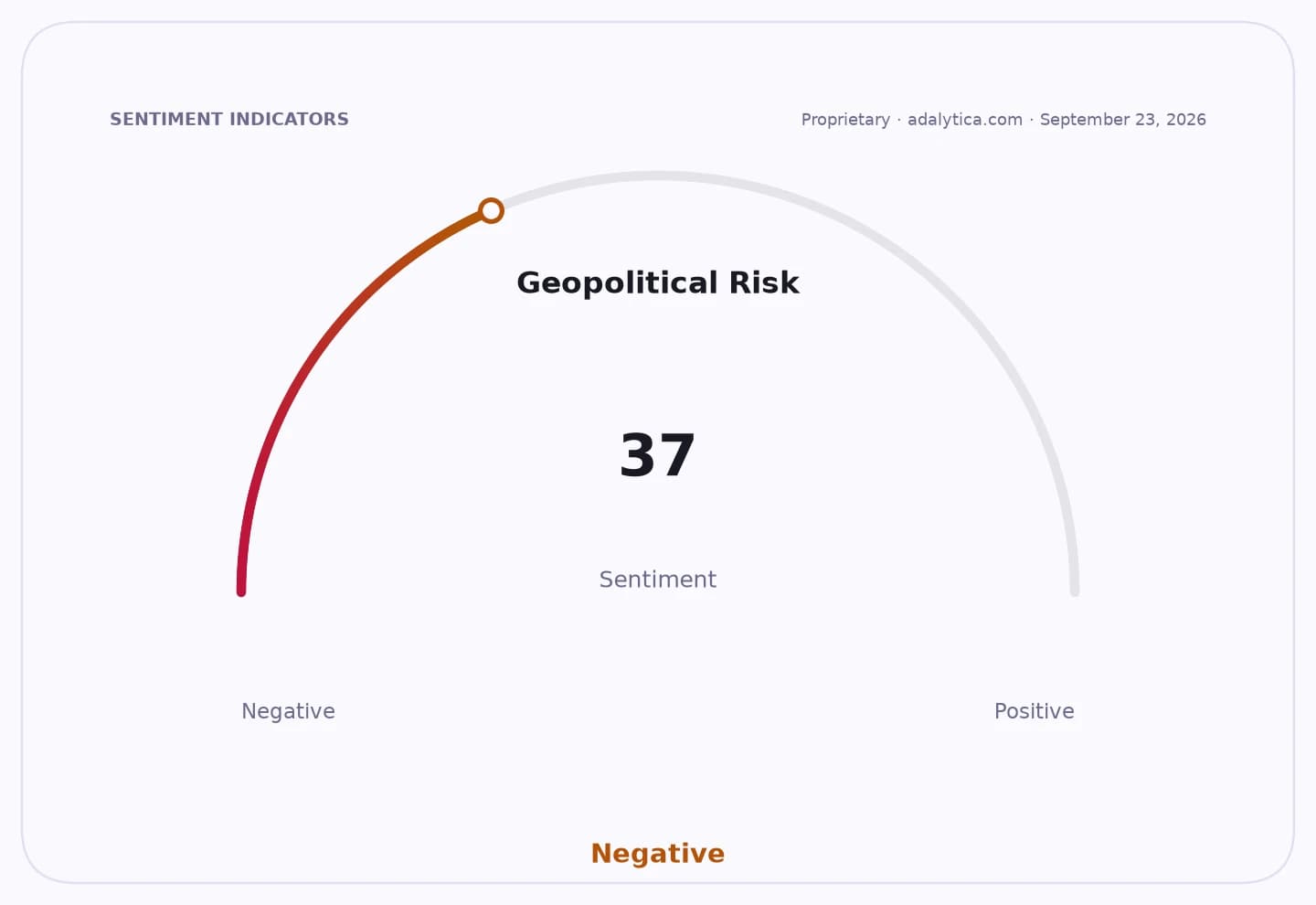
Sentiment IndicatorsⓘProprietary · adalytica.com · September 6, 2026
This is a snapshot — live sentiment, awareness and momentum for 130+ markets update continuously in the dashboard.Open AlphaPulse
Nepal Oil Corporation said 87,877 cylinders were brought in between Sept. 3 and Sept. 5 after the Krishnabhir section of the Prithvi Highway in Dhading was blocked by landslides and erosion. Daily inflows rose to 34,134 cylinders on Sept. 4 after 24,494 on Sept. 3, before 29,249 reached the valley on Sept. 5.
The corporation said cylinders were refilled at industries in Nepal’s southern plains and moved back to Kathmandu through alternative routes. Supplies from 16 industries are now being routed continuously until normal access on the Prithvi Highway is restored.
The response matters economically because LPG is a basic household input and an important fuel for small businesses, so any sustained disruption can feed into living costs and broader inflation pressure. The need to shuttle cylinders through Bara, Parsa, Makwanpur, Chitwan, Nawalparasi, Dhanusha and Mahottari also underlines the higher logistics burden when mountain routes fail.
For investors, the episode is another reminder of how transport bottlenecks can tighten energy markets and raise delivered fuel costs even when the underlying commodity supply is available. In nearby and related LPG markets, traders have already been dealing with tighter supply conditions and higher transport charges, which can support prices for distributors and suppliers but squeeze consumers.
The key risk now is how long restoration of the Krishnabhir section takes. If the route stays closed, Nepal will keep relying on more expensive detours to protect supply; if it reopens quickly, pressure on distribution costs and local fuel inflation should ease.
| Entity | Gains | Losses |
|---|---|---|
| Kathmandu households | ▲Avoid immediate gas shortage | ▼Face higher logistics risk |
| Nepal Oil Corporation | ▲Keeps supplies moving | ▼Bears rerouting burden |
| LPG distributors | ▲Maintain sales volumes | ▼Higher transport costs |
| Road authorities | ▲Incentive to restore route | ▼Scrutiny over disruption |