Katjes Greenfood has priced a new Nordic bond at 8.00% a year after investor demand pushed the planned 40 million euro issue well past target, underscoring that high-yield borrowers can still tap capital markets even as funding costs stay elevated.
Katjes Greenfood prices new Nordic bond at 8%
The German food investor set the coupon in the lower third of the original 7.75% to 8.50% range, a sign it could secure financing without paying up to the top end. The company said the offer drew strong interest from both institutional and private investors, allowing it to exceed the intended size before the subscription window even closed.
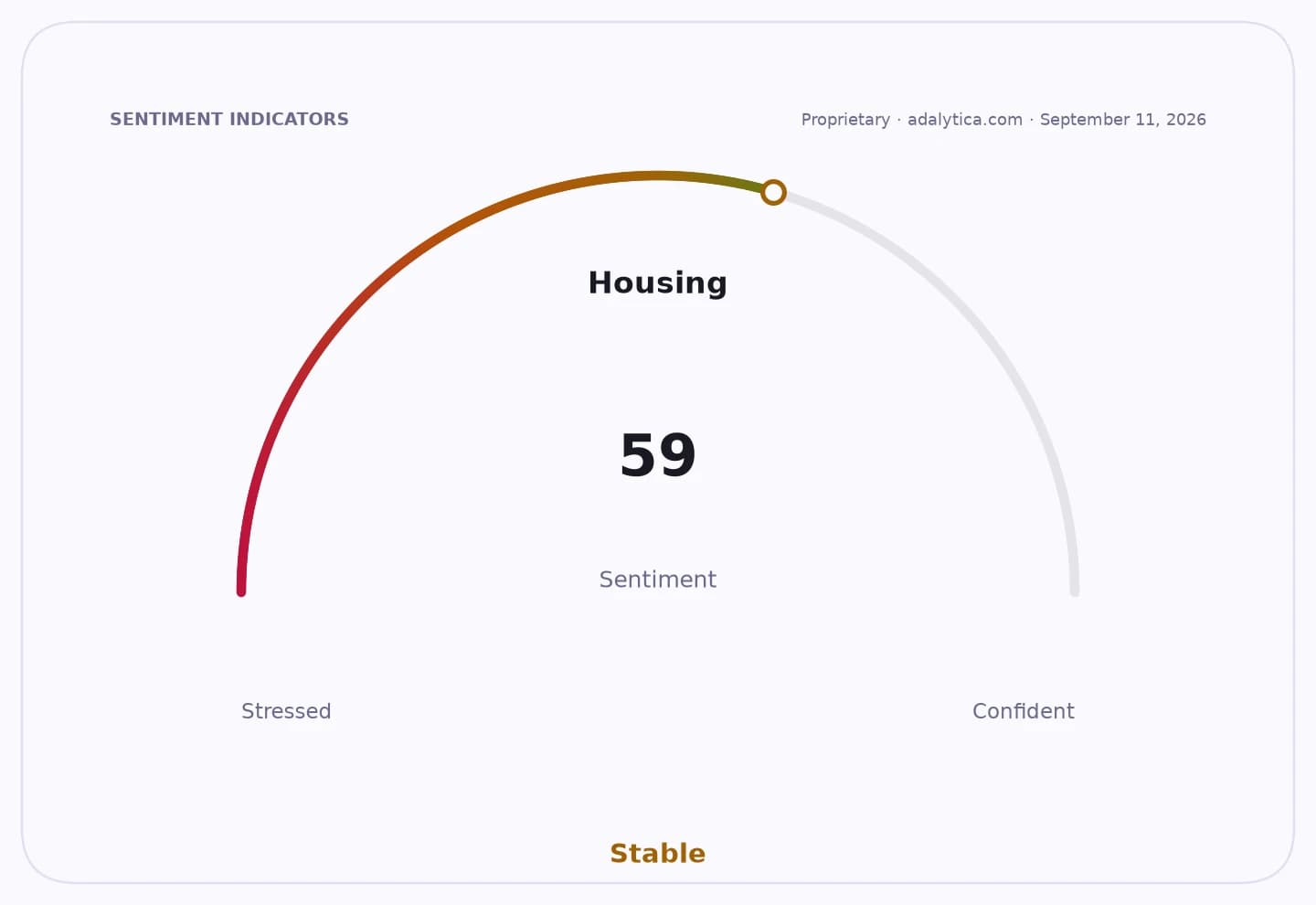
Sentiment IndicatorsⓘProprietary · adalytica.com · October 14, 2026
This is a snapshot — live sentiment, awareness and momentum for 130+ markets update continuously in the dashboard.Open AlphaPulse
For Katjes Greenfood, the debt sale is about extending funding and managing liabilities in a market where borrowing remains expensive. The company is also running exchange offers for its 2022/27 bond and a 2021/26 crowdfunded subordinated loan through Oct. 15, suggesting a broader refinancing effort rather than a single isolated issuance.
The bond fits a wider pattern across European credit markets, where investors are still willing to back smaller, sponsor-linked or niche issuers if the yield compensates for rate risk and credit uncertainty. With U.S. Treasury yields still above 5% and high-yield credit spreads hovering near 3.1%, borrowers continue to face a costly backdrop, making every successful issue a test of demand for risk.
For investors, the deal shows that income-seeking buyers remain active, especially in structures that offer an 8% return in a market still wrestling with sticky rates. The risk is straightforward: borrowers can refinance, but they do so at a price that keeps pressure on cash flow and leaves less room for error if operating conditions soften.
The next focal point is whether Katjes Greenfood completes the exchange offers and finalizes the bond at the enlarged size, which will show how much of the demand converts into permanent capital.
| Entity | Gains | Losses |
|---|---|---|
| Katjes Greenfood | ▲Fresh refinancing access | ▼Higher interest expense |
| Bond investors | ▲8.00% yield | ▼Credit risk exposure |
| Existing noteholders | ▲Exchange option | ▼Potential dilution of terms |
| Competing borrowers | ▲Benchmark demand support | ▼Less room for capital at cheap rates |