A new partnership between Kenya’s Pesalink and the Pan-African Payment and Settlement System is another sign that Africa’s cross-border payments market is trying to move away from the dollar-centric rails that still dominate trade and remittances.
Kenya Pesalink Joins PAPSS for Cross-Border Payments

That matters because every transaction routed through fewer foreign-currency intermediaries can mean lower costs, faster settlement and less exposure to dollar liquidity swings. For African banks, payment providers and importers, the prize is not just convenience: it is margin protection in a region where small changes in fees and FX spreads can materially affect working capital and trade volumes.
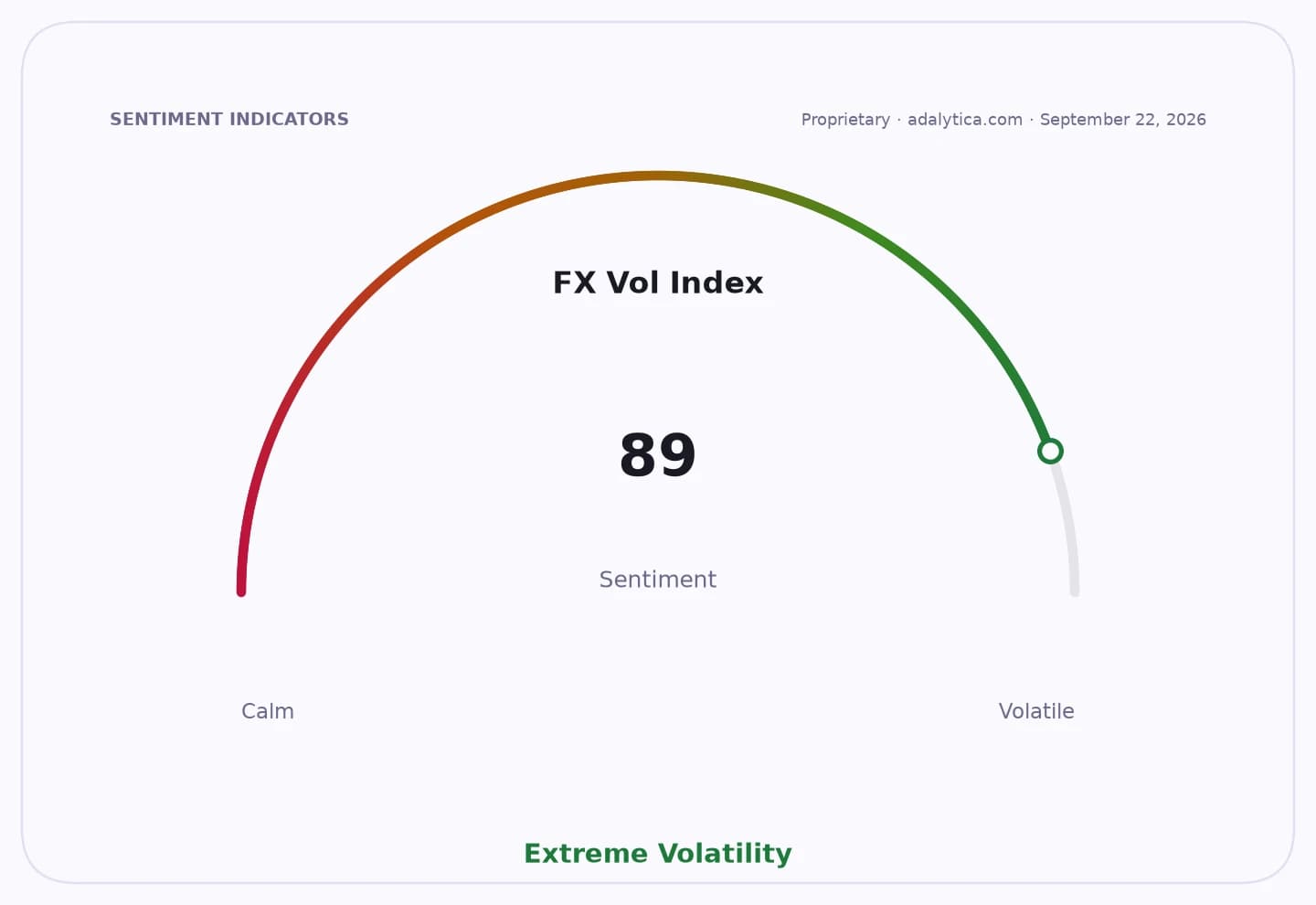
Sentiment IndicatorsⓘProprietary · adalytica.com · August 29, 2026
This is a snapshot — live sentiment, awareness and momentum for 130+ markets update continuously in the dashboard.Open AlphaPulse
The move also speaks to a broader push by policymakers and regional payments operators to make intra-African commerce cheaper and more self-contained. PAPSS was built to let payments clear in local currencies across borders, reducing reliance on correspondent banking networks that often add delay, cost and compliance friction. Pesalink, which has become a key domestic transfer rail in Kenya, gives the system a stronger on-the-ground distribution point in one of East Africa’s most developed financial markets.
For investors, the significance is twofold. First, there is an opportunity for banks, payment processors and fintechs that can plug into regional settlement infrastructure and win transaction volume as trade integration deepens. Second, there is pressure on legacy FX and cross-border fee pools that have historically benefited lenders and correspondent banks with strong dollar access. Any meaningful shift away from USD settlement could compress fee income at the margin, even if total payment volumes rise.
The backdrop is a global market still defined by dollar strength and uneven liquidity, but the demand for alternatives is growing. Adalytica’s US dollar trade-signal snapshot shows sentiment in “fear” territory even as awareness remains elevated, suggesting investors are alert to currency volatility even if the dollar retains its central role. In that environment, regional payment systems that reduce dependence on hard-currency settlement can look increasingly attractive to governments and corporates trying to insulate trade from FX shocks.
The main bull case is that the partnership helps unlock more intra-African trade, supports financial inclusion and creates a scalable revenue stream for payment networks that sit at the center of local settlement. The bear case is that adoption may be slower than headlines imply, because liquidity constraints, bank interoperability, regulatory fragmentation and entrenched dollar habits still dominate many trade corridors.
The next test is whether the partnership can move beyond announcement value and deliver meaningful transaction flows. If it does, it could strengthen the case for a more integrated African payments market and gradually reduce the dollar’s grip on everyday cross-border commerce.
| Entity | Gains | Losses |
|---|---|---|
| Pesalink | ▲Wider cross-border reach | ▼Limited if adoption stalls |
| PAPSS | ▲Stronger regional network | ▼Pressure to prove usage |
| African merchants and banks | ▲Lower FX and transfer costs | ▼Legacy fee income |
| Dollar-based intermediaries | ▲Less demand for USD rails | ▼Fee compression |