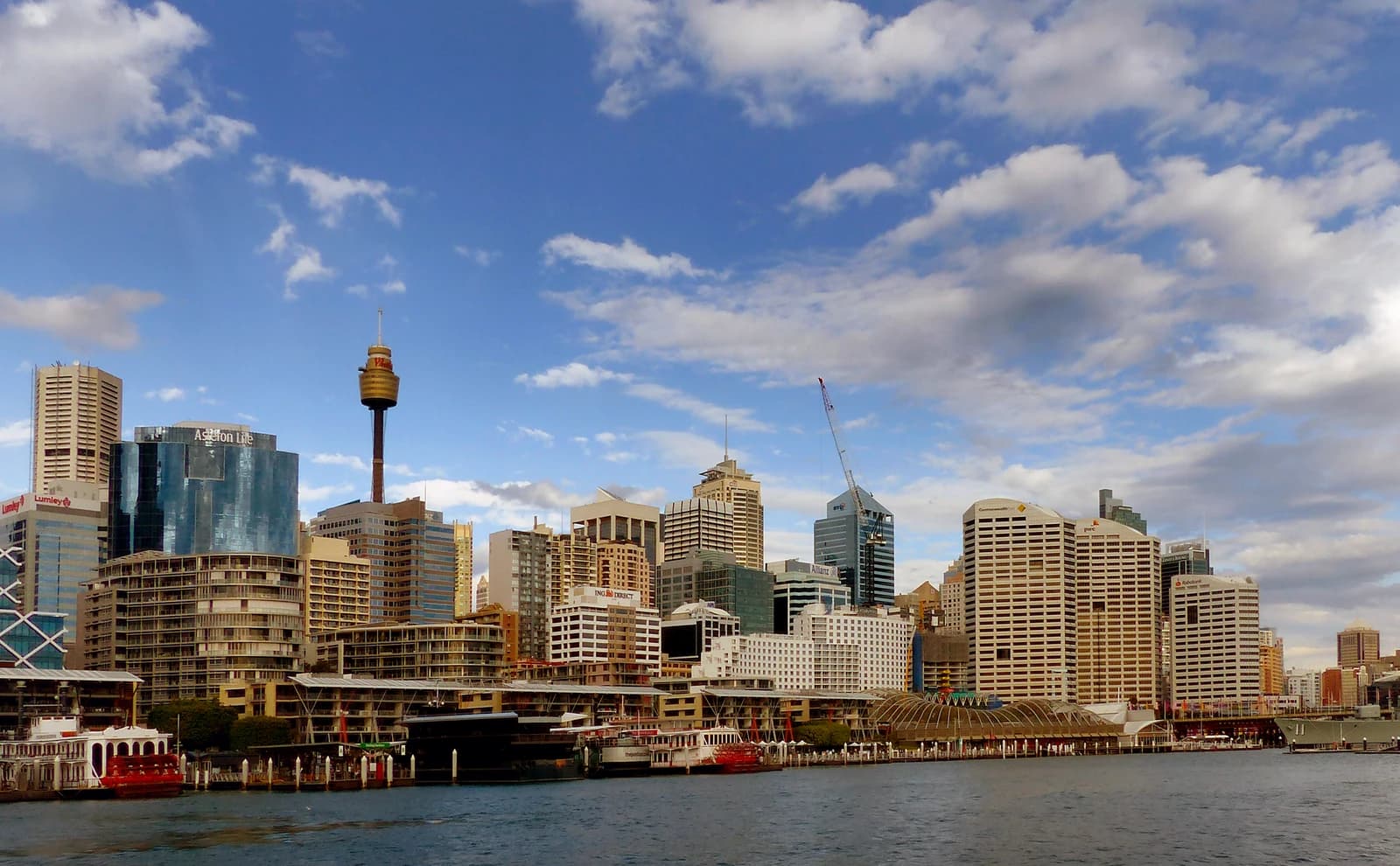
Keppel Reit is selling its Seoul office tower for US$255.8 million, a move that crystallises a sizeable gain and frees up capital at a time when Singapore-listed property trusts are under pressure to defend distributions and manage refinancing risk.
Keppel Reit sells Seoul T Tower for US$255.8 million
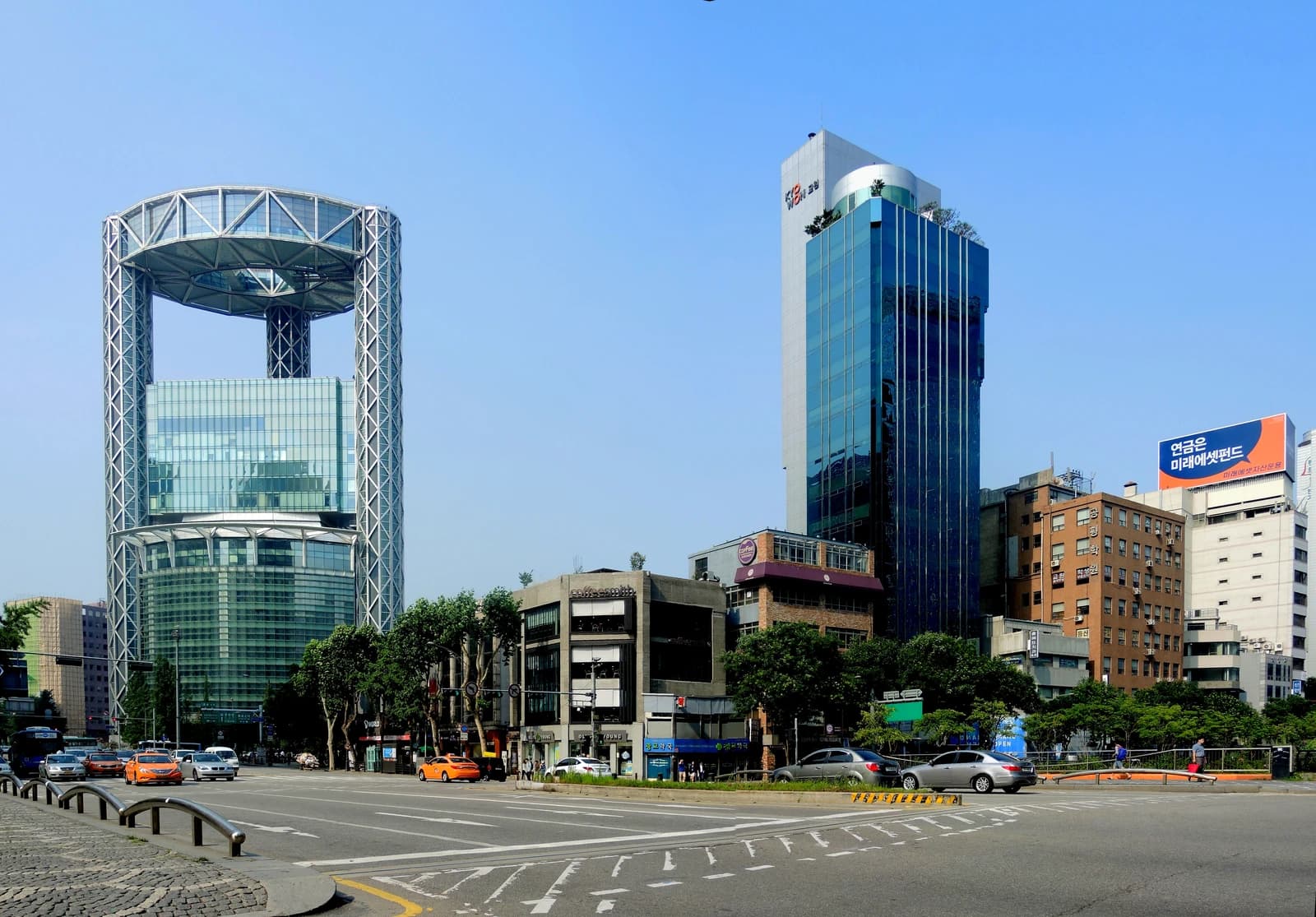
The divestment of T Tower, a freehold Grade A building in Seoul’s central business district, is expected to complete by the fourth quarter and will fetch 348.8 billion won, or about 37.2% above the acquisition price paid in 2019. For Keppel Reit, the transaction is less about exiting Korea than about proving it can harvest embedded value from mature assets and redeploy proceeds into a tighter capital structure.
That matters because office REITs are being judged increasingly on liquidity, gearing discipline and the ability to turn disposals into accretive capital management rather than just growth by acquisition. Keppel Reit said it may use up to S$25 million of net proceeds for unit buybacks after its third-quarter business update, a signal that management sees current pricing as offering a better return than keeping cash idle.
The sale also nudges the trust further toward Singapore, which will make up 81.1% of portfolio value after the transaction. That concentration can cut both ways: it simplifies the portfolio and reduces overseas execution risk, but it also leaves Keppel Reit more exposed to one market and to the trajectory of Singapore office rents, interest rates and demand from blue-chip tenants.
T Tower was 92.1% occupied as of June 30, so the disposal is not a distressed exit. Instead, it suggests the manager is monetising a well-leased asset in a market where capital values have held up enough to support a premium sale. Keppel Reit’s chief executive framed it as part of a broader “capital recycling” strategy, pointing to a recent sale of KR Ginza II in Tokyo as evidence the trust is actively reshaping the portfolio rather than passively waiting for valuation recovery.
For investors, the near-term focus will be on whether the sale improves net asset value, trims leverage and supports distribution stability. The stock had already been trading with a weak technical backdrop, with recent pricing below its 50-day and 200-day moving averages and momentum indicators still subdued, suggesting the market had not yet priced in a strong rerating. Any uplift from the divestment will likely depend on how much cash is retained, how aggressively buybacks are executed and whether management can continue recycling capital without sacrificing income.
The broader read-through is that prime Asian office assets are still tradeable when well leased and well located, but REIT managers are increasingly choosing to unlock gains now rather than hold out for further appreciation. That keeps balance sheets flexible, but it also raises the bar for finding replacement yield in a region where financing costs and selective tenant demand continue to shape valuations.
| Entity | Gains | Losses |
|---|---|---|
| Keppel Reit | ▲Capital gains, lower risk | ▼Korea exposure, portfolio diversification |
| Unitholders | ▲Buyback support, stronger balance sheet | ▼Potential income dilution if cash is retained |
| Buyer fund in South Korea | ▲Prime Seoul office asset | ▼Cash outlay at premium valuation |
| Singapore office portfolio | ▲Higher concentration, simpler structure | ▼Less geographic diversification |