Gold prices are still elevated enough that more buyers in Kerala are thinking like investors, not shoppers — and that shift is changing how people buy coins, bars and even lower-karat jewelry.
Kerala gold buyers shift toward coins and bars
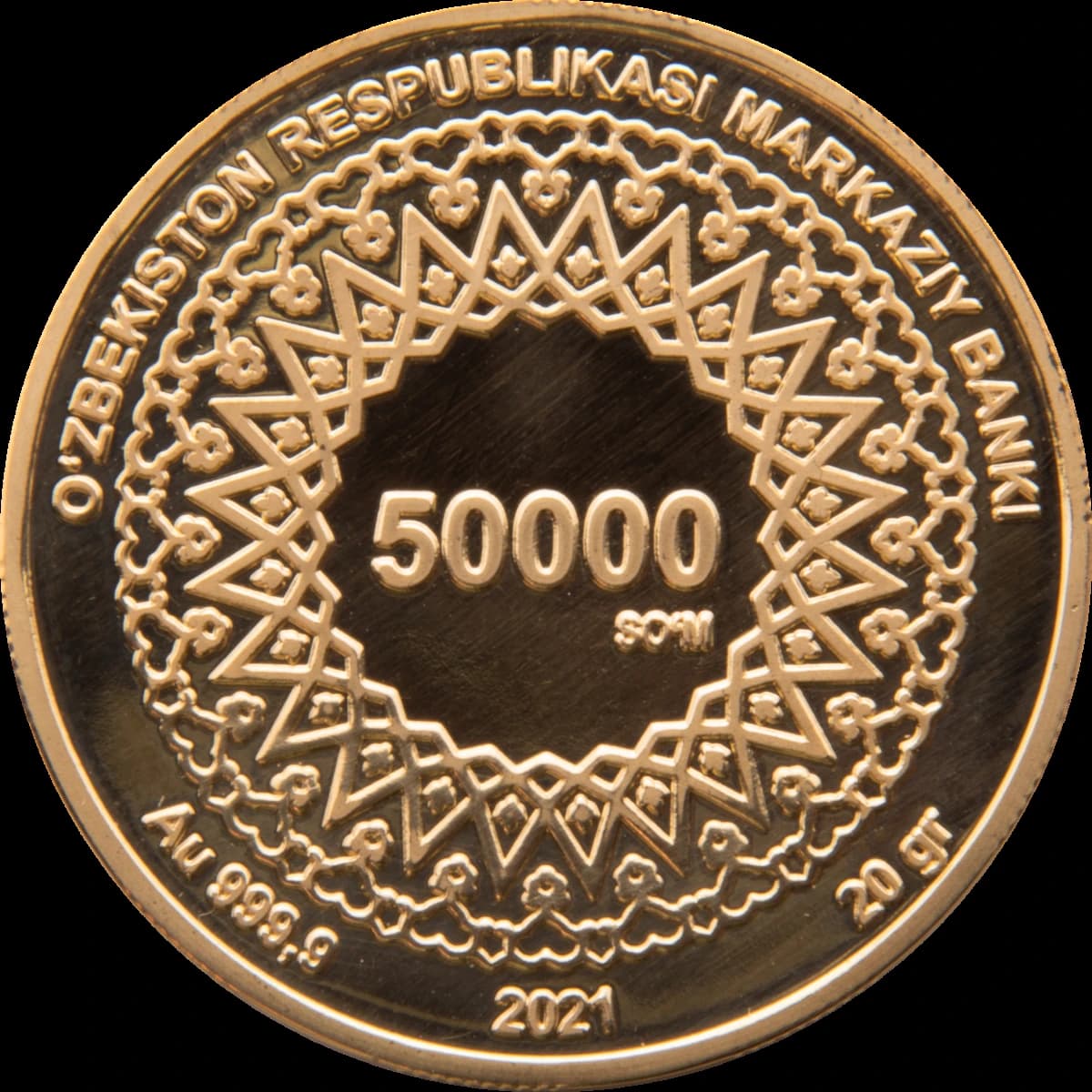
The most immediate takeaway for investors is that the gold market is being pulled by two forces at once: a recent pullback in prices that can tempt buyers back in, and a broader backdrop of geopolitical stress and interest-rate uncertainty that keeps bullion attractive as a long-term store of value. In Kerala, where gold buying is deeply cultural as well as financial, the surge in prices has pushed consumers away from traditional ornament purchases and toward gold coins and bars, which do not carry the making charges that can erode resale value.
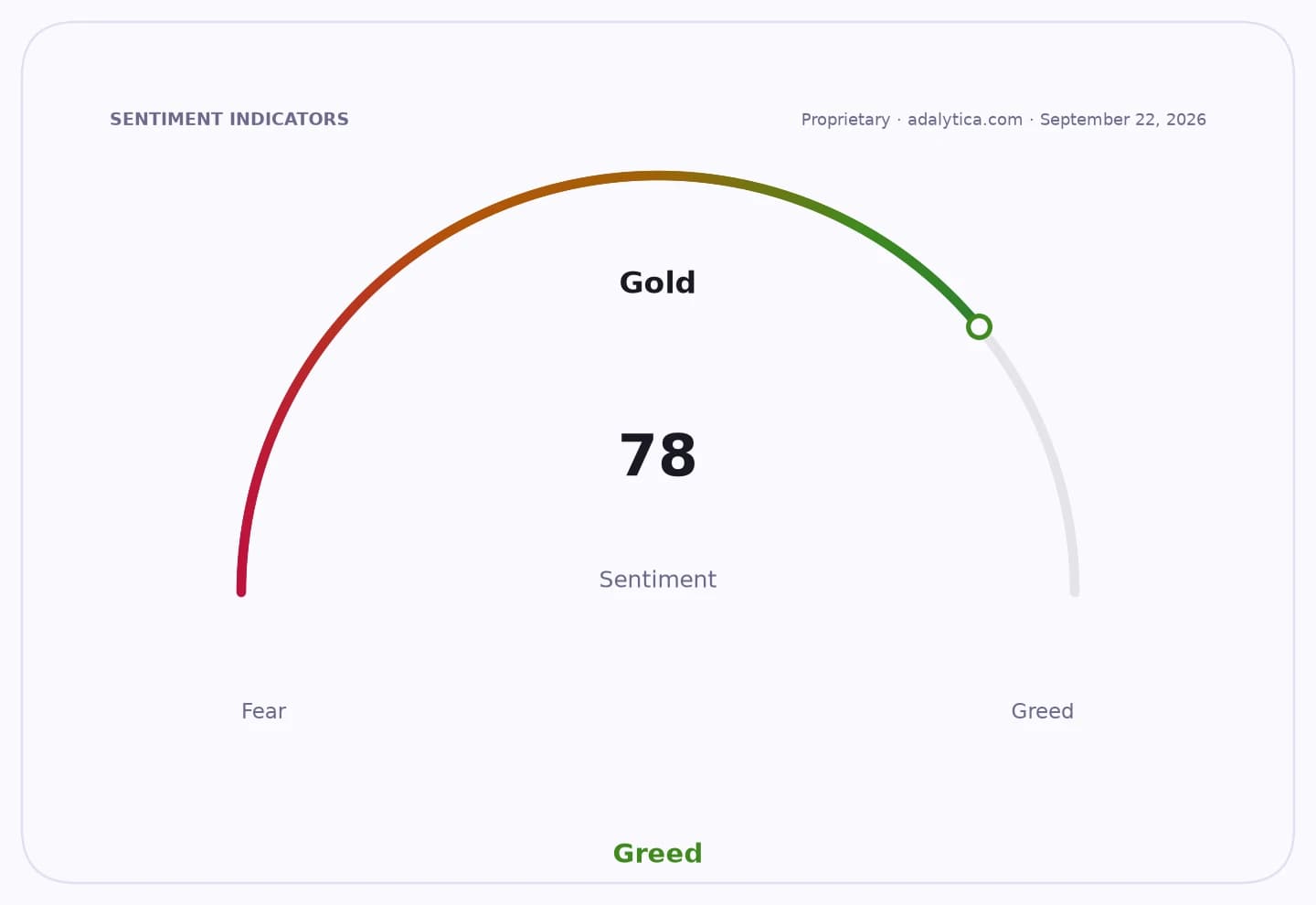
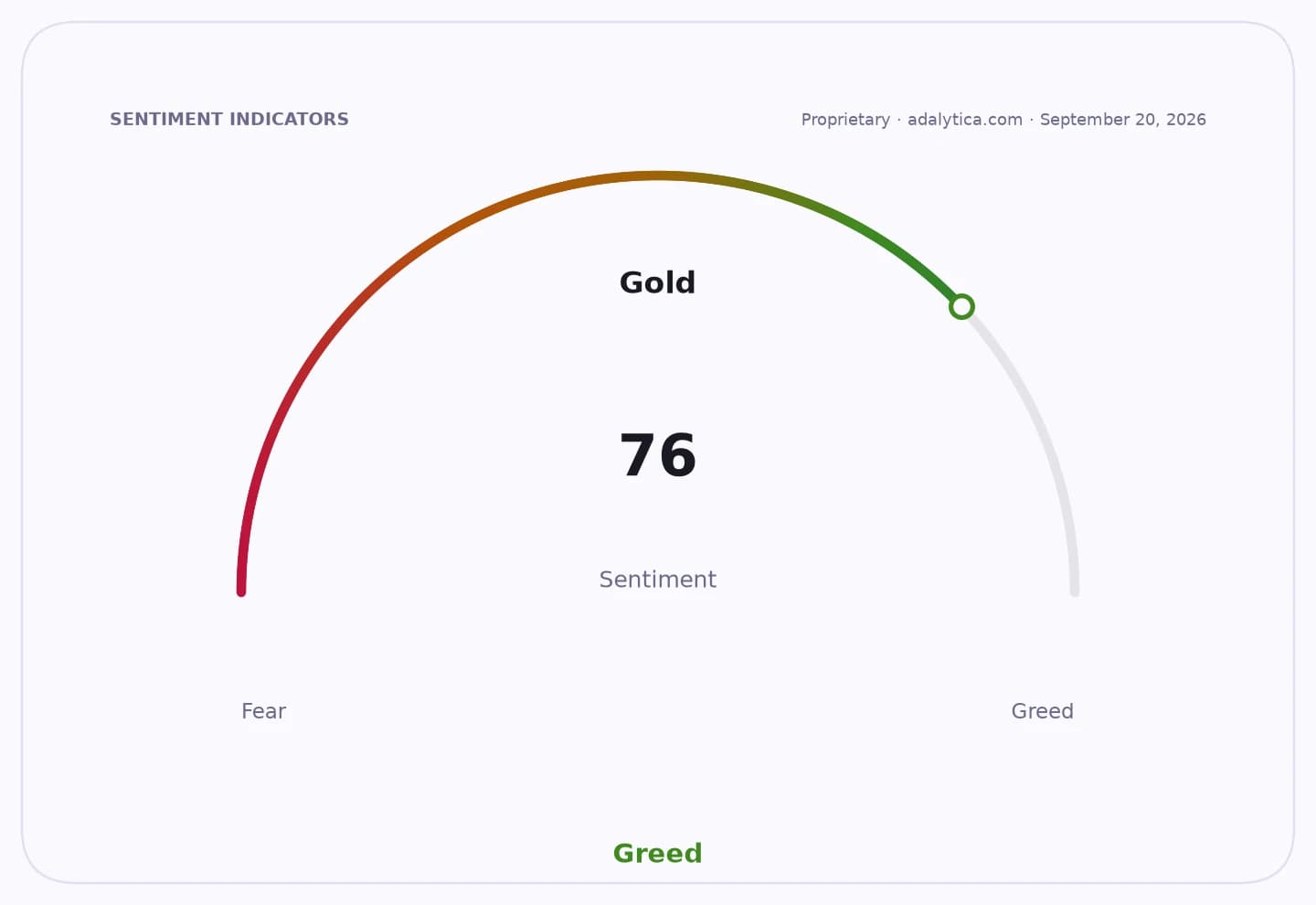
Sentiment IndicatorsⓘProprietary · adalytica.com · September 26, 2026
This is a snapshot — live sentiment, awareness and momentum for 130+ markets update continuously in the dashboard.Open AlphaPulse

That matters economically because high prices do not just change what people buy — they change the economics of the entire retail gold chain. Jewelers face weaker demand for labor-intensive ornaments, while coin sellers and banks that handle bullion-linked products can see more interest from customers who want simpler, more liquid exposure. For households, the calculation is equally practical: if gold is being bought mainly as a savings vehicle, not worn as jewelry, the absence of workmanship costs becomes a big advantage.
The price backdrop helps explain the shift. In Kerala, 22-karat jewelry gold is now quoted at Rs 14,185 a gram, or Rs 1,13,480 per sovereign, while 18-karat and 14-karat prices remain far lower, reflecting how consumers are trading purity against affordability. The move toward 9-karat jewelry underscores the pressure on budgets, even as some buyers still want exposure to the metal itself. That is a classic sign of a market where demand is no longer driven only by celebration spending, but also by preservation of wealth.
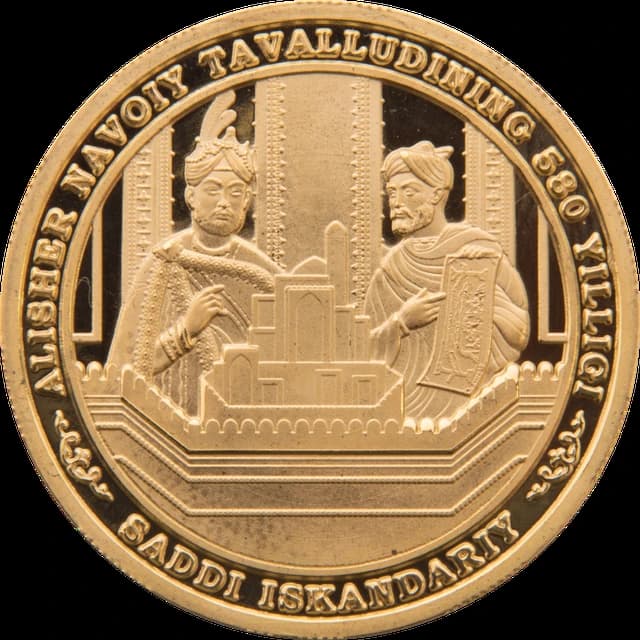
Global signals are doing much of the heavy lifting. Gold typically benefits when investors worry about inflation, currency swings or geopolitical shocks, but it loses some shine when bond yields rise and the dollar firms. Here, the market is weighing tensions involving the U.S. and Iran against expectations for Federal Reserve policy, while oil at about $94 a barrel keeps inflation risks in view. The 10-year U.S. Treasury yield near 5.19% is also a reminder that higher rates raise the opportunity cost of holding gold, even if they do not erase safe-haven demand.
That tension shows up in the market data. Adalytica’s Gold Fear & Greed Index sits at 30, in fear territory, after dropping sharply over the past day and week, suggesting investors have become more cautious even after periods of strong enthusiasm. Yet gold-backed funds and miners have not lost their relevance: GLDM has stabilized around the mid-$84 area after a much more volatile stretch, while Newmont and Gold Fields still trade on the same basic truth — if gold stays expensive, producers with scale and disciplined costs can keep generating cash.
For long-term investors, the key question is not whether gold will bounce tomorrow, but whether the current mix of inflation risk, geopolitical uncertainty and rate pressure keeps gold useful as portfolio insurance. That is why this story matters beyond Kerala. When consumers and savers shift from jewelry to coins, they are telling you something bigger: gold is being treated less as adornment and more as a financial asset.
If you are thinking in years rather than weeks, that is worth watching closely. A sharp pullback can create opportunities, but in gold, as in any asset, the real edge comes from buying with discipline, understanding the costs, and knowing whether you want protection, liquidity or pure speculation.
| Entity | Gains | Losses |
|---|---|---|
| Coin buyers | ▲Lower making charges | ▼Jewelry markups |
| Banks and bullion sellers | ▲More coin demand | ▼Ornament-focused retailers |
| Jewelers | ▲Lower-cost options interest | ▼Traditional 22K sales |
| Gold miners/ETFs | ▲Safe-haven demand | ▼Rising real yields |