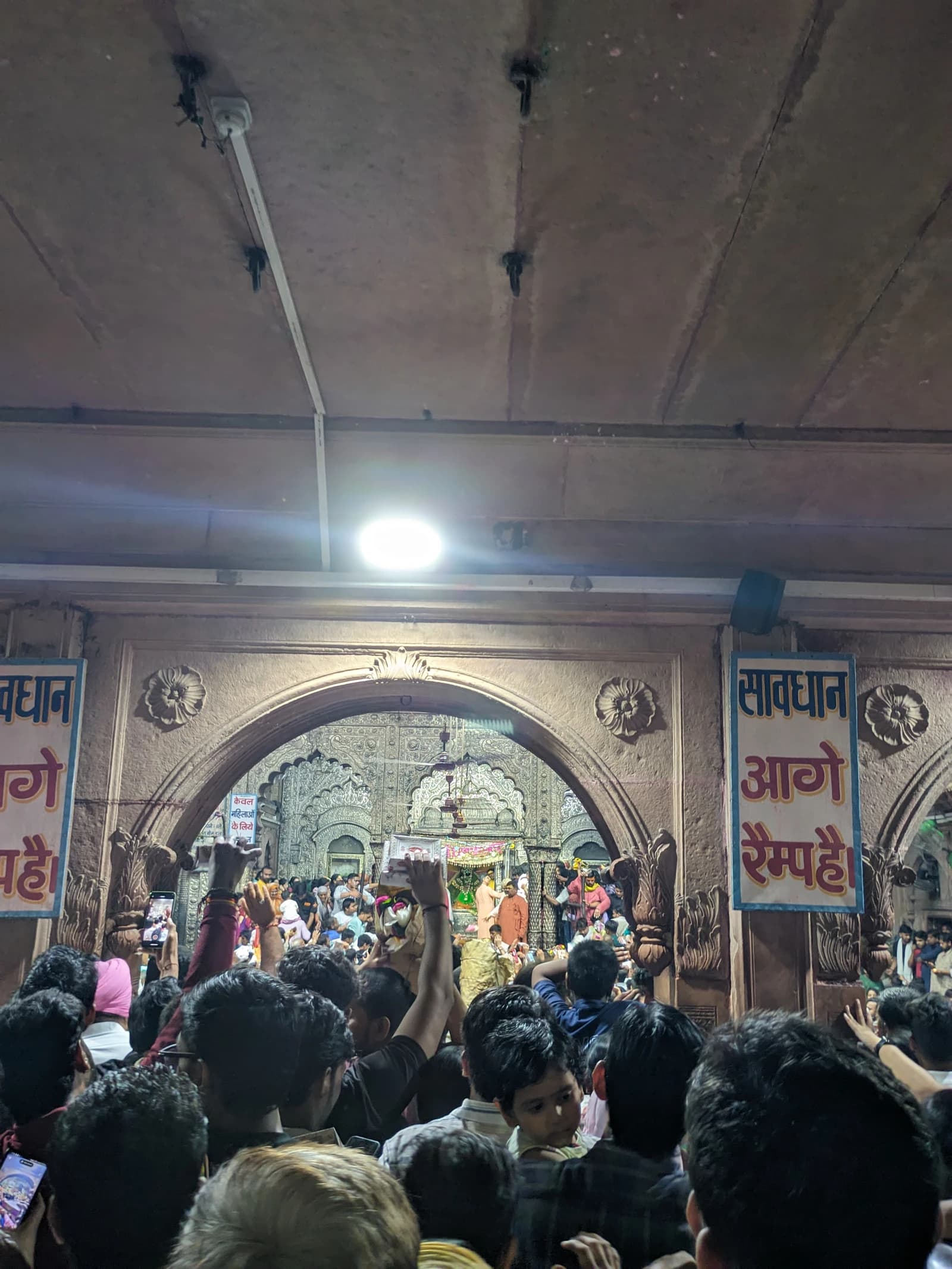
Kerala’s plan to spend as much as ₹1,000 crore to develop Sabarimala and Guruvayur into Tirupati-style pilgrimage hubs could reshape the state’s tourism economy, deepen infrastructure spending and create a longer investment cycle around religious travel.
Kerala plans ₹1,000 crore Sabarimala, Guruvayur upgrade
Chief Minister V.D. Satheesan said the government wants the two temples to attract pilgrims from across India and abroad, and that experts associated with Tirupati’s development will be consulted. The work is set to begin after the current Sabarimala season, with the state planning to coordinate closely with the Devaswom Board and hold a broader meeting at Pampa in early October.
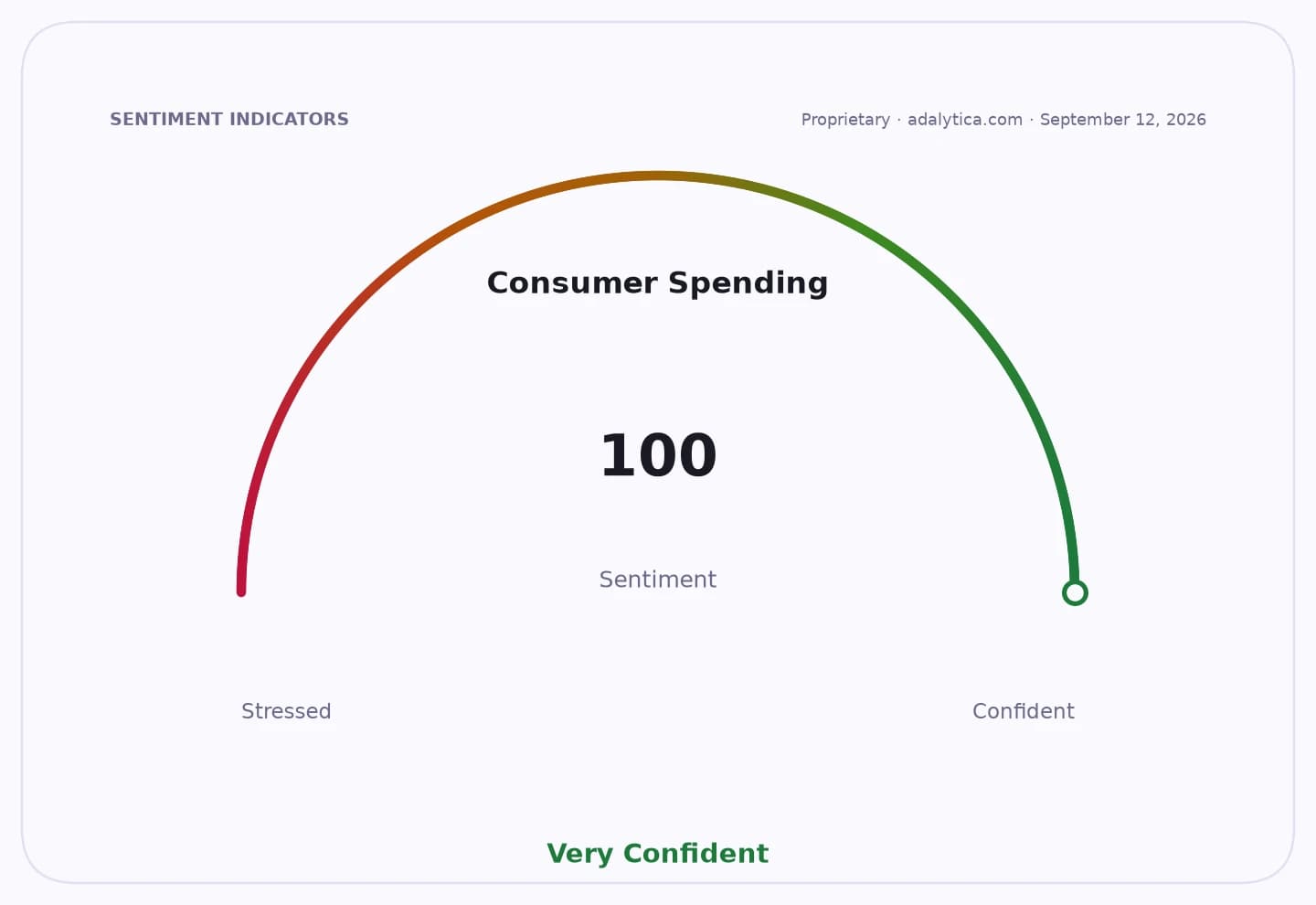
Sentiment IndicatorsⓘProprietary · adalytica.com · September 24, 2026
This is a snapshot — live sentiment, awareness and momentum for 130+ markets update continuously in the dashboard.Open AlphaPulse
Economically, the announcement matters because pilgrim destinations are among Kerala’s most reliable demand generators for transport, hospitality, food, retail and local services. A ₹1,000 crore outlay would not only signal a public-works push but also imply follow-on spending on roads, utilities, crowd management and visitor facilities — the kind of capex that tends to benefit contractors, construction materials suppliers and tourism-linked businesses over multiple seasons.
The comparison with Tirupati is important. Tirumala’s scale was built on infrastructure, logistics and visitor handling, not just religious significance. If Kerala can replicate even part of that model, it could lift footfall and average visitor spending at Sabarimala and Guruvayur, while also helping the state smooth seasonal congestion and monetise a broader pilgrimage economy. The government is already pointing to road construction and other preparatory work as part of the package.
For investors, the immediate read-through is less about temple administration than about state-led infrastructure demand and the spillover into hotels, roads, buses, retail and ancillary services in central Kerala. The bullish case is that better access and pilgrim amenities can lengthen stays and widen the economic footprint beyond peak season. The bearish case is execution risk: large public projects in high-footfall religious sites often face delays, cost overruns, land constraints and political scrutiny, while the current season has already exposed pressure points, including shortages of aravana and appam at Sabarimala.
The next catalysts will be the post-season rollout plan, the October meeting at Pampa and any clarity on funding, contractor selection and timelines. If the government can move quickly, the initiative could become one of Kerala’s most significant tourism-led capex cycles in years.
| Entity | Gains | Losses |
|---|---|---|
| Kerala government | ▲Tourism-led capex optics | ▼Execution scrutiny |
| Contractors and builders | ▲Project pipeline | ▼Delay and cost risk |
| Pilgrims and local traders | ▲Better facilities, higher footfall | ▼Short-term disruption |
| Existing temple operations | ▲Modernised infrastructure | ▼Higher crowd-management pressure |