Kosovo’s plan to export about 3 million tonnes of coal to North Macedonia over three years could bring in as much as €73.2 million, but the bigger issue is whether those proceeds are spent on the country’s brittle power system fast enough to matter.
Kosovo KEK Coal Export Deal With North Macedonia

The agreement between state-owned Kosovo Energy Corporation, or KEK, and North Macedonia’s ESM comes at a moment when Kosovo still cannot generate enough electricity to meet domestic demand and relies on imports to cover the gap. In that context, selling coal abroad is less a sign of surplus than a test of whether the country can monetize an underused resource without weakening an already strained supply chain.
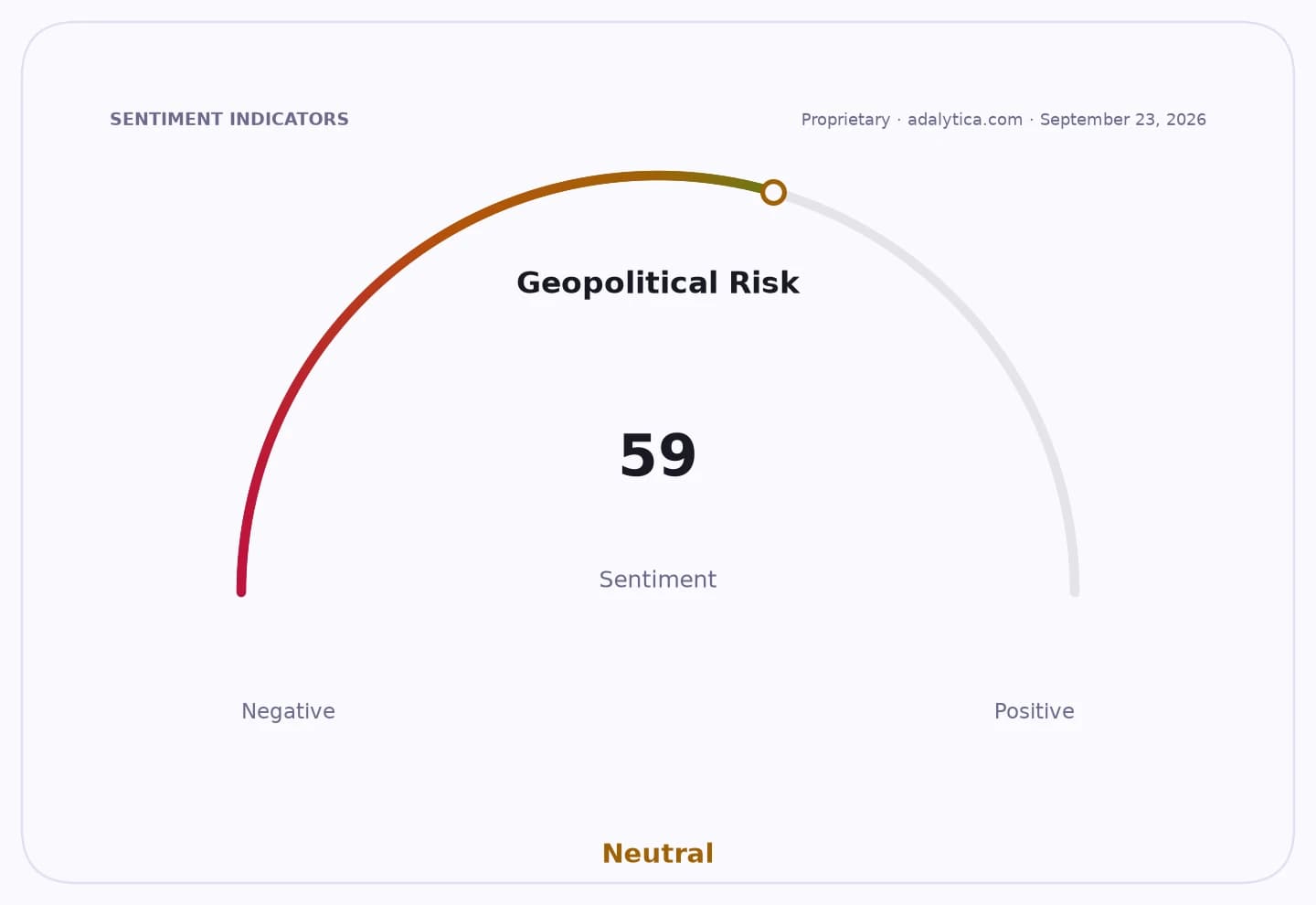
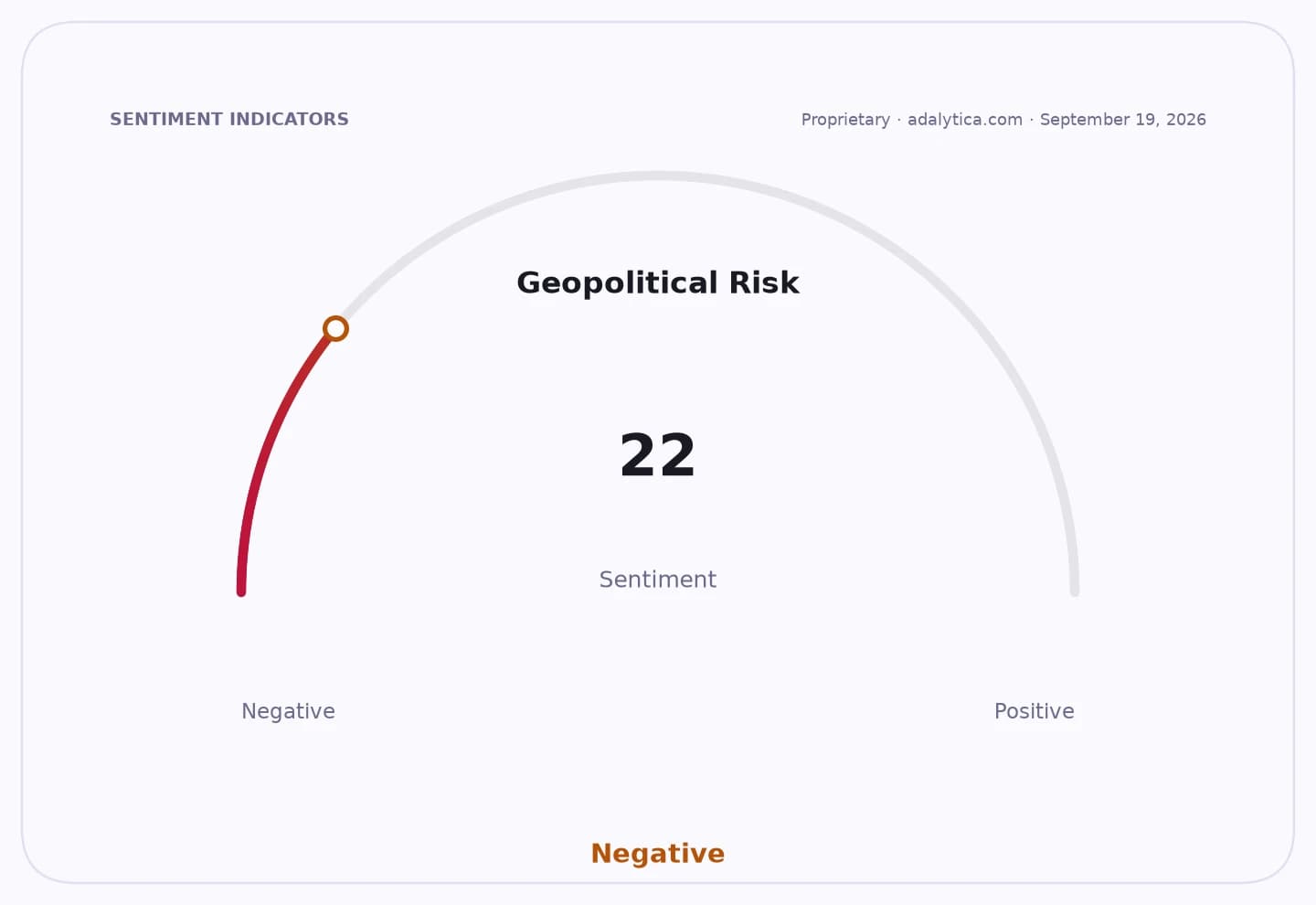
Sentiment IndicatorsⓘProprietary · adalytica.com · September 10, 2026
This is a snapshot — live sentiment, awareness and momentum for 130+ markets update continuously in the dashboard.Open AlphaPulse
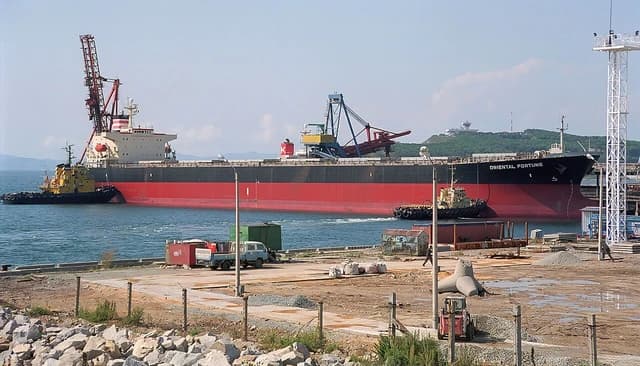
At a fixed price of €24.40 a tonne excluding VAT, the contract could provide a useful funding stream. But KEK said the money would first go toward operating and capital costs, with part of it earmarked for modernizing the coal production division. That makes the deal relevant not only to miners and utilities, but to Kosovo’s broader energy transition, where investment is needed on two fronts at once: keeping aging coal assets running reliably in the near term while building replacement capacity in renewables.
That tension is central to the economics of the deal. Kosovo holds an estimated 12.5 billion tonnes of coal resources, among the largest in Europe, yet its power system remains dependent on old plants at Kosovo A and Kosovo B that suffer unplanned outages. In 2025, the country produced 5,298 GWh of electricity against demand of 6,944 GWh, leaving imports to fill the shortfall. Exporting roughly 1 million tonnes a year would amount to about one-eighth of annual output from KEK’s coal production division, a scale that is manageable on paper but material enough that any disruption could hit domestic generation.

KEK says the contract includes safeguards allowing it to suspend shipments if coal supply to its own plants is endangered, while ESM bears extraction, loading and transport costs. That arrangement limits downside for Kosovo, but it does not remove the strategic question: whether selling raw coal is the best use of a resource that policymakers say the country ultimately wants to leave behind by 2050.
For investors and policymakers, the story is less about a one-off commodity sale than about capital allocation in a constrained energy market. If the money is spent only on short-term mine repairs, Kosovo risks locking itself deeper into an aging coal model. If it is directed into both mine modernization and plant rehabilitation, it could buy time for the renewable buildout the energy strategy requires, including a target of 1,600 MW of installed renewables by 2031 from 279 MW at the starting point.
The broader backdrop is favorable to coal in the near term. The International Energy Agency has forecast record global coal demand in 2026 as gas disruptions and energy security concerns push some countries back toward coal-fired generation. That supports the commercial logic of Kosovo’s export deal. But it also underscores the central contradiction: coal may still be cash-generative, yet in Kosovo it remains both a bridge asset and an obstacle to the cleaner grid the country says it wants.
For investors, the key takeaway is that this is a cash-flow story only if execution is disciplined. The deal can fund maintenance, upgrades and possibly better mining efficiency, but the economic value will depend on whether KEK uses the proceeds to improve reliability and productivity rather than simply postponing structural reform.
| Entity | Gains | Losses |
|---|---|---|
| KEK | ▲Cash flow and funding for upgrades | ▼Pressure to manage domestic supply |
| North Macedonia’s ESM | ▲Coal supply for power plants | ▼Exposure to import dependency |
| Kosovo power consumers | ▲Potentially better reliability later | ▼Risk if exports squeeze supply |
| Renewable sector | ▲Longer-term transition funding | ▼Delayed capital if proceeds favor coal |