Trade, catering and services in Russia’s Krasnodar region paid more than 75 billion rubles into the regional budget in the first nine months of 2026, underscoring how consumer-facing businesses remain one of the main engines of local tax revenue despite a changing economic backdrop.
Krasnodar Trade Sector Pays 75 Billion Rubles in Taxes
The sector accounted for 17.9% of all tax and non-tax income collected by the regional treasury, according to the Krasnodar administration. That makes the consumer economy not just a source of jobs and spending, but a critical pillar of public finances in one of Russia’s larger agricultural and tourist regions.
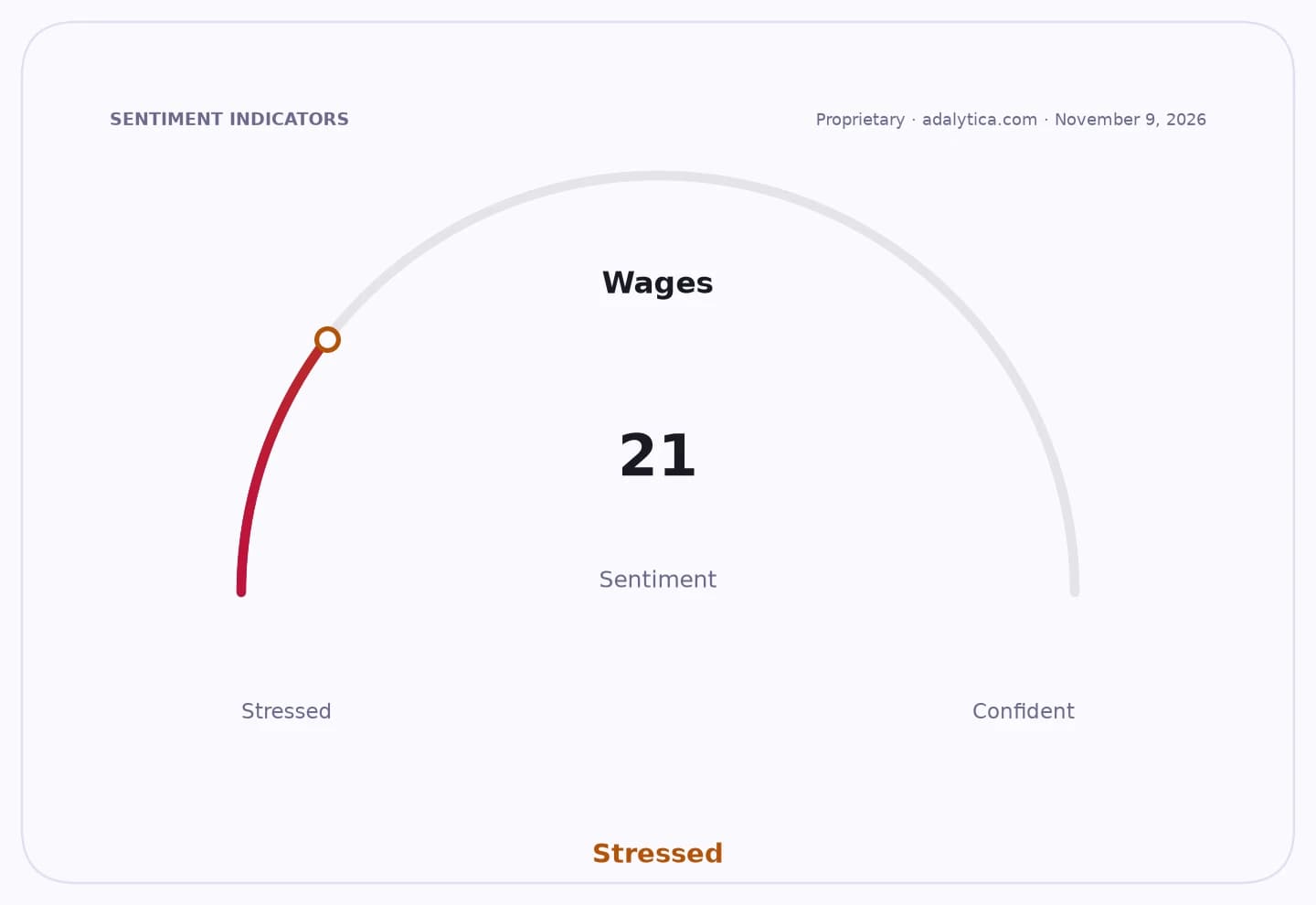
The biggest driver was personal income tax, which rose 7.6% to 27.7 billion rubles as wages climbed. That is important for investors and policymakers because payroll growth supports consumer demand while also lifting fiscal intake, giving regional authorities more room to fund spending without leaning as heavily on transfers or debt.
Property tax collections also increased 7.4% to 2.38 billion rubles, while receipts under the simplified tax regime reached 19.5 billion rubles, up 1.5% from a year earlier. State duty almost doubled to 422.9 million rubles after changes to Russia’s Tax Code that took effect on Aug. 31, 2025, showing how legal and administrative adjustments can quickly boost revenue.
Average monthly pay at large and medium-sized companies in the sector rose 11.2% to 81,100 rubles, slightly faster than the 10.6% increase across the region. For investors, that points to a relatively resilient consumer base in Krasnodar, where higher incomes can sustain retail sales, restaurant traffic and service demand even as broader economic conditions shift.
The question now is whether that wage-led revenue momentum can continue into year-end as tax rules settle and consumer spending adjusts. Any slowdown in payroll growth would quickly show up in regional receipts, while continued strength would reinforce the consumer sector’s role as a fiscal stabilizer.
| Entity | Gains | Losses |
|---|---|---|
| Krasnodar regional budget | ▲Higher tax revenue | ▼Less pressure relief if growth slows |
| Trade, catering and services sector | ▲Strong wage-led activity | ▼Higher tax burden from rising collections |
| Regional workers | ▲Faster pay growth | ▼Potential squeeze from inflation |
| Consumers and local businesses | ▲Stronger spending power | ▼Risk of weaker demand if payroll gains fade |