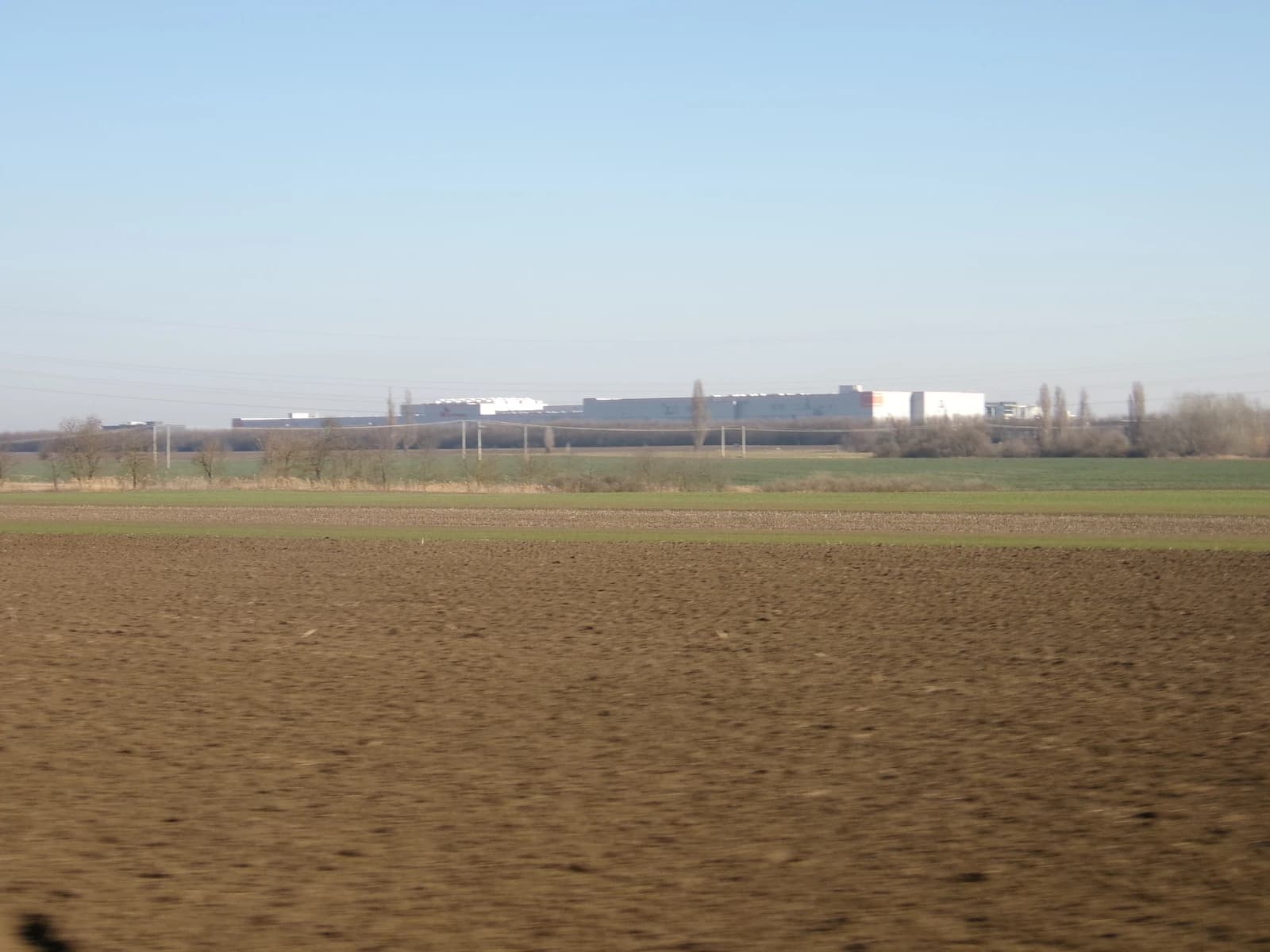
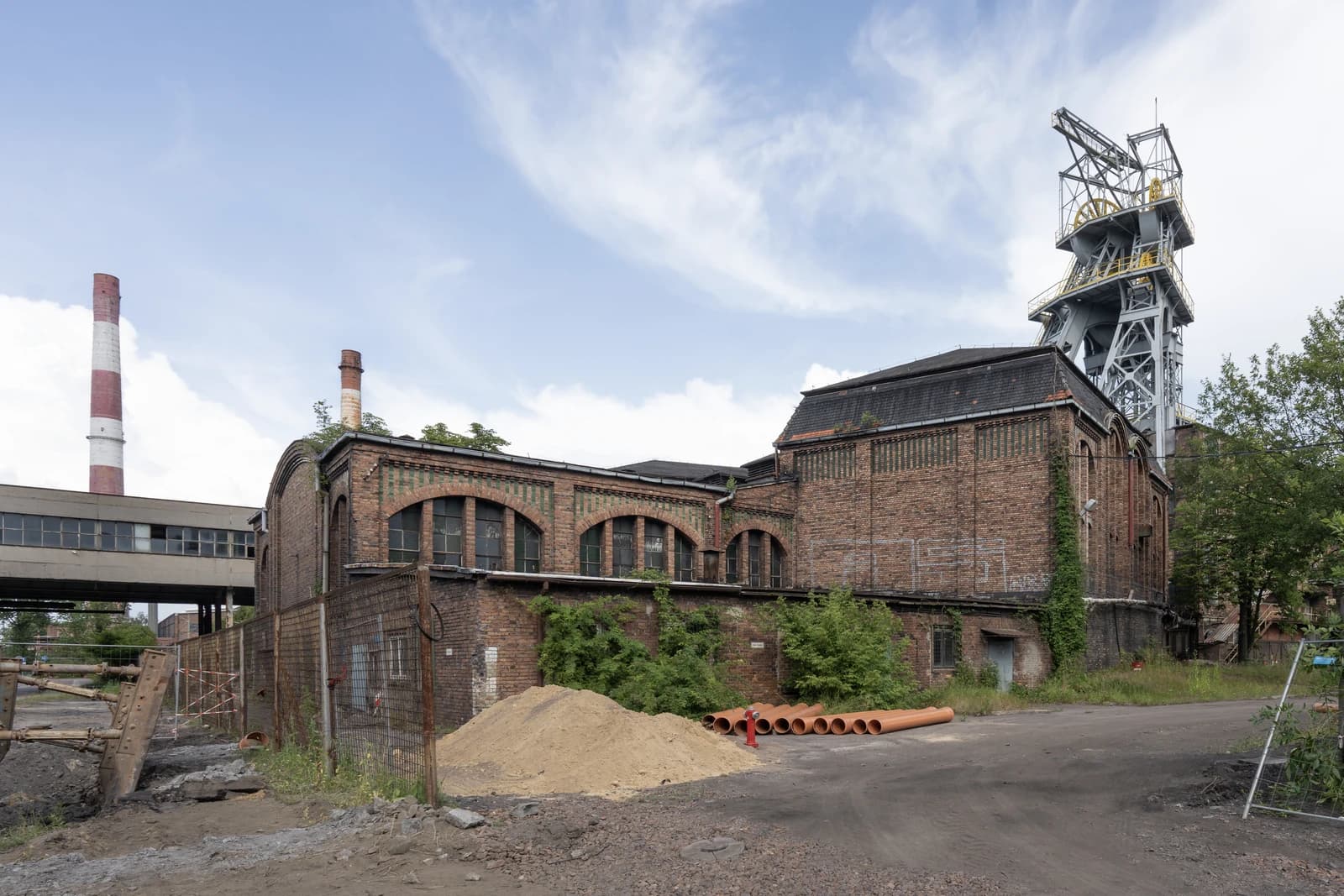
Layoffs at the Kwinana lithium refinery are the clearest sign yet that the battery-metals slump has moved from a pricing problem to an operating crisis.
Kwinana lithium refinery cuts jobs as losses mount
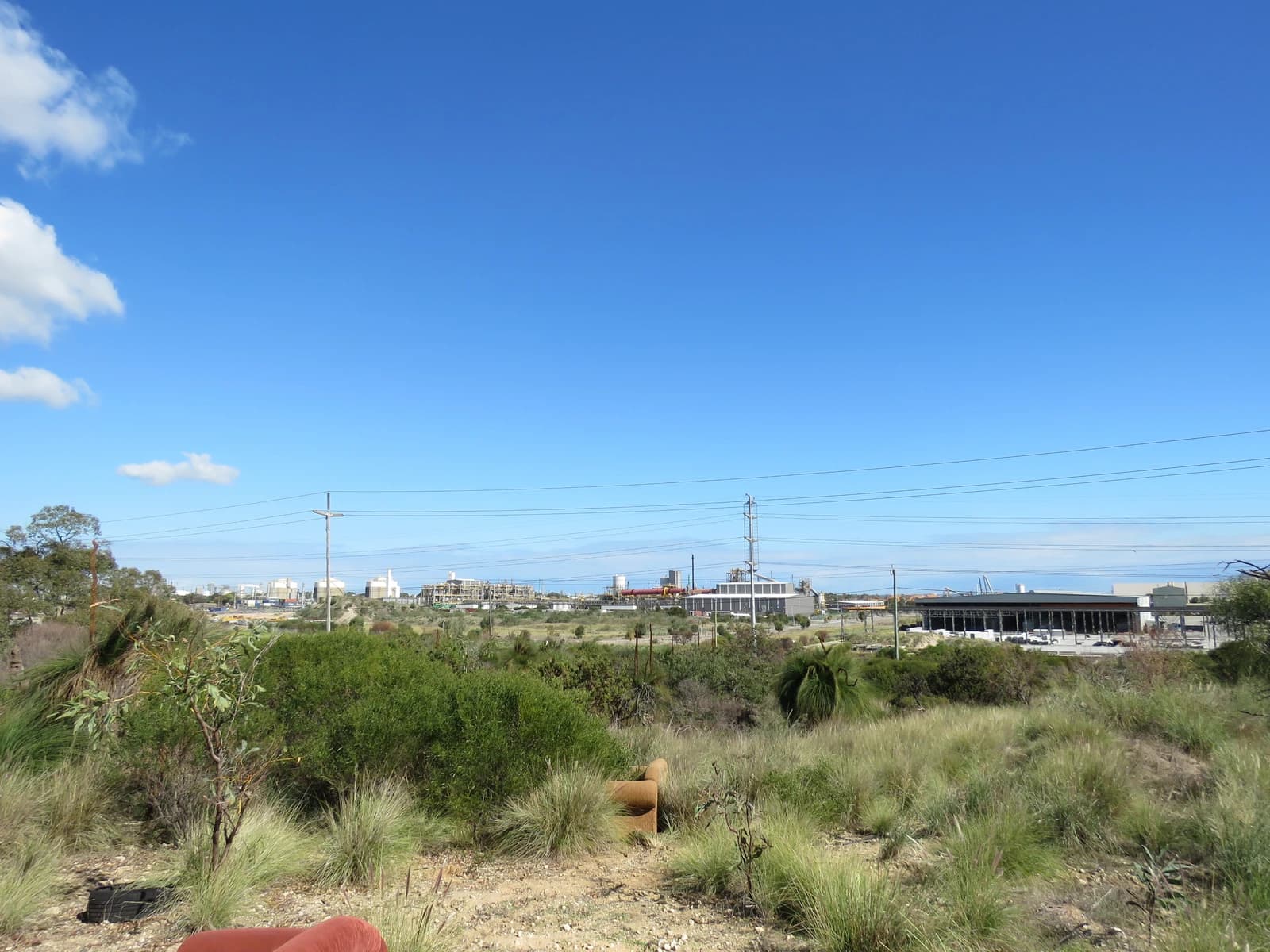
For investors, that matters because lithium is no longer just dealing with softer spot prices; producers are now protecting cash and trying to survive a market that has been strong enough in the past to fuel a wave of expansion, but weak enough now to punish marginal assets. When a refinery starts cutting jobs as cumulative losses approach $500 million, the economics of keeping capacity running at full tilt become much harder to defend.
The Kwinana plant sits at the sharp end of a broader global reset in lithium. Citi has already cut its price forecasts, reflecting weaker demand and persistent oversupply pressures, while India has responded by approving a ₹2,814 crore incentive package, or about $297 million, to support domestic lithium and nickel processing. That contrast captures the current market: governments still see battery metals as strategic, but private producers are being forced to absorb the pain of a cyclical bust.
This is why the layoffs matter beyond Western Australia. Refining is capital intensive, and once cash burn mounts, companies can no longer rely on a long-term electric vehicle story alone to justify near-term losses. Every cutback suggests management is prioritizing balance-sheet discipline over growth, and that tends to spill over into lower production, deferred maintenance and weaker supplier demand. For local economies, it means fewer jobs and less industrial activity. For shareholders, it raises the odds that the recovery in lithium prices, whenever it comes, will be slower than bulls hope.
The public market has already started to reflect that skepticism. SQM shares have slid sharply from earlier highs and remain well below their 200-day moving average, a sign that investors are still treating lithium as a challenged commodity group rather than a clean energy winner. That kind of setup can eventually create value for patient investors, but only if prices stabilize and producers can prove they can generate free cash flow through the cycle.
Long term, lithium still has a real role in electric vehicles, grid storage and the broader electrification trend. But the lesson from Kwinana is simple: even secular growth markets can go through brutal down cycles, and companies with high costs are usually the first to feel it. Investors should watch for further production cuts, asset write-downs and policy support, but for now this looks like a sector where discipline matters more than dreams.
| Entity | Gains | Losses |
|---|---|---|
| Low-cost lithium producers | ▲Better pricing power if supply exits | ▼Still exposed to weak sentiment |
| Kwinana refinery owners/operators | ▲Potential cost discipline | ▼Jobs, margins, and cash flow |
| EV and battery buyers | ▲Lower input costs | ▼Risk of supply disruption later |
| Government supporters of local processing | ▲More domestic capacity plans | ▼Budget pressure and slower private investment |