Korea’s leveraged ETF trade has become a volatility flashpoint, with the market’s sidecar mechanism triggered 24 times since the listing of the two-times product as investors crowd into amplified exposure to the KOSPI 200.
Leveraged Korea ETF Amplifies KOSPI Volatility
The significance is not the ETF wrapper itself, but what it does to market structure. Leveraged funds such as KODEX Leverage (122630.KS) must rebalance exposure as the underlying index moves, creating pro-cyclical buying in rallies and selling in selloffs. In a fast market, that can deepen futures moves and force the exchange’s sidecar system — designed to curb abrupt program-trading swings — into more frequent use.
The latest price action shows why regulators and investors are watching. KODEX Leverage fell to 150,695 won on July 10 from 227,365 won on June 25, a drop of about 34%. KODEX 200 (069500.KS), the unlevered benchmark ETF, declined about 17% over the same period, broadly matching the two-times exposure investors signed up for. The U.S.-listed iShares MSCI South Korea ETF (EWY) has also retreated, closing at $183.52 on July 10 after peaking above $211 in mid-June.
The swings follow a global ETF boom that has pulled a record $1 trillion into exchange-traded funds in the first half of 2026, even as flows remain concentrated in a narrow group of large or high-performing products and roughly 800 ETFs have struggled to attract meaningful assets. Korea’s leveraged ETF episode shows the other side of that growth: liquidity can migrate rapidly into products that are cheap to trade but mechanically amplify market direction.
Conventional technical indicators point to a market still above its longer-term trend but under short-term stress. KODEX Leverage closed below its 50-day moving average of 178,175 won on July 10, while remaining well above its 200-day average of 90,336 won. Its 14-day RSI was near 30, a level traders often associate with oversold conditions, and its MACD remained negative. KODEX 200 showed a similar pattern, trading below its 50-day average but above its 200-day average.
For investors, the issue is execution risk as much as direction. Leveraged ETF holders can see losses compound quickly when volatility rises, while market makers and derivatives desks face heavier hedging demands when futures gaps trigger sidecar restrictions. Long-only investors in Korean equities may benefit from deeper ETF liquidity in calm markets, but that liquidity can thin when one-way flows hit the futures market.
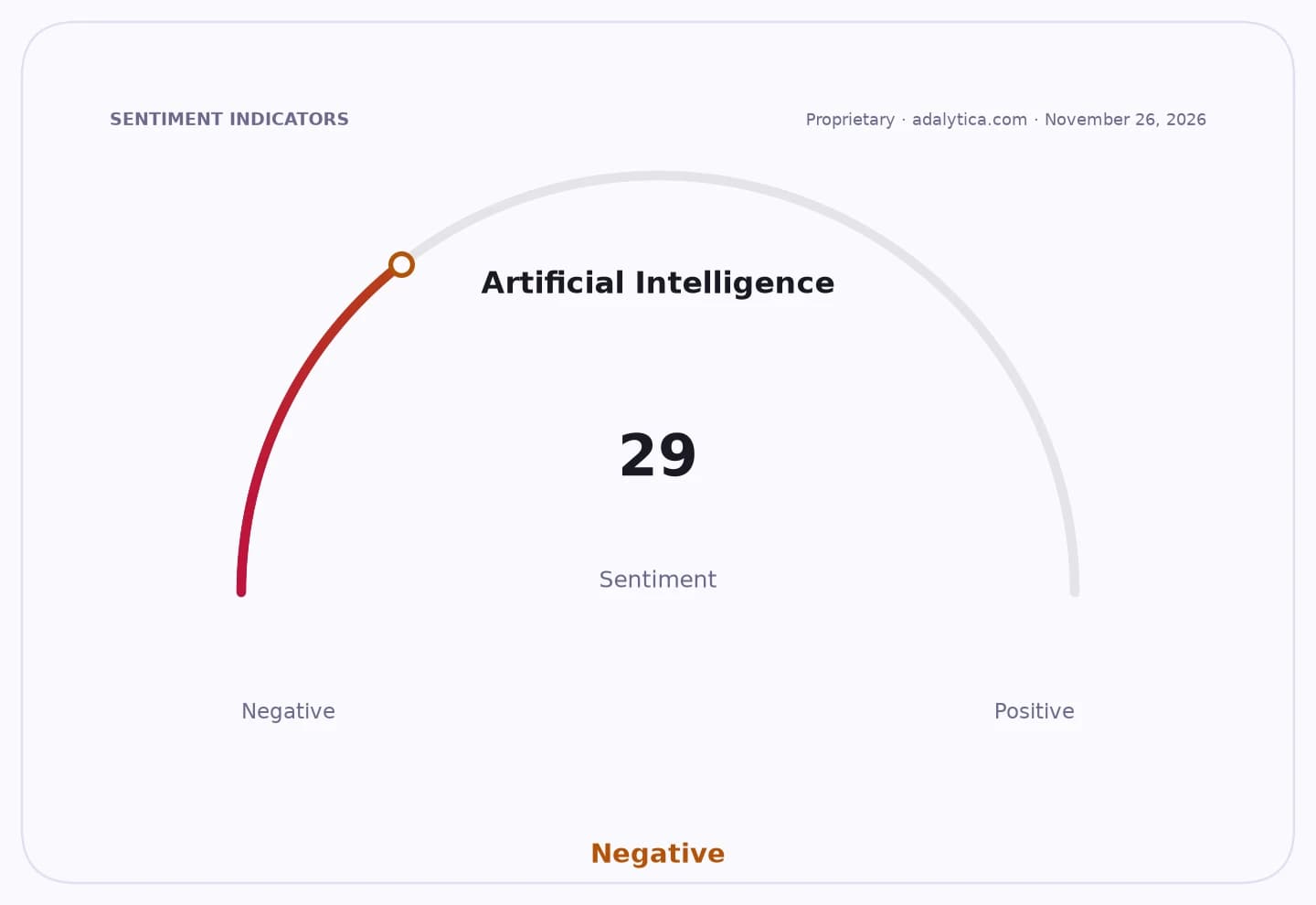
Adalytica.com’s proprietary sentiment gauge for leveraged ETF volatility stood at 0.35, consistent with a cautiously constructive backdrop rather than broad risk aversion. That leaves the next phase dependent on whether Korean equities stabilize after the sharp pullback or whether renewed index swings force more sidecar interruptions and turn leveraged ETF rebalancing into a larger market event.
| Entity | Gains | Losses |
|---|---|---|
| Leveraged ETF traders | ▲Amplified upside | ▼Compounded drawdowns |
| ETF issuers | ▲Higher turnover | ▼Regulatory scrutiny |
| Market makers | ▲Wider trading activity | ▼Hedging stress |
| Long-only Korea investors | ▲Deeper liquidity | ▼Higher volatility |