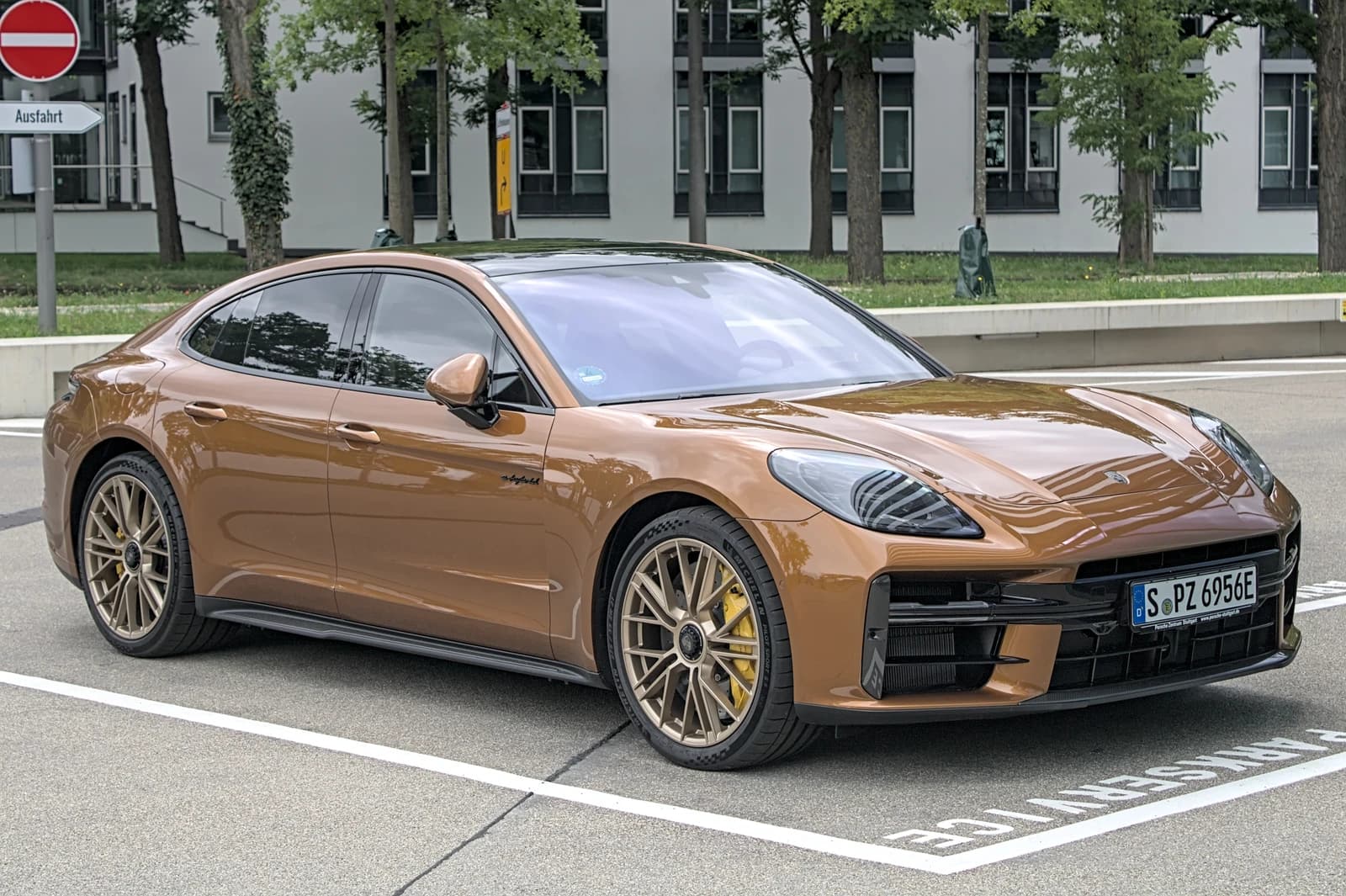
Lexus is set to bring the ES 2026 to Vietnam on Oct. 7, and the bigger story for the premium-car market is that the new range starts with a hybrid rather than a pure gasoline model, sharpening price and technology competition against Mercedes-Benz, BMW and Volvo.
Lexus ES 2026 launches in Vietnam Oct. 7
The launch matters because Vietnam’s luxury midsize sedan segment has become a contest not just of badges, but of powertrain strategy and relative value. Lexus’ new ES line-up spans three versions — ES 350h Premium, ES 350h Luxury and ES 500e — with expected prices of 2.36 billion dong, 2.58 billion dong and 2.98 billion dong, respectively. That puts the entry model below or near some rival German offerings while giving Lexus a cleaner electrification pitch than the outgoing ES, whose base version used a conventional gasoline engine.
For buyers, the new pricing structure suggests Lexus is trying to defend share with a more compelling standard specification rather than rely on brand cachet alone. The hybrid ES 350h uses a 2.5-liter gasoline engine paired with an electric motor and e-CVT transmission, producing 243 horsepower and 235 Nm of torque. The fully electric ES 500e, the first battery-electric version in the segment, adds 338 horsepower and a 74.7 kWh battery for up to 402 km of range. That combination gives Lexus a broader answer to changing urban demand, where fuel efficiency, lower running costs and electrification are increasingly part of the purchase decision.
The move also increases pressure on established rivals. Mercedes-Benz’s E-Class, BMW’s 5-Series and Volvo’s S90 remain the benchmarks in the segment, but Lexus is now offering a lineup that blends hybrid efficiency with an EV halo at prices that keep it in the same decision set for affluent Vietnamese buyers. In a market where automakers are already leaning on discounts and incentives to move high-end inventory, a better-equipped hybrid entry model could prove more effective than headline sticker cuts.
There is also a strategic angle for Lexus’ parent Toyota, which has long used hybrid technology to differentiate itself in markets that are not yet fully ready for a rapid switch to battery-electric vehicles. The ES 2026 extends that playbook in Vietnam, where charging infrastructure is still developing and luxury buyers often want a lower-risk transition from combustion to electrification. The EV version adds optionality, but the hybrid is likely to do the volume work.
For investors in the premium auto value chain, the signal is that competition in Southeast Asian luxury sedans is becoming more technology-led and more price-sensitive at the same time. Brands that can combine electrified powertrains, recognizable design and competitive pricing are better placed to defend margins than those relying solely on discounting. The key test will be whether Lexus can convert the stronger spec sheet into share gains against German incumbents without eroding profitability.
| Entity | Gains | Losses |
|---|---|---|
| Lexus / Toyota | ▲Stronger value proposition | ▼Less room for premium pricing |
| Vietnamese buyers | ▲More electrified choices | ▼Fewer reasons to pay up for rivals |
| Mercedes-Benz, BMW, Volvo | ▲Need to respond on price/spec | ▼Share pressure in midsize luxury sedans |
| Dealers and distributors | ▲Fresh launch traffic | ▼Inventory pressure if demand slows |