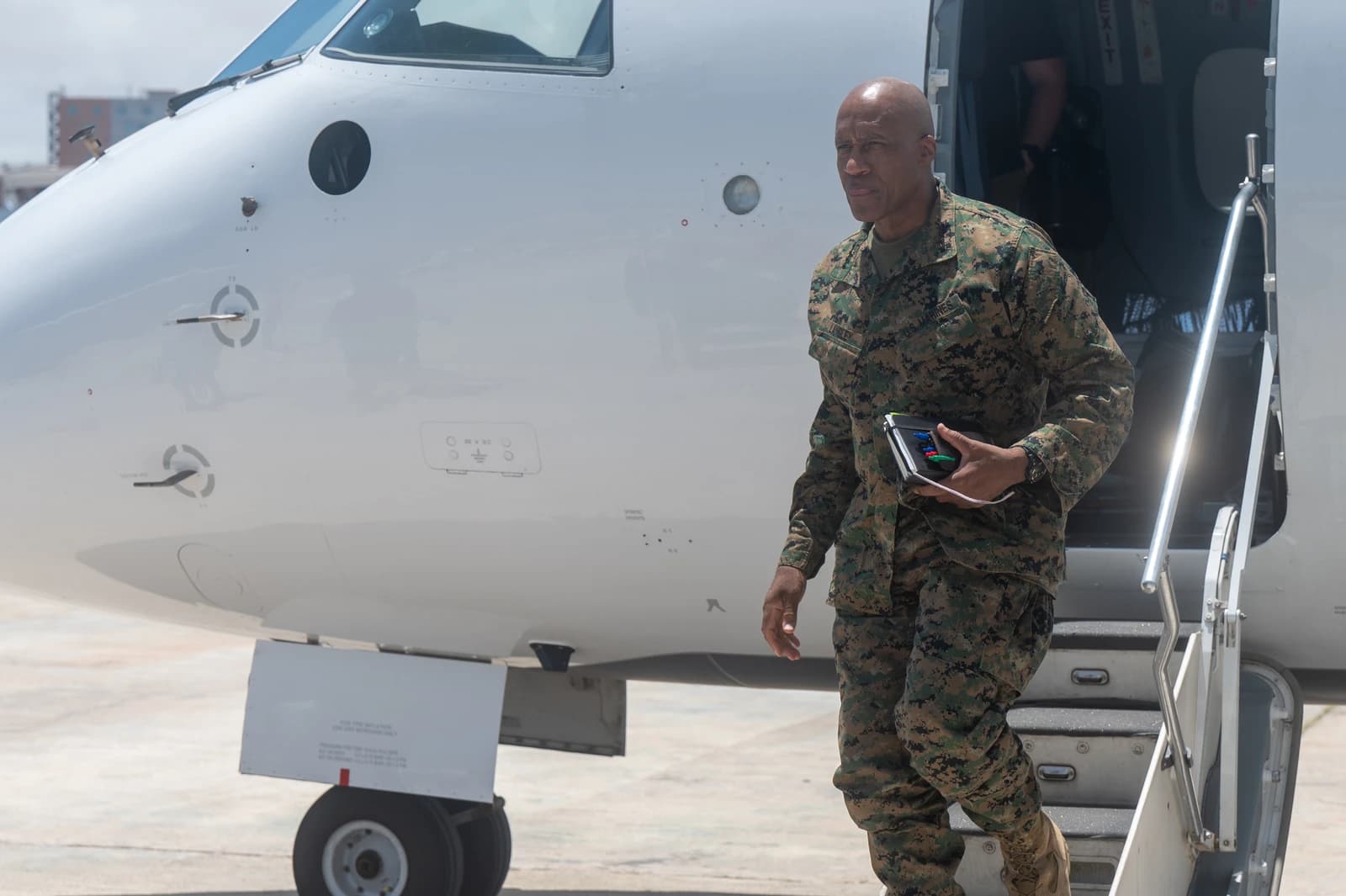
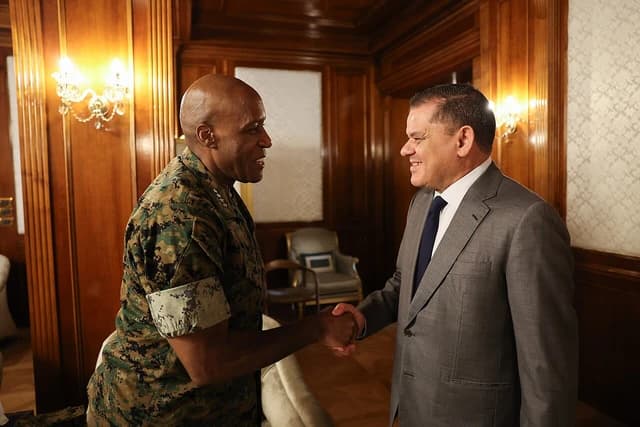
US Treasury officials met in Washington with a delegation from Libya’s Dabaiba government as Tripoli seeks outside support for economic stabilization, fiscal reform and tighter oversight of its financial system.
Libya and US Treasury discuss fiscal reform
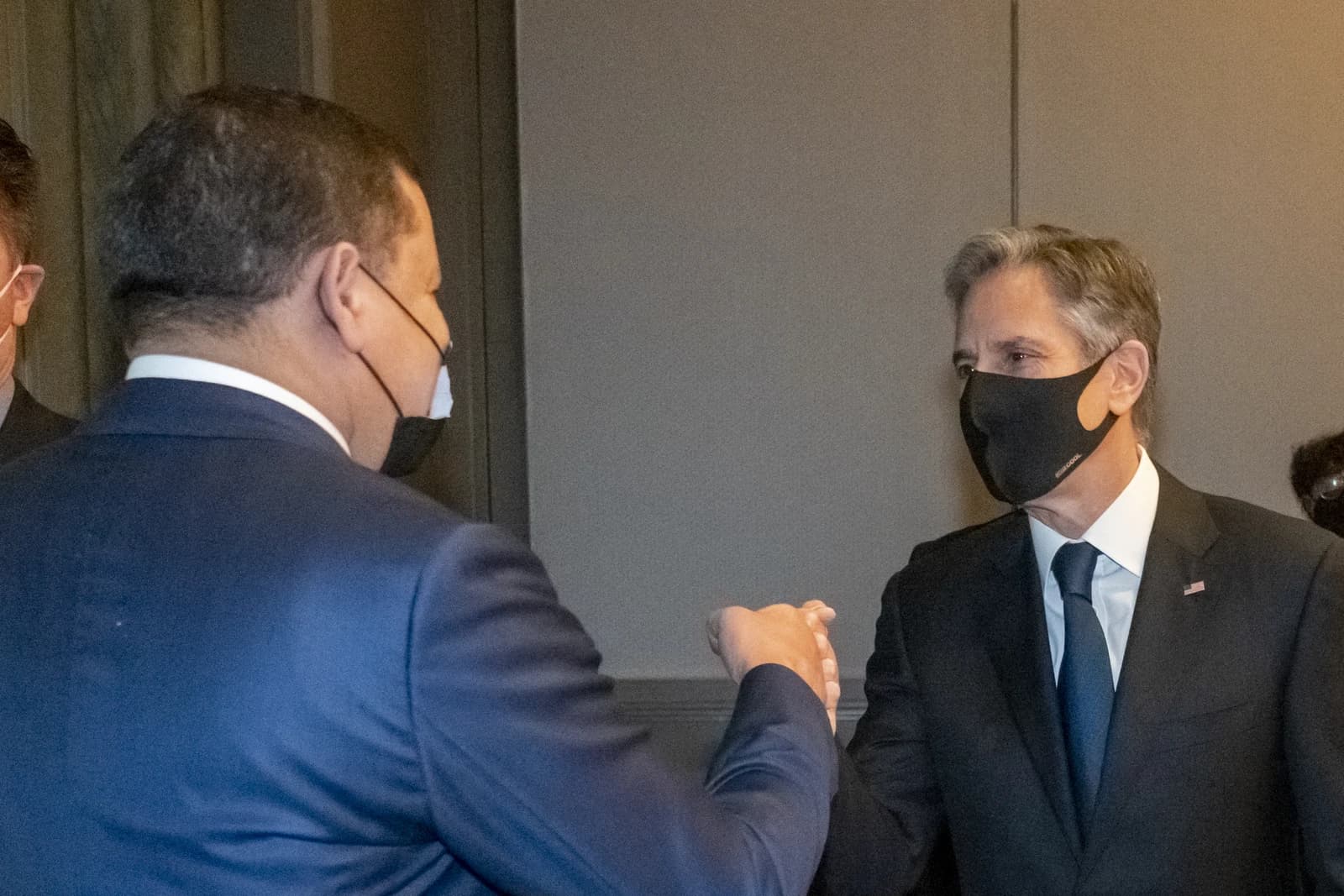
The talks matter because Libya’s recovery still hinges on whether rival institutions can coordinate on budgets, banking supervision and revenue management in a country where political fragmentation has repeatedly derailed reform. A stronger line of communication with the US Treasury also signals that Washington is treating financial integrity and compliance as part of Libya’s broader stability file, not just a diplomatic side issue.
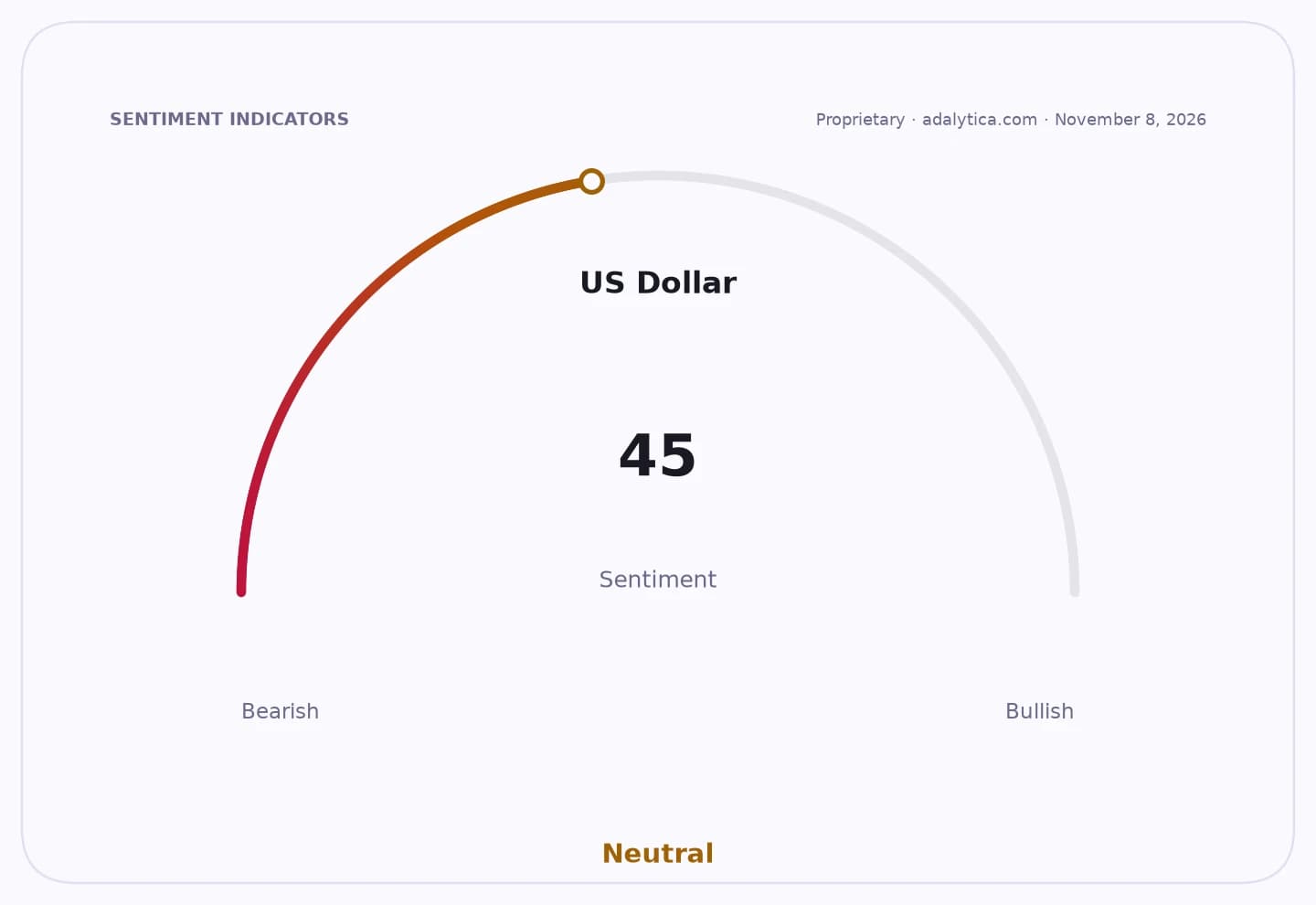
Sentiment Indicators
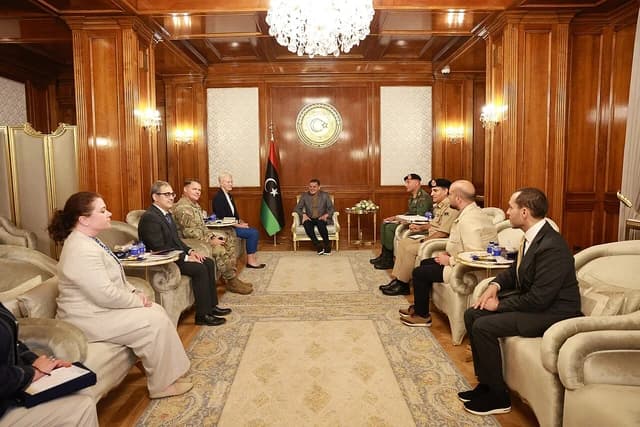
According to the Libyan report, the meeting focused on developments in Libya’s economy and monetary policy, priorities for fiscal reform and closer coordination between economic and financial institutions. The US side stressed the importance of sticking to a development agreement it said supports economic stability and implementation of development priorities.
The two sides also discussed expanding cooperation on anti-money laundering, financial crime and terrorism financing, along with technical expertise, compliance and financial transparency. That is economically significant for Libya because weak controls over cash flows, public spending and state-linked financial channels have long raised the cost of doing business and complicated access to international finance.
For investors and counterparties, the immediate implication is that any improvement in Libya’s governance framework could reduce risk premia over time, especially in sectors tied to energy, infrastructure and trade finance. Better compliance standards would also be relevant for foreign firms trying to navigate sanctions risk, correspondent banking access and payment bottlenecks.
The timing is notable. Libya remains split between competing political centers, and reform efforts have repeatedly stalled when institutional cooperation breaks down. That fragility is part of the reason international engagement now tends to focus less on headline promises and more on the plumbing of the economy: budget discipline, central bank coordination, oversight and anti-corruption controls.
Markets have also been reminding investors how sensitive the broader environment is to geopolitical and policy shocks. Oil-linked funds and equity risk gauges have shown heavy volatility in recent sessions, underscoring how quickly capital can retreat when uncertainty rises. For Libya, whose fiscal position and external balance are closely tied to hydrocarbons, that means reform credibility matters almost as much as policy content.
The bullish case is that sustained engagement with US officials could help Libya move toward better financial transparency and a more predictable investment climate. The bearish case is that without political consolidation at home, technical talks in Washington may produce limited follow-through. For now, the meeting is less a breakthrough than a sign that Libya’s economic file remains alive on the international agenda.
| Entity | Gains | Losses |
|---|---|---|
| Dabaiba government | ▲International legitimacy | ▼Reform pressure |
| US Treasury | ▲Compliance influence | ▼Diplomatic bandwidth |
| Libyan banks | ▲Better oversight framework | ▼Short-term adjustment costs |
| Foreign investors | ▲Lower policy risk if reforms advance | ▼Continued uncertainty if talks stall |