Somalia has won a one-year US extension of funding for international military operations against Al-Shabaab, buying time for a security campaign that was on the verge of losing the logistics backbone it depends on.
Somalia Wins One-Year US Security Funding Extension
That matters because the fight against the al-Qaeda-linked insurgency is not just a battlefield issue for Mogadishu. It is the central test of whether Somalia can avoid sliding back toward state collapse, keep trade routes open, and convince investors and donors that the country is stable enough to support long-term growth. Without the UN Support Office for Somalia, or UNSOS, the African Union mission could have struggled to keep troops supplied, mobile and effective.
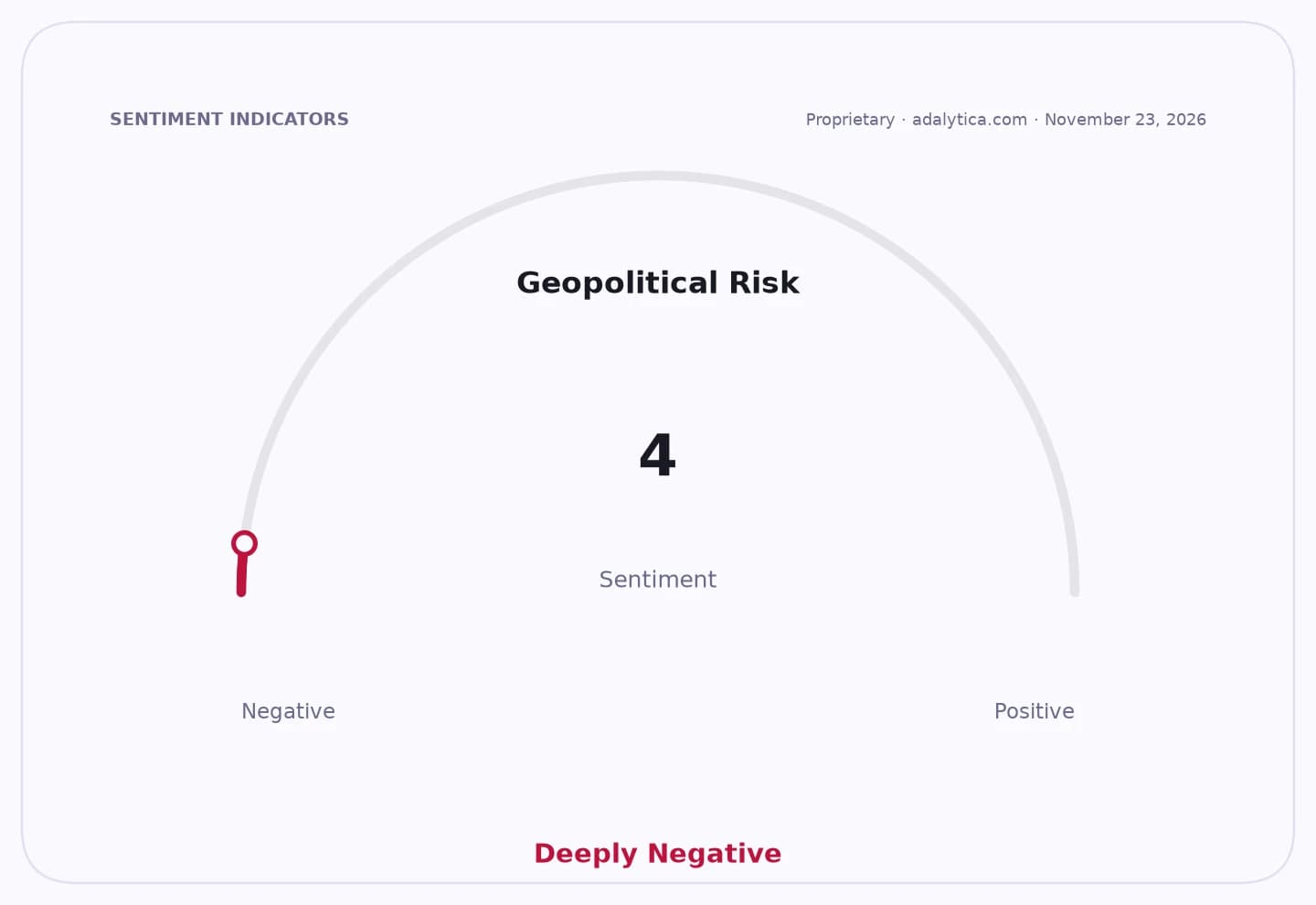
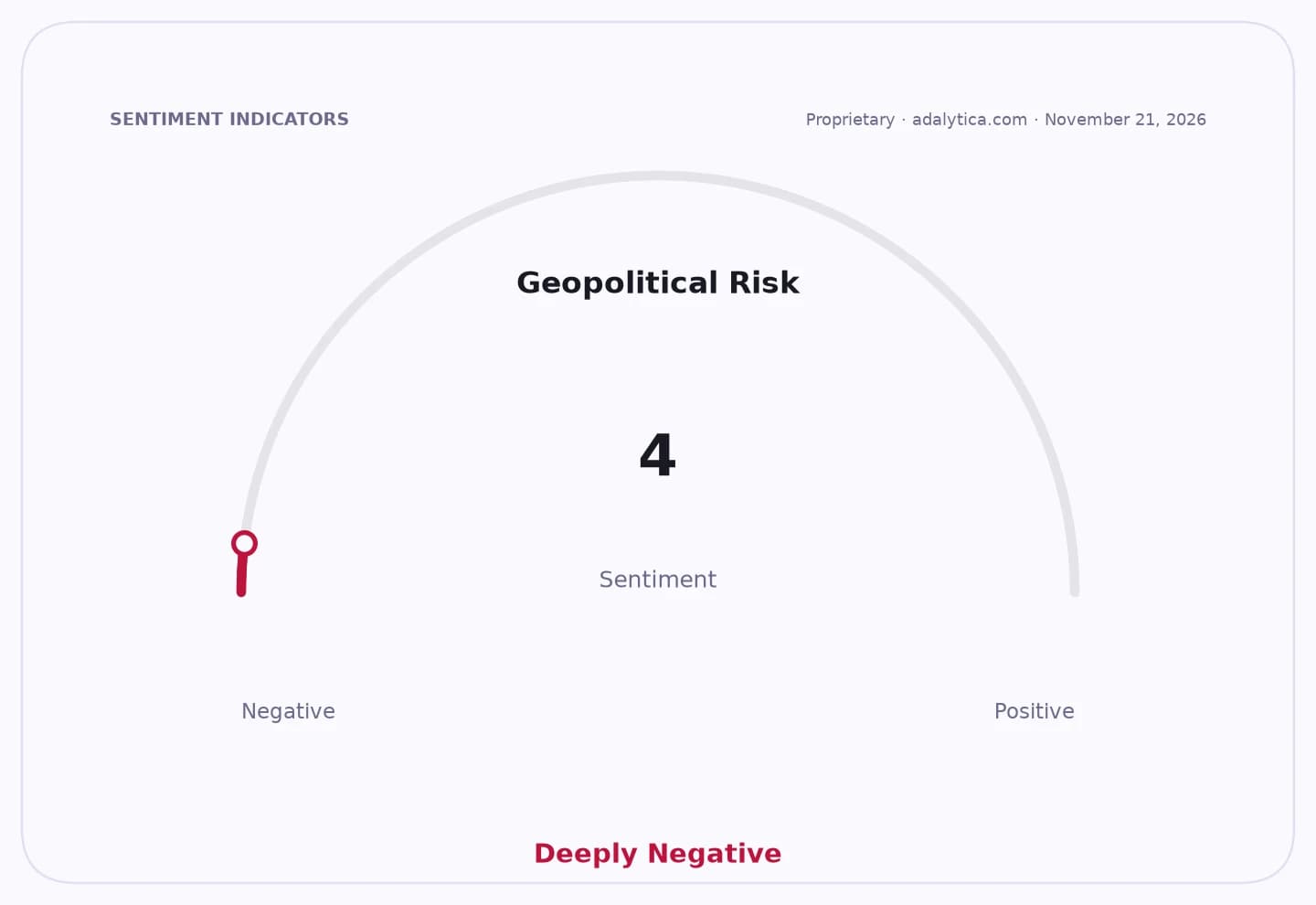
Sentiment Indicators
Washington’s reversal is also a reminder that Somalia’s security picture remains deeply fragile. The US had earlier cut funding and set a deadline for UNSOS to wind down by the end of 2027, saying Mogadishu had failed to show enough progress against Al-Shabaab or take ownership of security reform. Now it has agreed to support a one-year renewal of the mandates for UNSOS and the African Union Support and Stabilization Mission in Somalia, known as AUSSOM.
For investors, the immediate market impact is limited, but the broader implications are real. Somalia’s stability affects aid flows, infrastructure development, regional trade and the operating environment for businesses in Mogadishu and beyond. A weaker counterinsurgency campaign would raise the risk premium on any long-term capital tied to the Horn of Africa, from ports and logistics to telecoms and consumer demand. A sustained international security presence, by contrast, can help protect the thin gains that underpin economic normalization.
Geopolitical Risk
The timing also highlights how political dysfunction at home is undercutting Somalia’s security effort. President Hassan Sheikh Mohamud has faced backlash after pushing through constitutional changes that added a year to his term, and last week he fired the chief justice as the court was poised to rule the extension illegal. That kind of institutional turmoil weakens the government’s credibility just as Al-Shabaab is pressing its own advantage.
The insurgents have remained resilient despite years of operations against them. They still control large areas of central Somalia, have access to business networks that help fund them, and recently claimed a deadly ambush on elite Somali troops. Uganda, the largest troop contributor to the mission, has also said it will withdraw by the end of next year, underscoring how dependent the campaign remains on outside support.
The bigger narrative is simple: Somalia is still fighting two battles at once, one against Al-Shabaab and another against political fragmentation at the top. The US funding renewal does not solve either problem, but it does prevent an immediate security setback that could have rippled across the region. For long-term investors, that makes Somalia worth watching, not because the story is solved, but because keeping the state intact is the first condition for any durable economic opportunity.
| Entity | Gains | Losses |
|---|---|---|
| Somalia government | ▲Security breathing room | ▼Pressure to reform faster |
| African Union mission | ▲Logistics funding | ▼None immediately |
| Al-Shabaab | ▲None | ▼Counterinsurgency stays alive |
| US policymakers | ▲Regional stability buffer | ▼Harder leverage over Mogadishu |