Lucknow has overtaken Indore to become India’s cleanest city in the latest Swachh Vayu Survey, a sign that urban air-quality efforts are beginning to shift the competitive map among major Indian cities even as pollution remains a structural risk for public health and economic activity.
Lucknow overtakes Indore in Swachh Vayu Survey
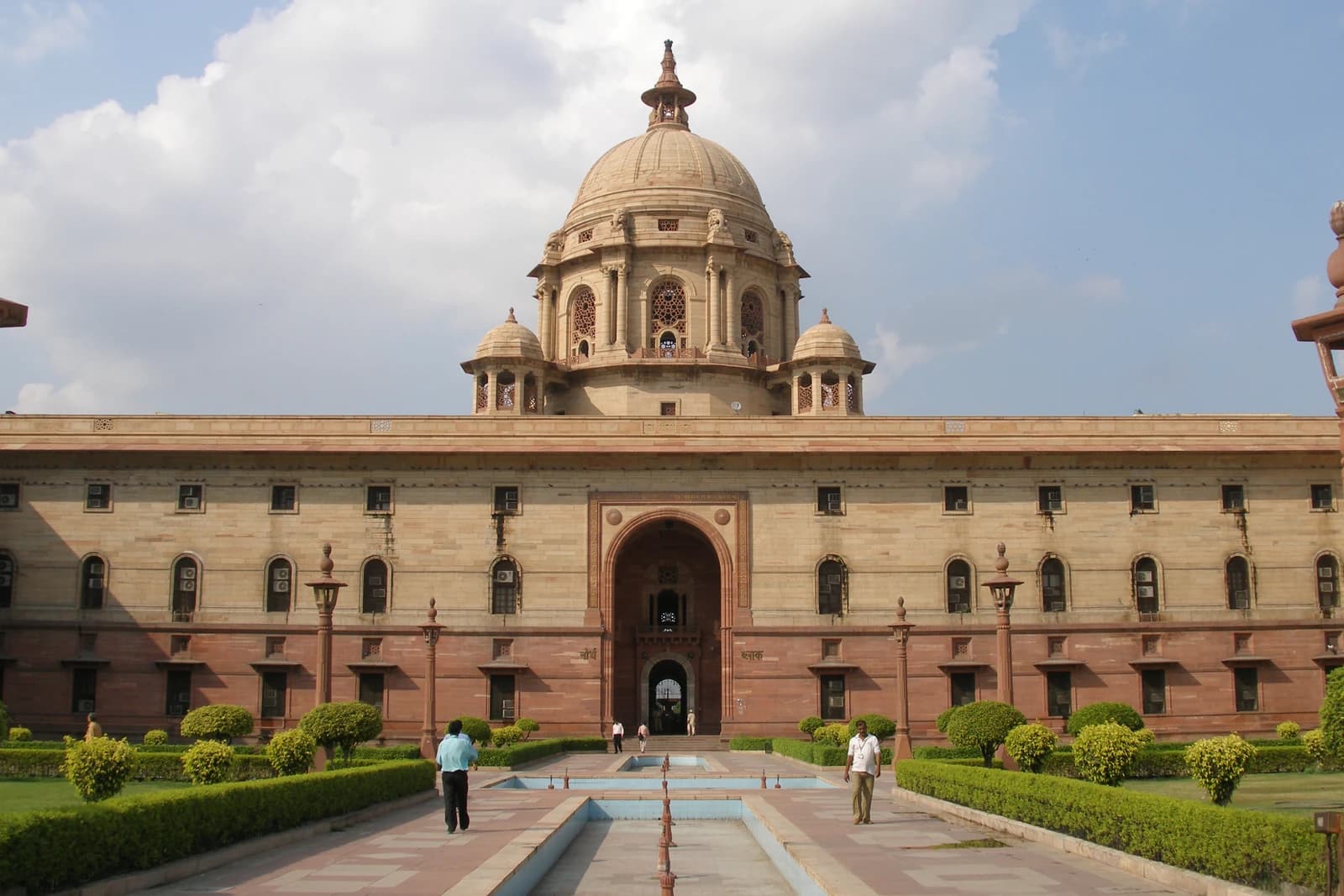
The change matters because cleaner air is no longer just an environmental metric: it affects labour productivity, healthcare costs, migration patterns and the attractiveness of cities for employers, developers and consumers. For investors with exposure to urban infrastructure, housing, logistics and commercial real estate, the ranking is also a proxy for how well local administrations are managing one of India’s most persistent policy failures.
Indore, long a reference point for municipal cleanliness and civic administration, slipped to second place after PM10 levels rose. That detail is important. PM10 remains one of the most politically and economically sensitive measures of urban pollution because it is closely tied to respiratory illness, school and workplace disruption, and the broader quality-of-life premium that can influence where companies choose to expand and where skilled workers want to live.
Delhi’s relative improvement — ranking above Srinagar and Bengaluru despite its chronic pollution problem — suggests some progress in air-quality management, though not nearly enough to remove the capital from the list of cities investors and policymakers watch most closely during the winter smog season. The survey points to a fragmented picture: some cities are making measurable gains, while others are slipping back as particulate loads remain stubbornly high.
For policymakers, the ranking is a reminder that India’s air-quality problem is increasingly a city-by-city competition rather than a single national average. For investors, that means local governance is becoming a more material variable in assessing demand, operating costs and long-term asset value. Cities that can sustain lower particulate levels may gain an edge in talent retention and premium urban development, while those that fall behind could face higher healthcare burdens and weaker livability scores.
The broader narrative is that India’s urban pollution battle is starting to produce winners and losers. But the gains remain fragile. Without tighter enforcement, cleaner transport and sustained industrial controls, any improvement in rankings can reverse quickly — as Indore’s fall shows.
| Entity | Gains | Losses |
|---|---|---|
| Lucknow | ▲Cleaner-city ranking | ▼Higher expectations |
| Indore | ▲Civic visibility | ▼Top spot, PM10 standing |
| Delhi | ▲Relative air-quality improvement | ▼Still a pollution hotspot |
| Urban India policymakers | ▲Benchmark for action | ▼Pressure to deliver sustained cuts |