Lululemon’s earnings multiple is getting cut down to size as investors focus on a far more important problem: the business is contracting, and that can pull the company’s earnings yield much lower even after the stock’s recent rebound. The same squeeze is hitting peers Abercrombie & Fitch and Urban Outfitters, underscoring that apparel demand is losing momentum just as valuations still assume growth.
Lululemon shares stay below 200-day average
LULU shares have been volatile and are now trading far below their recent highs, with the stock at $120.07 on Sept. 2 after touching $215.11 in December. The latest price sits just above the 50-day moving average of $118.46, but well below the 200-day average of $153.33, a sign the longer-term trend remains weak despite a short-term bounce. Technical readings are mixed rather than decisive, with RSI at 50.7 and MACD still slightly negative.
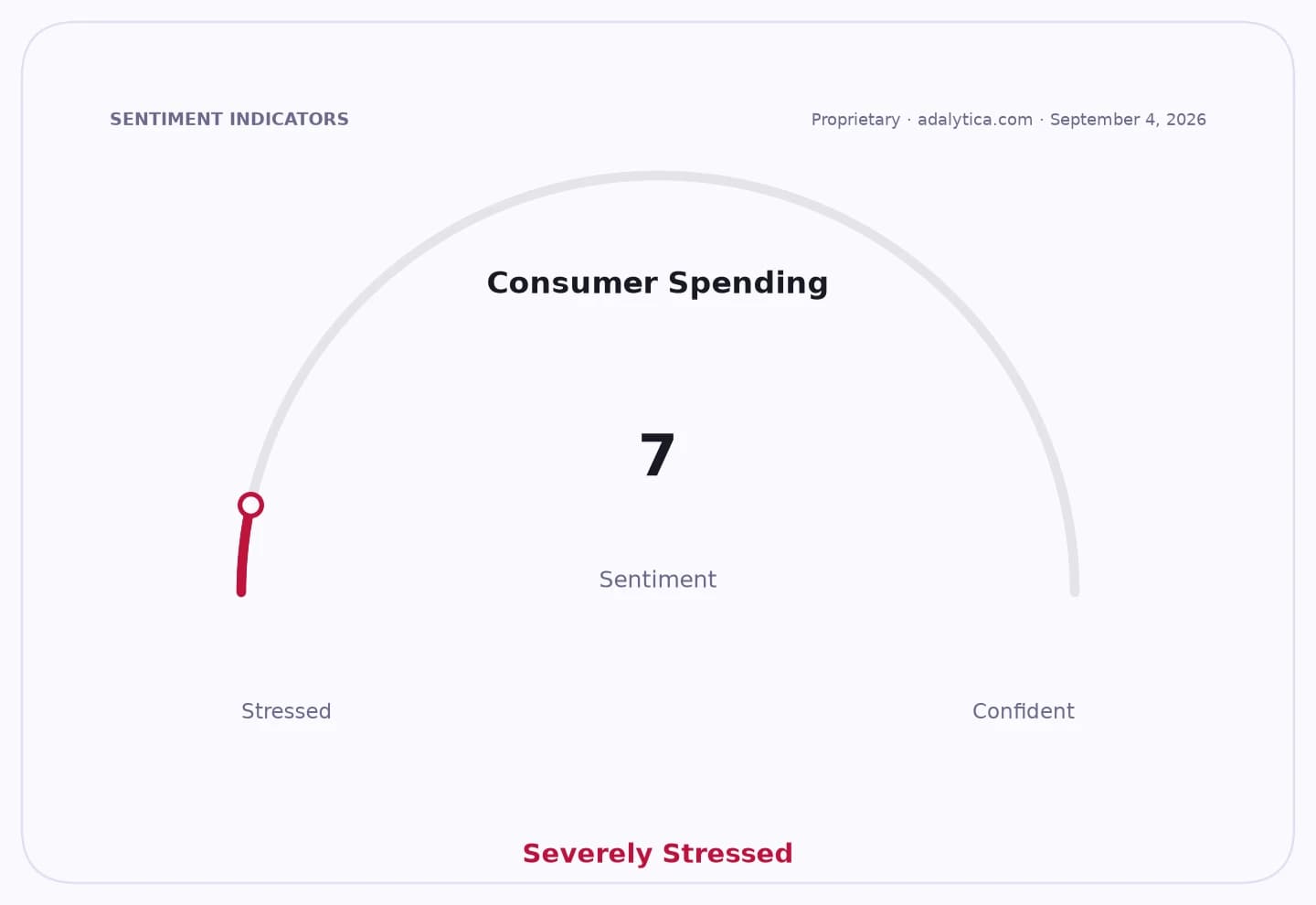
Sentiment IndicatorsⓘProprietary · adalytica.com · September 4, 2026
This is a snapshot — live sentiment, awareness and momentum for 130+ markets update continuously in the dashboard.Open AlphaPulse
The bigger issue for investors is that the market is no longer willing to pay up for brands that are losing operating momentum. The comment that a 10% earnings yield could “go quite a bit lower” lands because it reflects compression in future earnings, not just a lower share price. If sales and margins keep softening, the current earnings base becomes less useful as a valuation anchor.
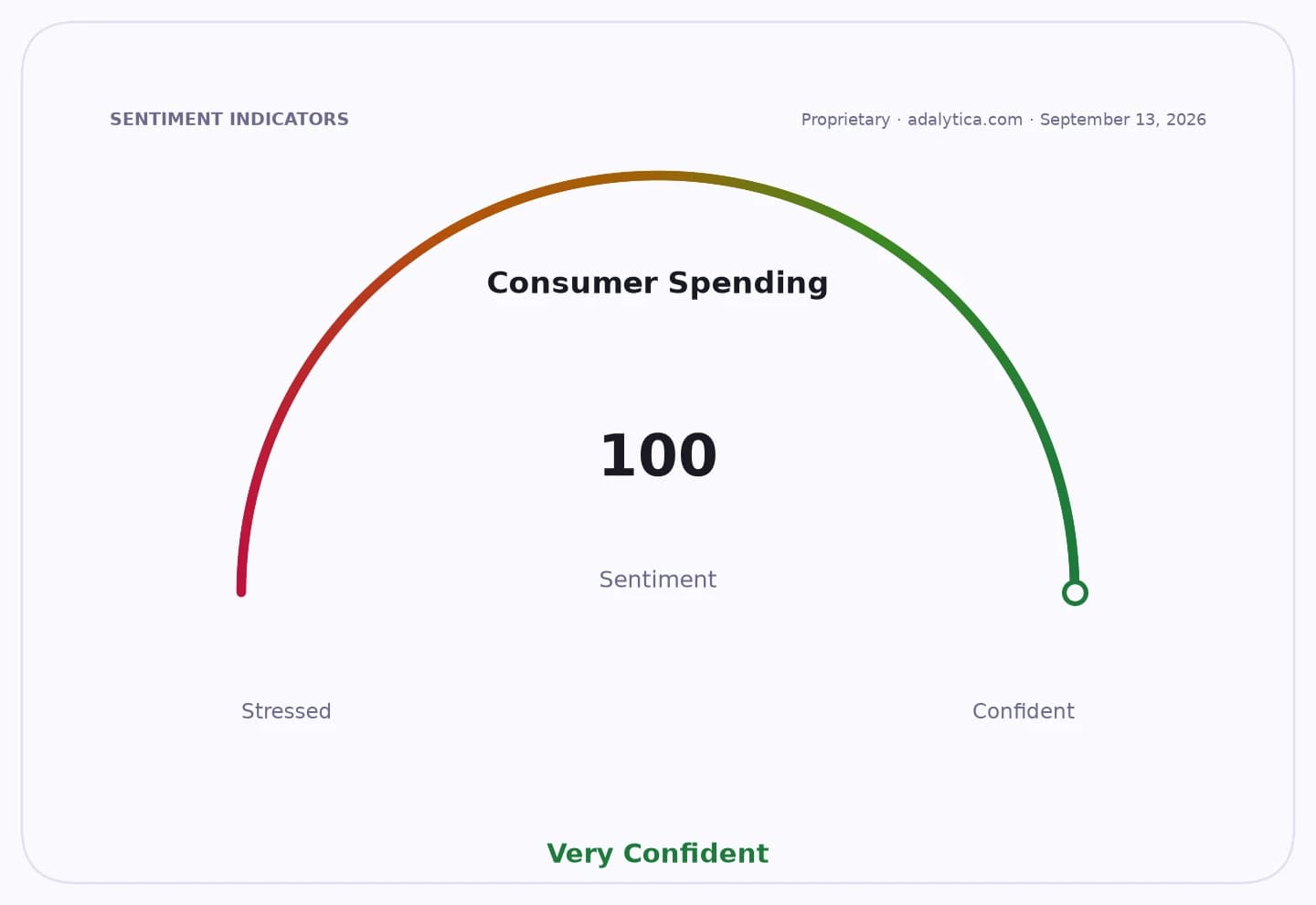
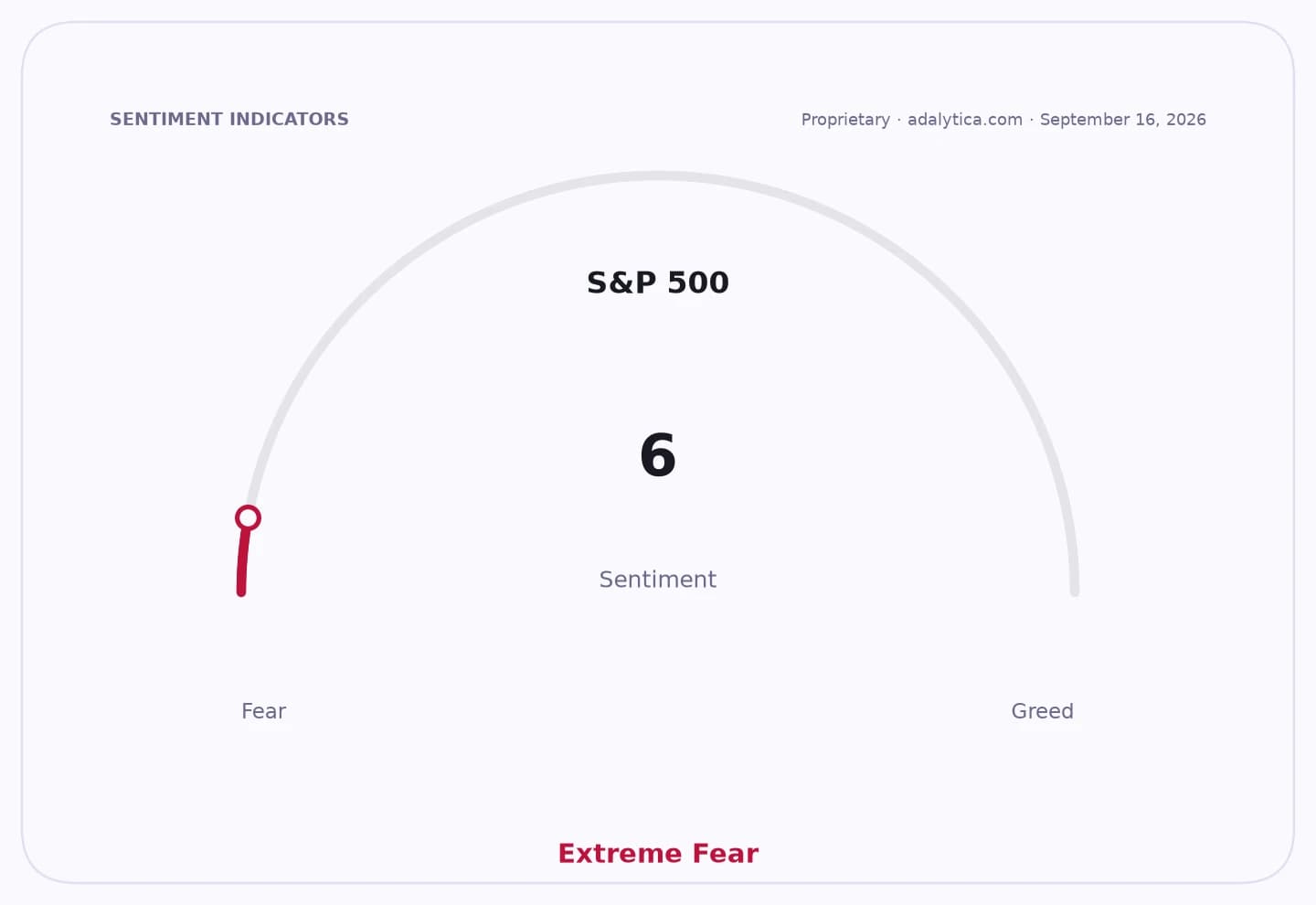
Consumer demand is flashing the same warning across the sector. Adalytica’s Consumer Spending Sentiment gauge is at 7, labeled Extreme Fear, after a 52-point one-day drop, while its S&P 500 trade signals also sit in Extreme Fear territory. For apparel names that rely on discretionary spending and strong brand pricing, that backdrop raises the risk of deeper markdowns, slower inventory turns and weaker margins.
The stock action in peers reinforces the point. Urban Outfitters closed at $78.75 on Sept. 2, below its recent peak but still well above its 200-day average, while Abercrombie ended at $136.60 after a sharp run-up from much lower levels earlier in the year. Those moves suggest investors are still rewarding select winners, but they are also quick to punish any hint that growth has peaked.
For Lululemon, the near-term catalyst is whether management can prove the contraction is temporary. Until sales stabilize and earnings estimates stop moving lower, the market is likely to treat rallies as opportunities to reset valuation rather than as a durable recovery.
| Entity | Gains | Losses |
|---|---|---|
| Shorts | ▲Lower valuation multiples | ▼Momentum reversals |
| Long-term growth investors | ▲Better entry points | ▼Near-term earnings compression |
| Lululemon | ▲Possible reset in expectations | ▼Contracting business, lower earnings yield |
| Apparel peers | ▲Relative-share rotation | ▼Sector-wide demand slowdown |