Ravi Uppal’s arrest in Dubai is the biggest enforcement breakthrough yet in India’s Mahadev online betting probe, raising the odds that investigators can finally trace the money trail behind a racket they say moved about ₹94,000 crore and pushed as much as ₹4,000 crore to ₹5,000 crore to its promoters.
Mahadev probe expands after Ravi Uppal arrest in Dubai
That matters far beyond one criminal case. If Indian agencies can secure Uppal’s extradition from the UAE after Sourabh Chandrakar was sent back from Oman, they would gain direct access to one of the alleged architects of a cross-border network that allegedly used hawala channels, shell-linked operators and overseas safe havens to launder illegal betting proceeds. For regulators and law enforcement, the case is now a test of whether India can turn offshore arrests into convictions in a world where illicit capital often moves faster than prosecutors.
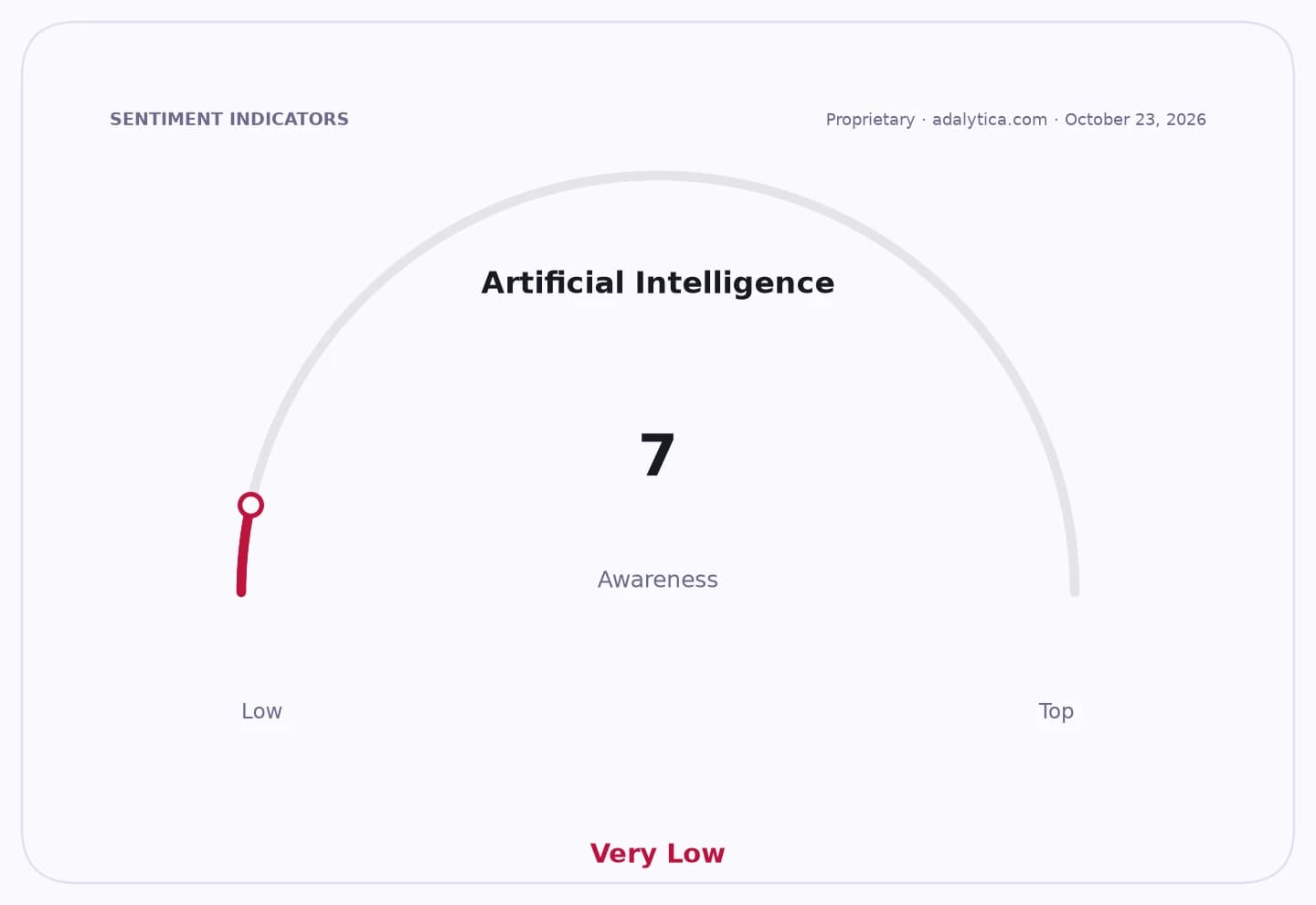
Sentiment Indicators
Officials said they learned of Uppal’s detention through unofficial channels and have yet to receive formal communication from the UAE. But the timing is notable: Uppal’s arrest follows Chandrakar’s extradition within days, suggesting investigators are tightening pressure on the syndicate’s leadership just as the case appears to be moving into its most consequential phase.
The broader economic significance is about enforcement credibility. Illegal betting is not just a law-and-order issue; it is a shadow financial system that distorts capital flows, enables tax leakage and creates channels for corruption. The ED says Uppal was central to hawala deliveries “running into hundreds of crores of rupees” and served as a key contact for politicians and bureaucrats in Chhattisgarh. If those allegations are borne out, the case could expose how illicit gambling cash seeped into political and administrative networks, a risk that matters to investors in everything from Indian consumer platforms to financial services compliance.
For markets, the immediate read-through is less about a direct listed-company impact and more about the regulatory signal. Governments across jurisdictions are moving toward tighter scrutiny of online gambling, especially where advertising, payments and user acquisition intersect with money laundering risk. That has implications for global betting operators, digital ad platforms, payment processors and banks that need stronger know-your-customer controls. The longer this probe advances, the more it reinforces a simple investor lesson: enforcement risk around online wagering is rising, and the winners are likely to be companies that can prove clean compliance, not just rapid growth.
The Mahadev investigation has already become one of India’s most closely watched financial-crime cases because it blends offshore structuring, political exposure and large-scale illicit cash movement. If Uppal is extradited and interrogated, the probe could widen further, potentially uncovering additional beneficiaries and intermediaries. For investors, the takeaway is clear: the crackdown on illegal betting is not a sideshow. It is part of a broader push by governments to reclaim control over digital-money ecosystems, and that trend will keep rewarding the compliant operators while pressuring the opaque ones.
| Entity | Gains | Losses |
|---|---|---|
| Indian enforcement agencies | ▲Stronger case momentum | ▼Limited by extradition delays |
| UAE and Oman cooperation | ▲Credibility on cross-border crime | ▼Scrutiny over enforcement pace |
| Legal gambling operators | ▲Compliance advantage | ▼Less room for illegal rivals |
| Illegal betting syndicates | ▲— | ▼Asset seizures, deeper probe |