Maharashtra plans to supply treated sewage to data centers around Mumbai as the state tries to keep a fast-growing cloud and AI infrastructure buildout from colliding with water scarcity.
Maharashtra to Supply Treated Sewage to Mumbai Data Centers
The policy matters because the Mumbai region is expected to host about 60% of the state’s data centers and those facilities are projected to need roughly 500 million liters a day of water. At the same time, municipal corporations in Mumbai, Thane, Navi Mumbai, Palghar and Kalyan-Dombivli generate 600 million to 800 million liters of sewage daily, enough to create a recycled supply stream without drawing on fresh drinking water.
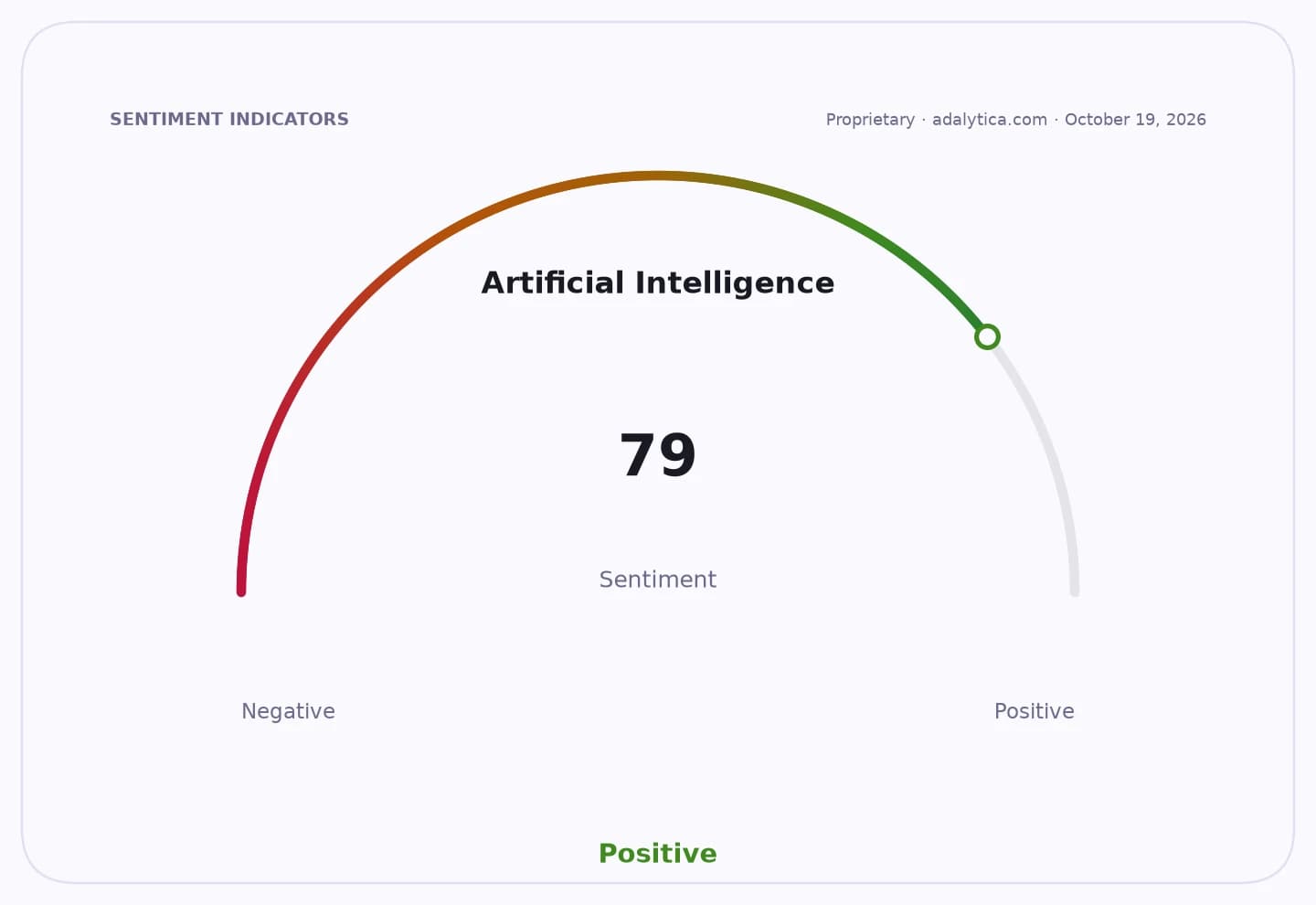
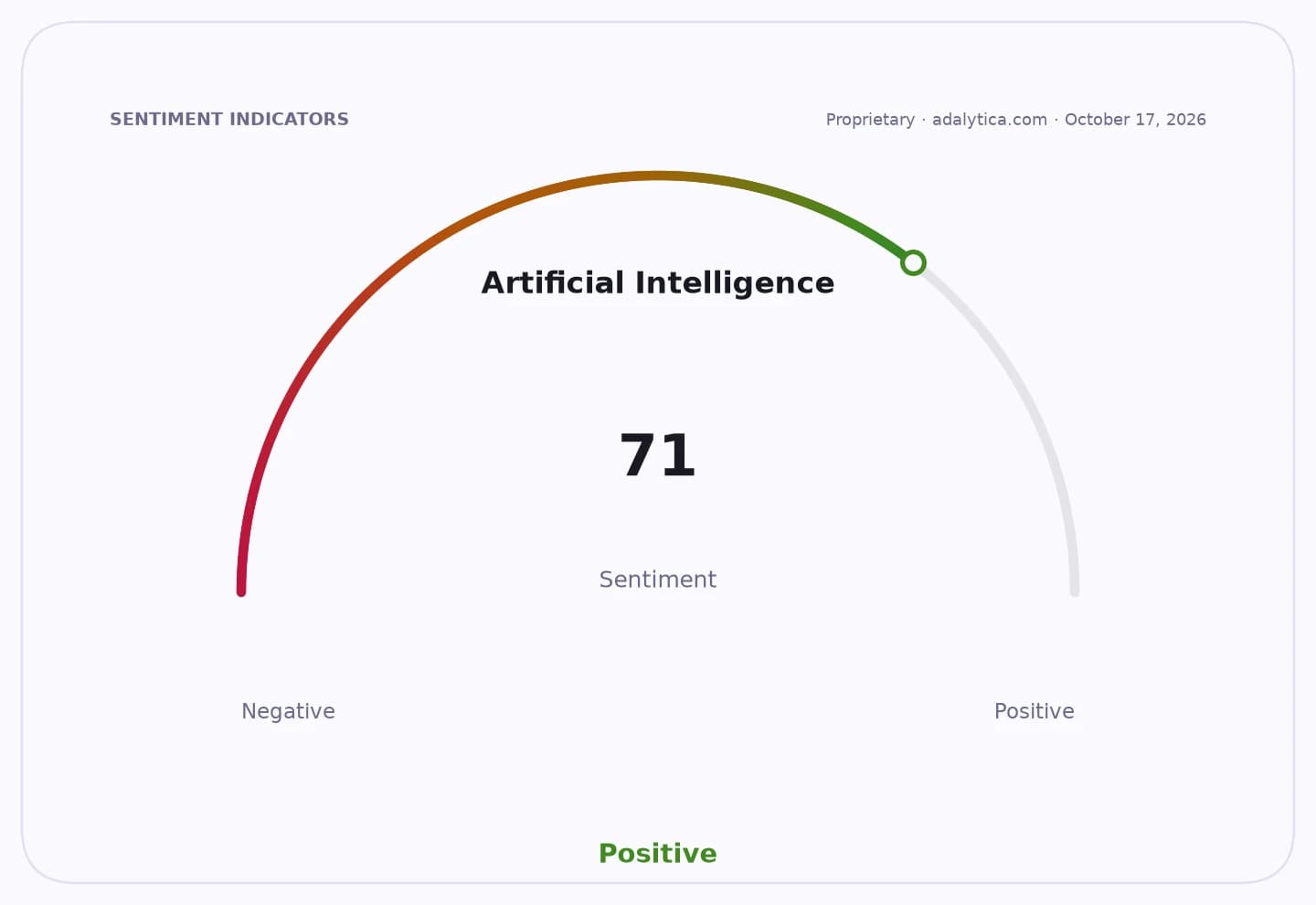
Sentiment IndicatorsⓘProprietary · adalytica.com · October 22, 2026
This is a snapshot — live sentiment, awareness and momentum for 130+ markets update continuously in the dashboard.Open AlphaPulse
That approach reduces a key operational risk for data center operators: access to water for cooling. It also helps limit the amount of untreated wastewater entering the sea, a public-health and environmental issue that has become harder to ignore as Maharashtra pushes industrial growth around Mumbai.
The government’s move comes as the state tries to attract 7 lakh crore rupees of investment over the next five to seven years and create 5 million jobs. Officials said roughly 70% of signed memorandums of understanding are expected to turn into actual investment, though they also acknowledged that project execution can lag commitments.
For investors, the decision reinforces Maharashtra’s effort to position itself as a preferred hub for data centers, electronics, artificial intelligence and other power- and water-intensive industries. The state’s pitch is that it can support large projects while rationing scarce resources, a message likely to matter to operators weighing locations for new facilities in India’s financial capital.
The policy also underscores a broader constraint on India’s digital expansion: data centers need more than land and power, they need reliable water. Microsoft has said in its latest annual filing that water availability and environmental regulation can affect infrastructure projects, while Equinix has warned that evaporative cooling in water-stressed regions can create operating and reputational risks.
Maharashtra officials said industrial water demand could still face a shortfall of around 10% at times, meaning recycled water and other local sources will remain important. The next test will be execution — whether the state can build the treatment and distribution systems fast enough to support the data center pipeline it is trying to court.
| Entity | Gains | Losses |
|---|---|---|
| Maharashtra government | ▲Investment appeal | ▼Fresh-water pressure |
| Data center operators | ▲Recycled water supply | ▼Dependence on treatment systems |
| Mumbai municipalities | ▲Lower sewage burden | ▼Extra infrastructure demands |
| Drinking-water users | ▲Priority access | ▼Industrial water allocation |