Manchester City is using artificial intelligence to reshape its academy, a move aimed at producing a homegrown Ballon d'Or winner and tightening the pipeline to Pep Guardiola’s first team.
Manchester City uses AI in academy development
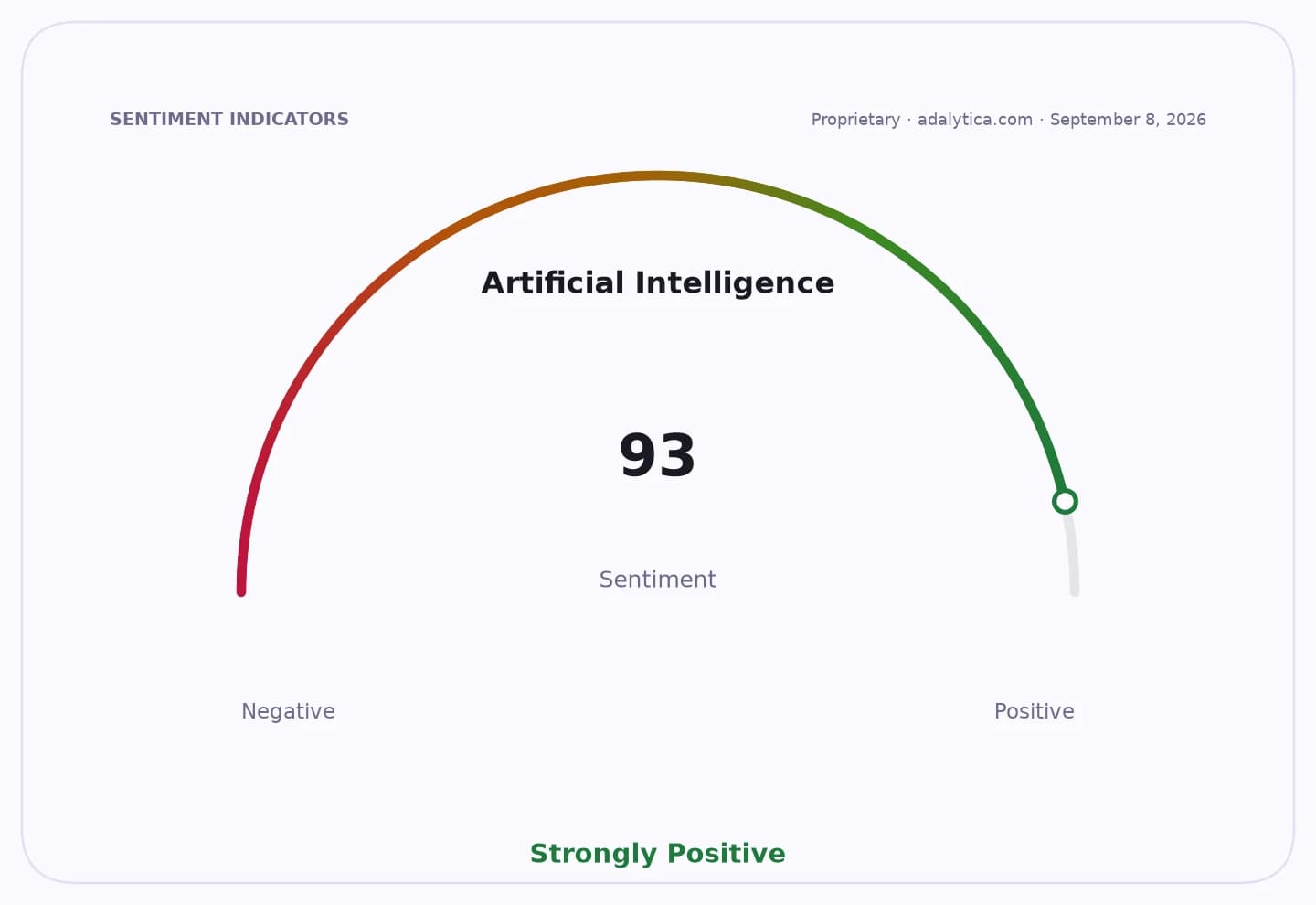
The club’s “Future Player 2.0” program is in pilot phase and tracks promising youth players against position-specific benchmarks, with data compared against standards set by first-team players. City says the system is designed to identify the final 5% to 10% of development that separates elite prospects from senior-level players, while giving youngsters clearer ownership of their progress.
For investors and football operators, the significance is less about the branding than the economics: elite clubs are under pressure to extract more value from academies as transfer fees rise and competition for top talent intensifies. If the model works, City can reduce reliance on the transfer market, improve squad depth at lower cost and protect itself against the premium demanded for ready-made stars.
Academy director Thomas Krucken said the project reflects a need to “keep pace” in an increasingly competitive market. City is building the tool with an external technology partner, while club staff handle football analysis and define the key performance indicators for each position on the pitch.
The approach is also meant to make development more transparent. Players are shown where they stand relative to first-team requirements, including examples such as 18-year-old winger Ryan McAidoo, now in Maresca’s squad. Krucken said the point is to show the gap between prospects and established players like Jérémy Doku, then use limited training time more efficiently.
That matters because the academy has long been criticized for producing players who left before breaking through at City, including Cole Palmer, Morgan Rogers, Romeo Lavia, Brahim Díaz and others. The current senior squad suggests a shift, with homegrown names such as Phil Foden, Rico Lewis, Nico O’Reilly and McAidoo now closer to the core pathway.
The broader narrative is that City is trying to industrialize player development the way it has optimized recruitment and on-field tactics. The next test is whether “Future Player 2.0” turns data into first-team minutes — and eventually into a rare academy-produced global star.
| Entity | Gains | Losses |
|---|---|---|
| Manchester City | ▲cheaper elite talent pipeline | ▼higher short-term development costs |
| Academy prospects | ▲clearer benchmarks and feedback | ▼tougher standards to reach first team |
| Rival clubs | ▲pressure to modernize academies | ▼lose edge in youth development race |
| Transfer market | ▲less demand for bought-in stars | ▼fewer premium sales from City’s needs |