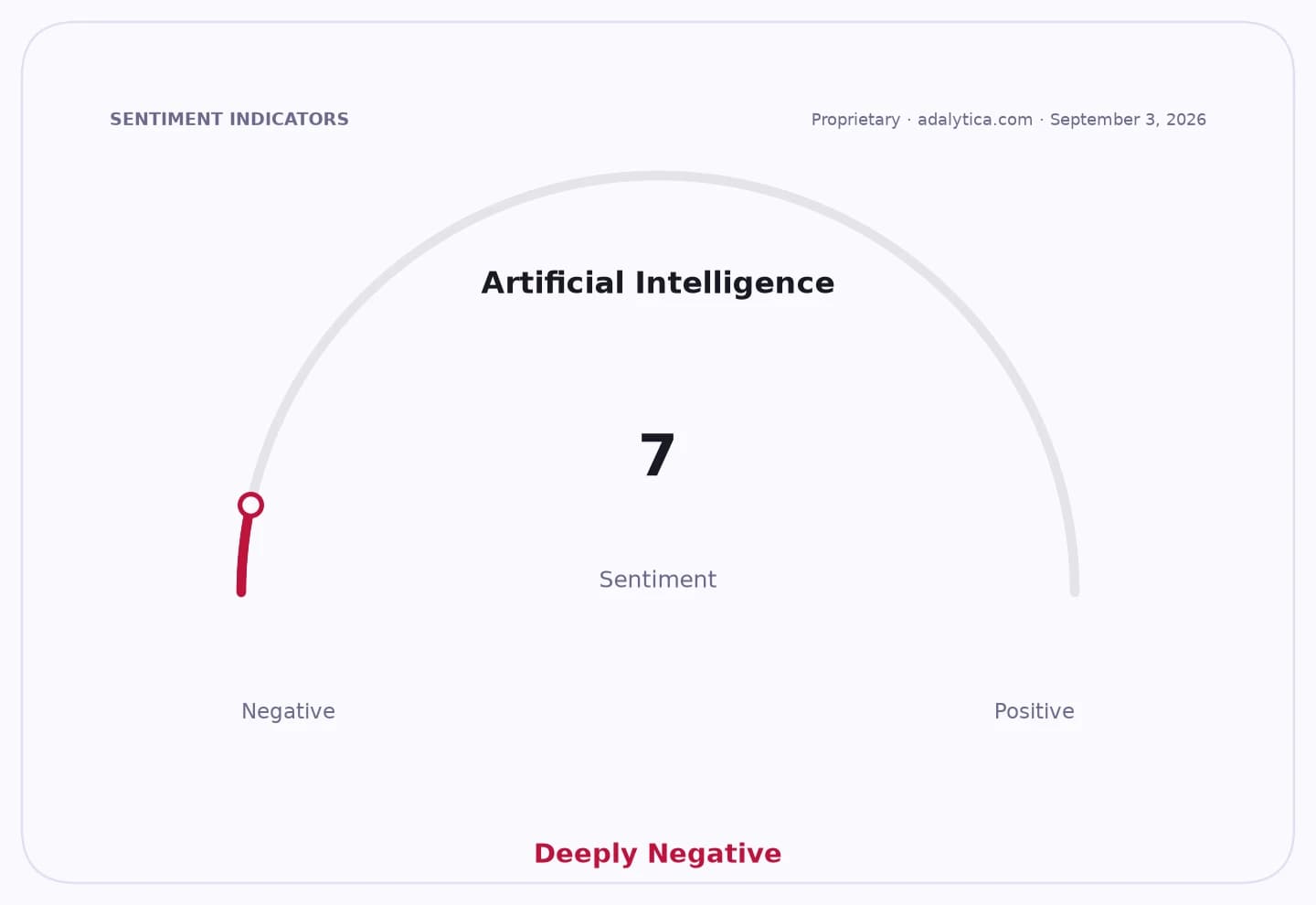
DraftKings is under a new cloud of scrutiny after a New York Times investigation alleged the sportsbook uses artificial intelligence to identify gamblers most likely to lose and steer promotions toward them, a tactic that could invite tougher regulation just as the company’s stock has been under heavy pressure.
DraftKings Faces Scrutiny Over AI Marketing Allegations

That matters because online betting is a business built on engagement, marketing efficiency and customer retention. If DraftKings is using AI to squeeze more value out of vulnerable users, the immediate economic benefit may be higher betting volume and better promotional return on investment. But the longer-term cost could be far bigger: reputational damage, legal risk, and a fresh wave of oversight in an industry that already depends on states and regulators to keep expanding legalized gambling.
For investors, the issue goes well beyond a single headline. DraftKings has spent years telling Wall Street it can scale through better data science, sharper merchandising and more efficient marketing. In fact, its filings say it has invested heavily in technology to improve marketing and operational efficiency through data science. That is a standard and legitimate edge in digital gambling. The problem is that the line between personalization and predation can be politically explosive, especially if the company is seen as targeting customers who are already losing.
The market has already been warning investors that DraftKings is far from risk-free. The stock has fallen to around $21.27 from $35.98 in early January, a brutal reset that leaves it well below its 50-day moving average of about $24.02 and its 200-day moving average of roughly $26.18. The recent drop has also pushed the RSI into deeply oversold territory near 24.7, a sign of how aggressively traders have abandoned the name. Shares in rival Rush Street Interactive have also been hit hard, while Penn Entertainment has been volatile but more resilient. In other words, the whole sector is being priced as if regulatory and execution risk are rising, not falling.
That is why this story matters even if the allegations are still just that — allegations. Sports betting is still a growth market, and the best operators will keep trying to use AI to improve customer acquisition and lifetime value. But the winners over the next five to 10 years will be the companies that can do that without triggering a public backlash or a crackdown that shrinks their addressable market. If regulators decide AI is being used to exploit problem gamblers, DraftKings could face compliance costs, tighter rules on promotions and another blow to investor confidence.
For long-term investors, the takeaway is simple: DraftKings remains a high-upside, high-risk name, but this kind of controversy is exactly why position sizing and diversification matter. If you own it, watch how management responds, because the next catalyst may not be product growth — it may be the company’s ability to prove it can use technology responsibly. That will be worth watching closely.
| Entity | Gains | Losses |
|---|---|---|
| DraftKings | ▲Better promo efficiency | ▼Regulatory scrutiny |
| Problem gamblers | ▲None | ▼More targeted offers |
| Regulators | ▲Stronger oversight case | ▼Less industry flexibility |
| Competitors | ▲Relative share if DKNG stumbles | ▼Sector-wide backlash |