Manchester United’s debt load and mounting interest costs have returned to the center of the football-finance debate after Manchester City’s latest ruling sharpened scrutiny of how elite English clubs are funded.
Manchester United debt and interest costs rise
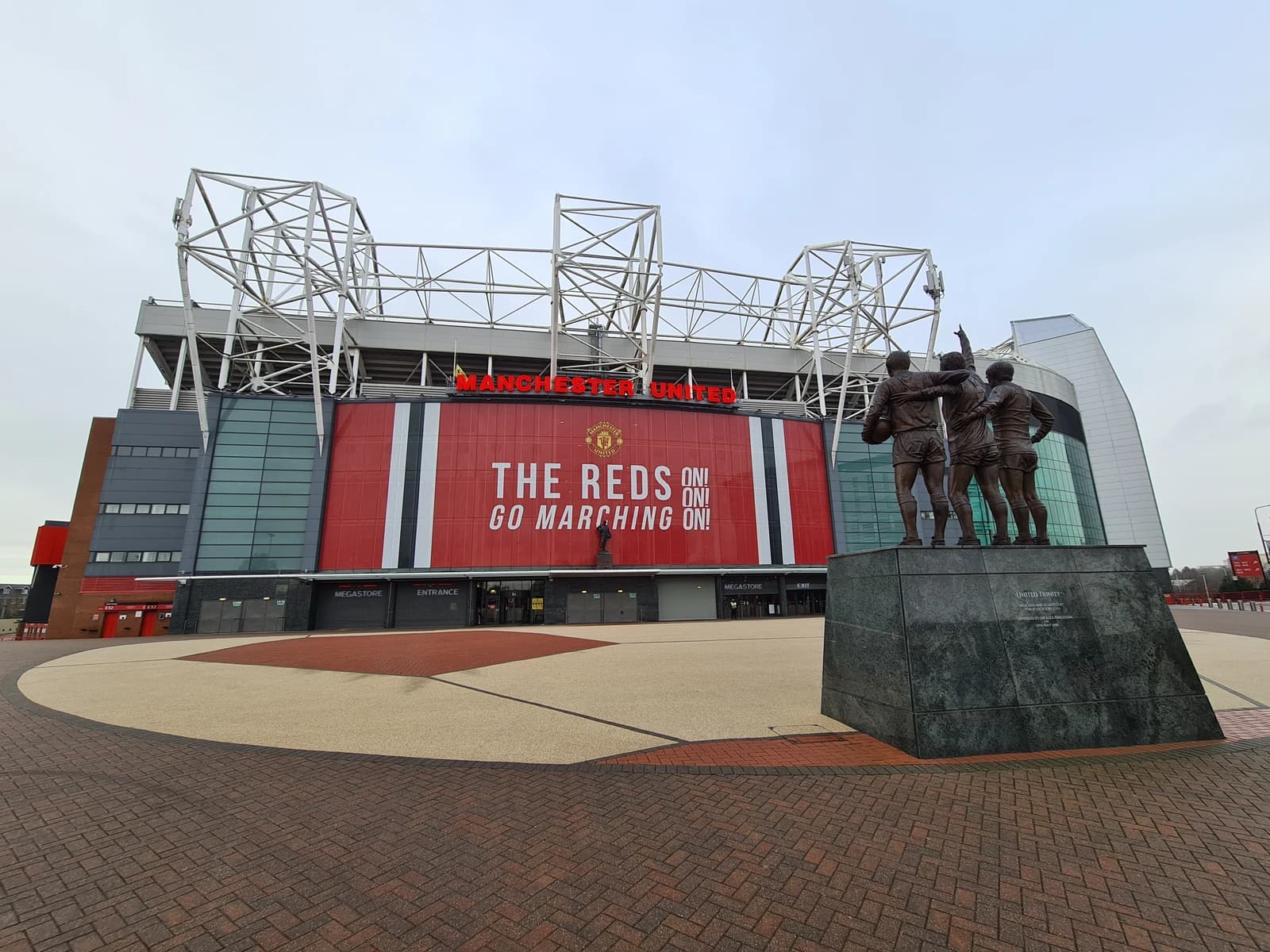
The immediate significance is not City’s case itself, but the way it has forced a comparison with United’s own balance sheet. According to figures highlighted by the BBC and football finance blogger Swiss Ramble, United have paid an estimated £852 million in net interest since the Glazer family’s leveraged takeover in 2005, while total debt has climbed to £1.15 billion after another £90 million of borrowing. For a club that generated record revenue of £677.6 million, the scale of financing costs underlines how much cash is being diverted away from squad investment, stadium plans and operating flexibility.
That matters economically because football clubs do not operate like ordinary consumer brands: their earnings are highly cyclical, tied to on-pitch performance, European qualification and commercial deals that can weaken quickly if results disappoint. United said it paid £37 million in interest in the latest year, up from £34 million, even as it projected revenue of as much as £760 million for 2026-27. But higher revenue has not prevented leverage from rising. The club’s accounts also show £375 million of transfer debt, with £218 million due before June 30, 2027, and another £122.8 million in potential contract payments if performance targets are met.
For investors, that creates a more constrained equity story. Manchester United’s New York-listed shares are exposed to both sporting volatility and capital-structure risk, and the numbers show why financing decisions matter as much as match-day results. The club has already added $125 million to its main debt through a refinancing in June, while also committing £63.5 million to land for a proposed new stadium whose funding model is still unclear. That combination leaves less room to absorb a poor season, higher player wages or a weak transfer window without pressure on margins and cash flow.
The City ruling has intensified the narrative because it places two very different ownership models side by side. Manchester City’s case is about alleged income inflation; United’s problem is more basic and more durable: a balance sheet burden built up over two decades of leveraged ownership. In June 2023, Premier League clubs voted to cap future leveraged buyouts at around 65% of a club’s value, a sign the wider industry is more wary of debt than it was when the Glazers bought United.
The club can still lean on its commercial strength. United said recent revenue growth and cost discipline keep it on a “right trajectory,” and its shirt deal with Adidas gives it an incentive to reach the Champions League. That remains crucial: the club received about £80 million for reaching the Champions League quarter-finals in 2017-18, versus £31 million for making the Europa League final in 2024-25, and it faces a £10 million annual reduction in its shirt deal if it misses out on Europe’s top competition.
But that is also the bear case. If United continue outside the Champions League, prize-money, sponsorship and competitive cash generation all come under strain just as debt service, transfer commitments and stadium spending remain elevated. The City saga may eventually reshape governance across English football, but for United the more immediate issue is simpler: the club’s debt burden is already large enough to limit strategic freedom, and every missed season makes it harder to reduce.
| Entity | Gains | Losses |
|---|---|---|
| Manchester United shareholders | ▲Revenue growth narrative | ▼Debt burden, interest costs |
| Manchester United owners | ▲Commercial leverage | ▼Fan pressure, financing scrutiny |
| Premier League regulators | ▲Tighter ownership oversight | ▼Less flexibility for club financing |
| Champions League qualification | ▲Higher prize money | ▼Clubs missing Europe’s top tier |