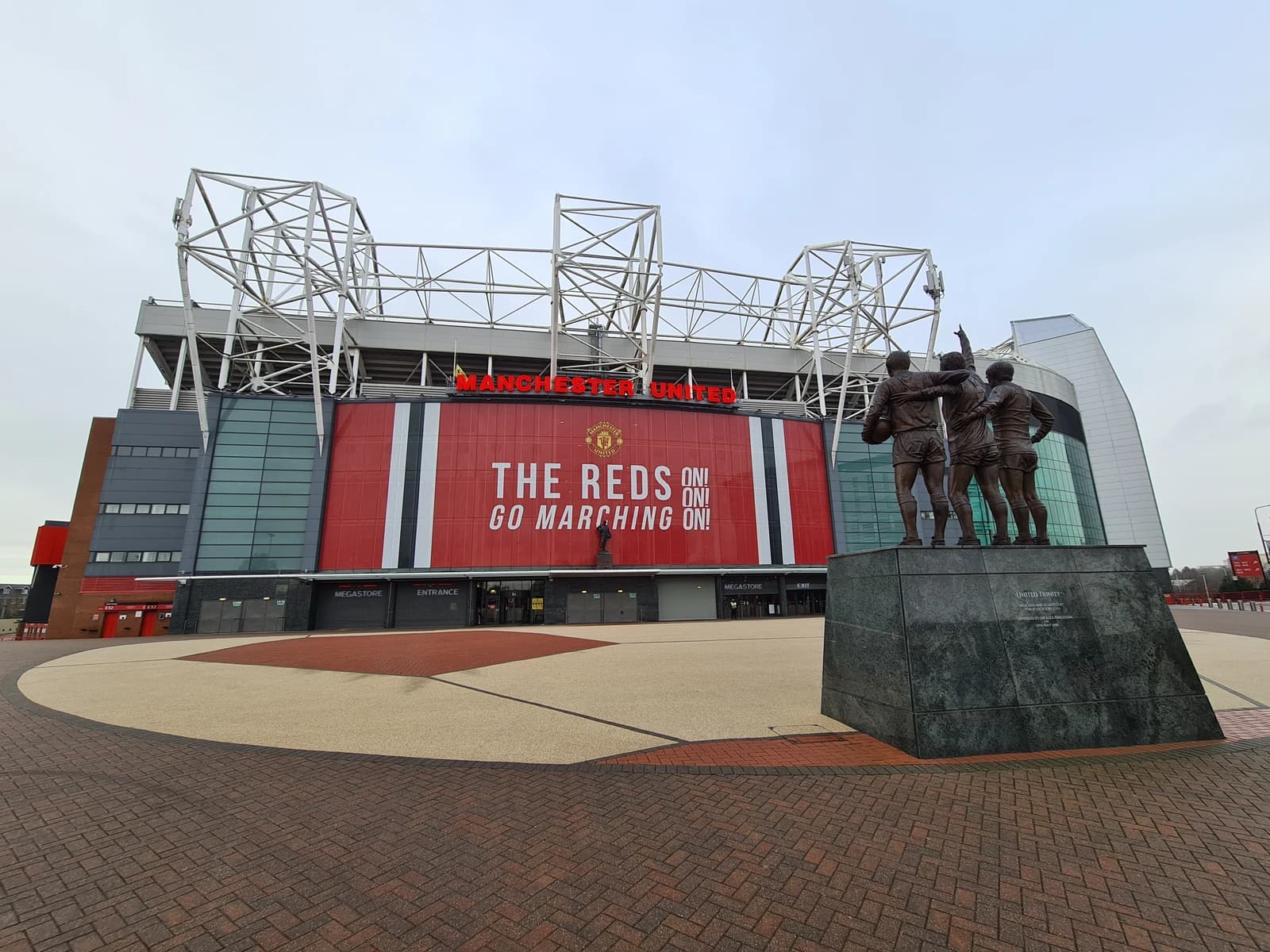
Manchester United posted record annual revenue of £677.6 million even as long-term borrowings climbed to £577.6 million, underscoring how the club’s commercial machine can still outpace pressure from higher financing costs, weaker sponsorship income and a net loss that widened to £43 million.
Manchester United revenue hits record £677.6 million
The numbers matter because they show the Premier League side remains a powerful cash-generating business, but one still weighed down by leverage. United’s operating profit swung to £22.6 million, helped by structural cost cuts, yet the club’s debt burden continued to rise after June refinancing and changing interest rates pushed non-current borrowings up from £471.9 million a year earlier.
Sentiment IndicatorsⓘProprietary · adalytica.com · September 28, 2026
This is a snapshot — live sentiment, awareness and momentum for 130+ markets update continuously in the dashboard.Open AlphaPulse
For investors in Manchester United’s listed shares, the latest accounts are a reminder that revenue records do not automatically translate into bottom-line strength. The stock has been volatile around the low $20s, with recent trading below both the 50-day and 200-day moving averages and a weaker RSI reading, reflecting caution even as the club’s top line improves.
Broadcasting income rose by £33.9 million after a third-place Premier League finish, helping offset the hit from no European football and the absence of the training kit sponsor, while commercial revenue fell £16 million and matchday income slipped £6.8 million because the club hosted 10 fewer games at Old Trafford. The revolving credit facility also stood at £110 million at the end of June, highlighting ongoing short-term funding needs.
The broader takeaway is that Manchester United’s business can still produce record sales, but its financial flexibility remains constrained by debt service and uneven revenue streams. The next catalyst for shareholders will be whether stronger on-pitch performance and sponsorship recovery can keep earnings improving while leverage stabilizes.
| Entity | Gains | Losses |
|---|---|---|
| Manchester United | ▲Record revenue | ▼Higher debt burden |
| Equity holders | ▲Stronger operating profit | ▼Ongoing leverage risk |
| Creditors | ▲Interest income | ▼Refinancing exposure |
| Rival clubs | ▲Lower competitive pressure from United’s finances | ▼Better-funded United if sponsorships recover |