Manulife US Real Estate Investment Trust has reached a proposed deal with lenders that could let it end a three-year debt restructuring and restart payouts to unitholders, a key step for a trust that has been under pressure from weak office valuations and elevated leverage.
Manulife US REIT nears debt deal, payout restart

The agreement matters because it gives MUST breathing room on debt maturities and covenant terms at a time when commercial real estate financing remains tight. By extending loans by about 12 to 18 months and lowering the minimum bank interest coverage ratio to 1.5 times from two times, the trust reduces near-term refinancing risk and improves the odds that it can restore distributions after an asset sale.
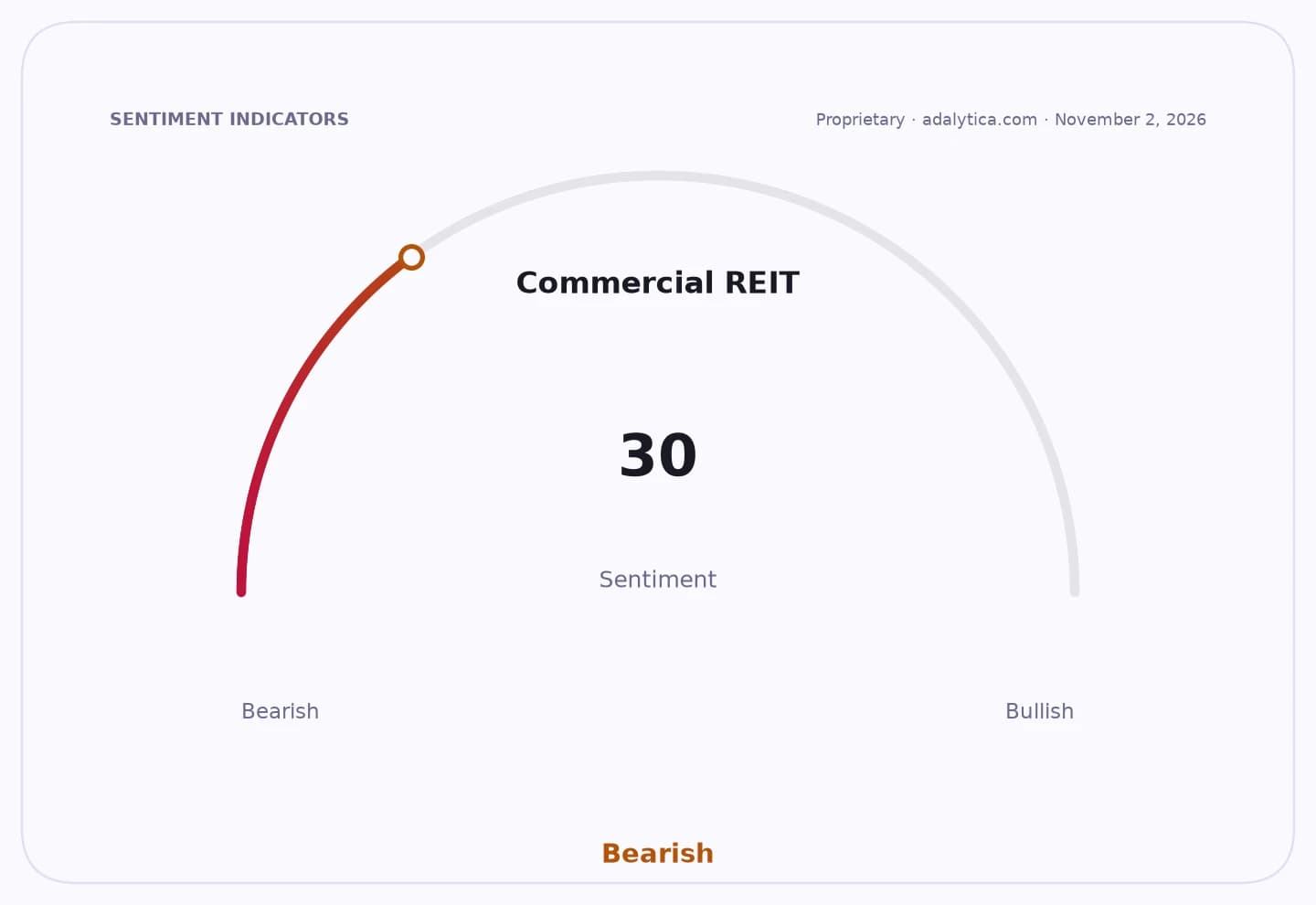
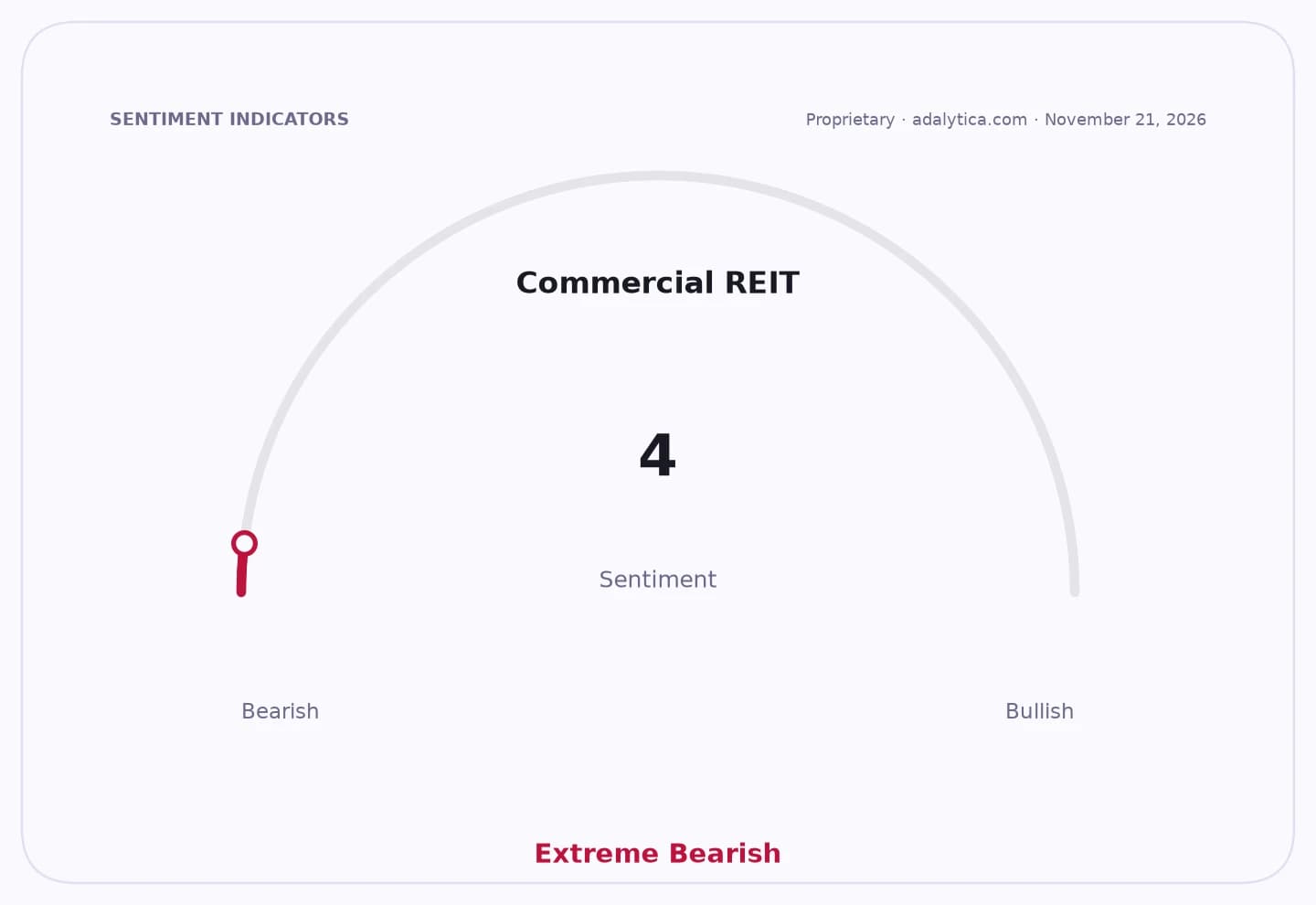
Sentiment Indicators
Commercial REIT
Unitholders will vote on Dec. 15 on three resolutions that would renew MUST’s ability to sell properties and buy fresh assets, while also amending its trust deed to give the manager discretion over how much and how often it pays distributions. If lenders approve the joint facilities agreement, annual payouts would initially be capped at the lower of 20% of annual distributable income or US$3 million until all existing loans are repaid or refinanced.
The trust’s debt load has already fallen sharply, to US$487 million at Sept. 30 from US$1.03 billion in June 2023, but leverage remains high at 54%, the manager said. Portfolio valuations have dropped about 19% over the period, lengthening the deleveraging process and underscoring how higher rates and weaker US office values have squeezed REIT balance sheets.
The proposed deal would also widen MUST’s strategic flexibility. It could sell up to four properties for as much as US$525 million in net proceeds, up from a previous cap of US$350 million, and use surplus cash for acquisitions or other purposes. A renewed acquisition mandate would allow purchases of industrial, living-sector and retail assets in the US and Canada, with total agreed property value capped at US$600 million.
For investors, the immediate appeal is survival and income restoration rather than growth. MUST said it would use US$28 million of available cash to partially repay loans due in 2027 and 2028, while aiming to cut leverage below 35% once all loans except the sponsor-lender loan are repaid.
The next test is shareholder approval at the extraordinary general meeting and final lender sign-off. If either side balks, the trust’s recovery plan loses momentum and distributions remain constrained.
| Entity | Gains | Losses |
|---|---|---|
| MUST unitholders | ▲Prospects of resumed payouts | ▼Limited near-term yield |
| Lenders | ▲Better repayment visibility | ▼Weaker covenant protections |
| Manulife US Reit manager | ▲Flexibility to delever and recycle capital | ▼Pressure to execute asset sales |
| Potential buyers/sellers of US REIT assets | ▲More transaction flow | ▼Office-sector valuation risk |